


Green Schoolyards Action Agenda
Increasing equitable access to nature’s benefits in schoolyards across the U.S.
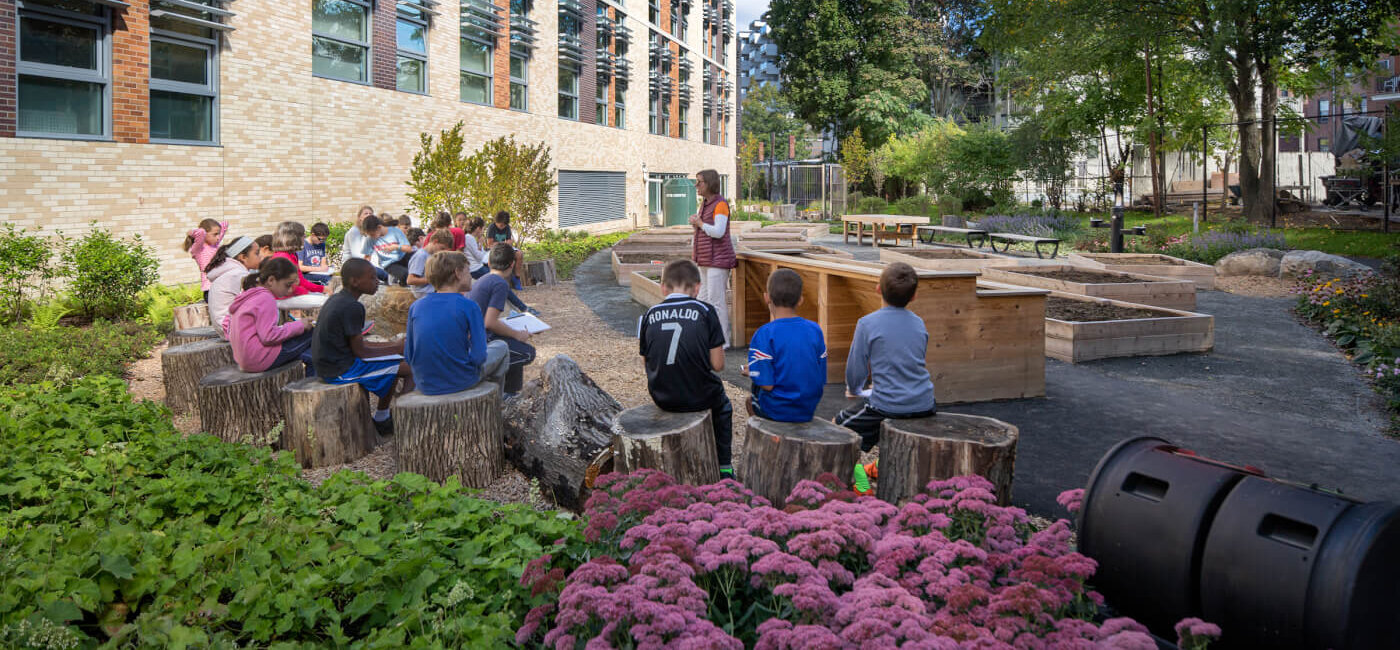 Florida Ruffin Ridley School, Brookline, MA. Photo: Ed Wonsek
The Green Schoolyards Action Agenda was co-developed by hundreds of experts and movement leaders. The 2026 “refresh,” led by the Children & Nature Network in partnership with Trust for Public Land and KABOOM!, updates the original 2017 Action Agenda. The goals set in the Action Agenda advance through the ongoing work of visionary and dedicated leaders across the field.
All U.S. communities offer access to green schoolyards by 2050 to promote children’s healthy development, community well-being and positive environmental impacts.
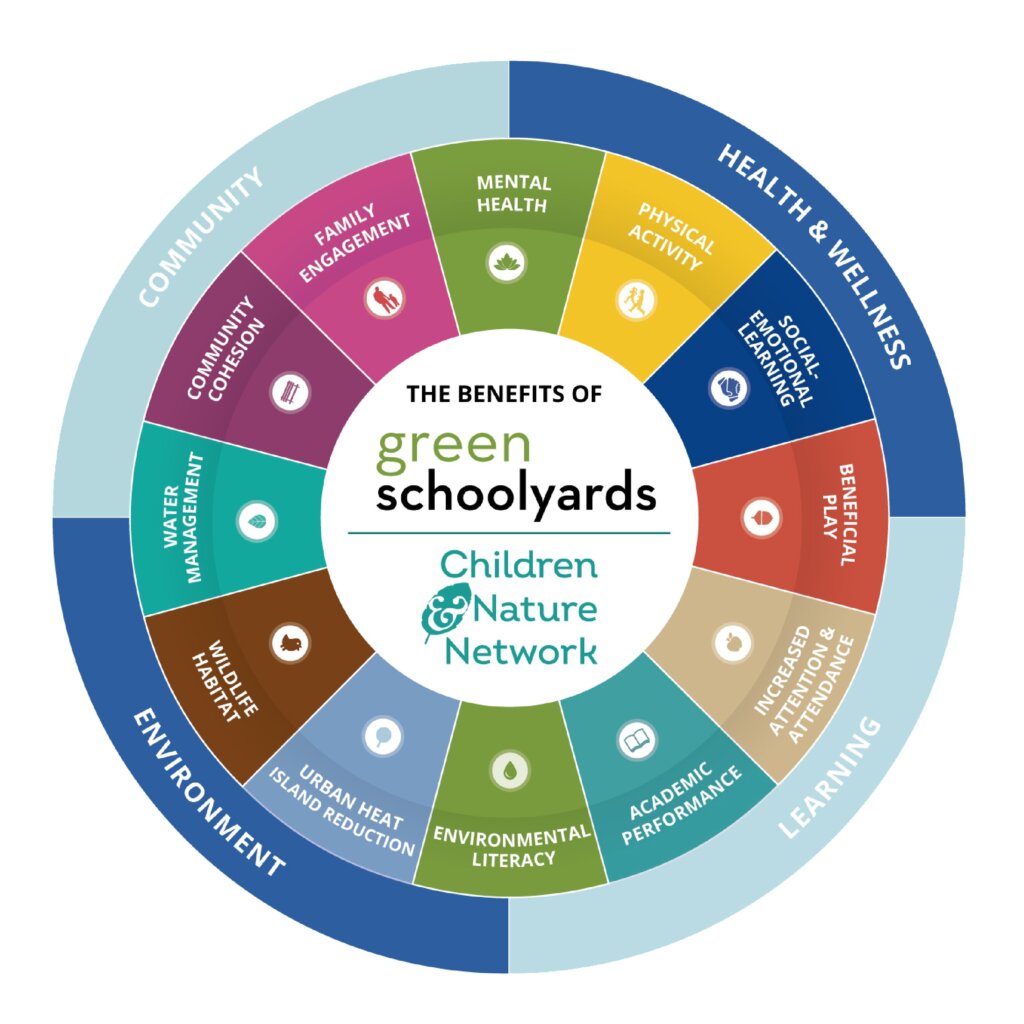
A growing body of evidence shows that time spent learning and playing in nature helps children reach their full academic and social-emotional potential. Regular access to high quality green space improves learning, mental and physical health, fosters community cohesion and sense of belonging—inspires strong connections to the natural world (1).
While only a small percentage of U.S. schools currently offer nature-filled outdoor spaces, many communities are pursuing green schoolyards as a strategy for increasing educational and health equity, climate resilience, and enhancing quality of life. The number of green schoolyards is growing as communities mobilize to transform asphalt and turf grass into enriching outdoor areas where children and families can learn, play and grow both during and outside of school time.
 “Every child deserves access to learning spaces that spark curiosity and joy. Green schoolyards transform ordinary grounds into dynamic environments where students learn, play, and thrive — surrounded by nature. These spaces align with our state education goals in multiple ways, including supporting the health and wellness of our students.”
Dr. Glenn Maleyko, State Superintendent, Michigan Department of Education
Green schoolyards are known by many names across a broad and diverse field: living schoolyards, community schoolyards, blue-green schoolyards and others. Green schoolyards are nature-filled, climate resilient school grounds designed by and for the entire community.
Green schoolyards include features such as:
- Outdoor classrooms
- Native and pollinator gardens
- Nature play and exploration areas
- Edible gardens, farms, and livestock
- Trails and walking paths
- Forests, groves, trees, and shrubs
- Resilient infrastructure to manage stormwater, provide shade, and cool surfaces
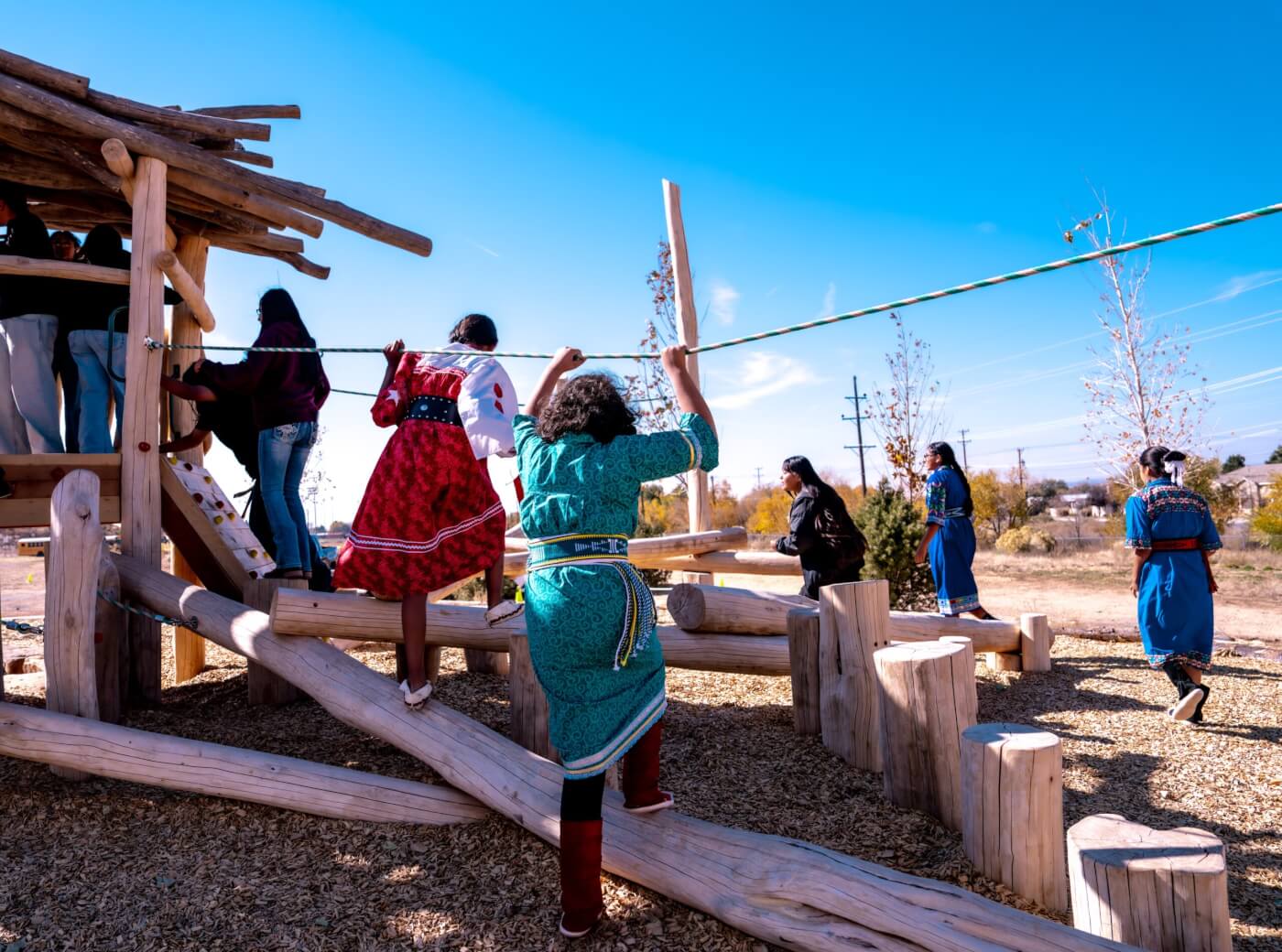
Santa Fe Indian School, Santa Fe, NM. Photo: Thomas Lovato, courtesy of Trust for Public Land
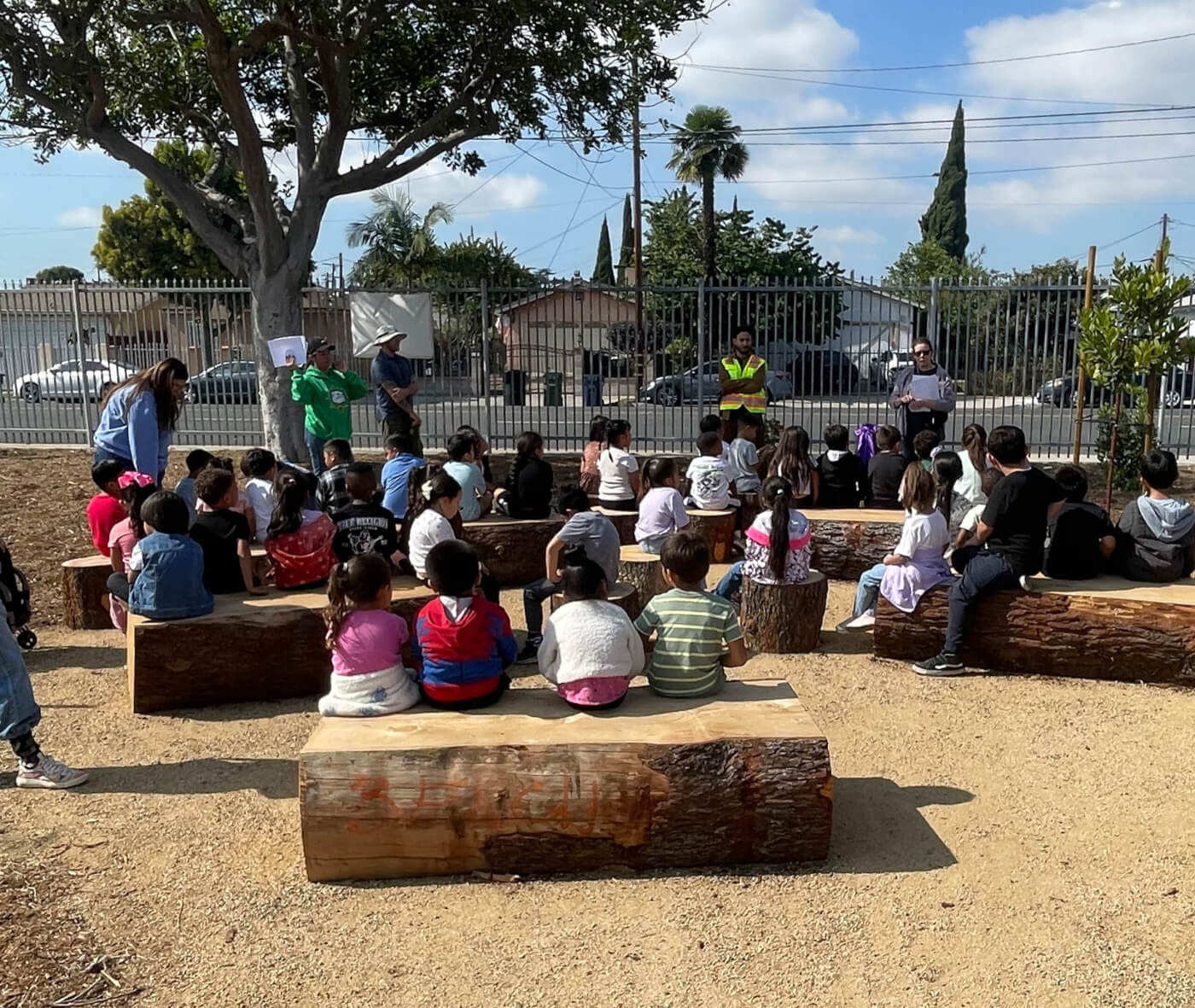
Outdoor classroom, 122nd St Elementary School, Los Angeles, CA. Photo: Mikaela Randolph, Green Schoolyards America
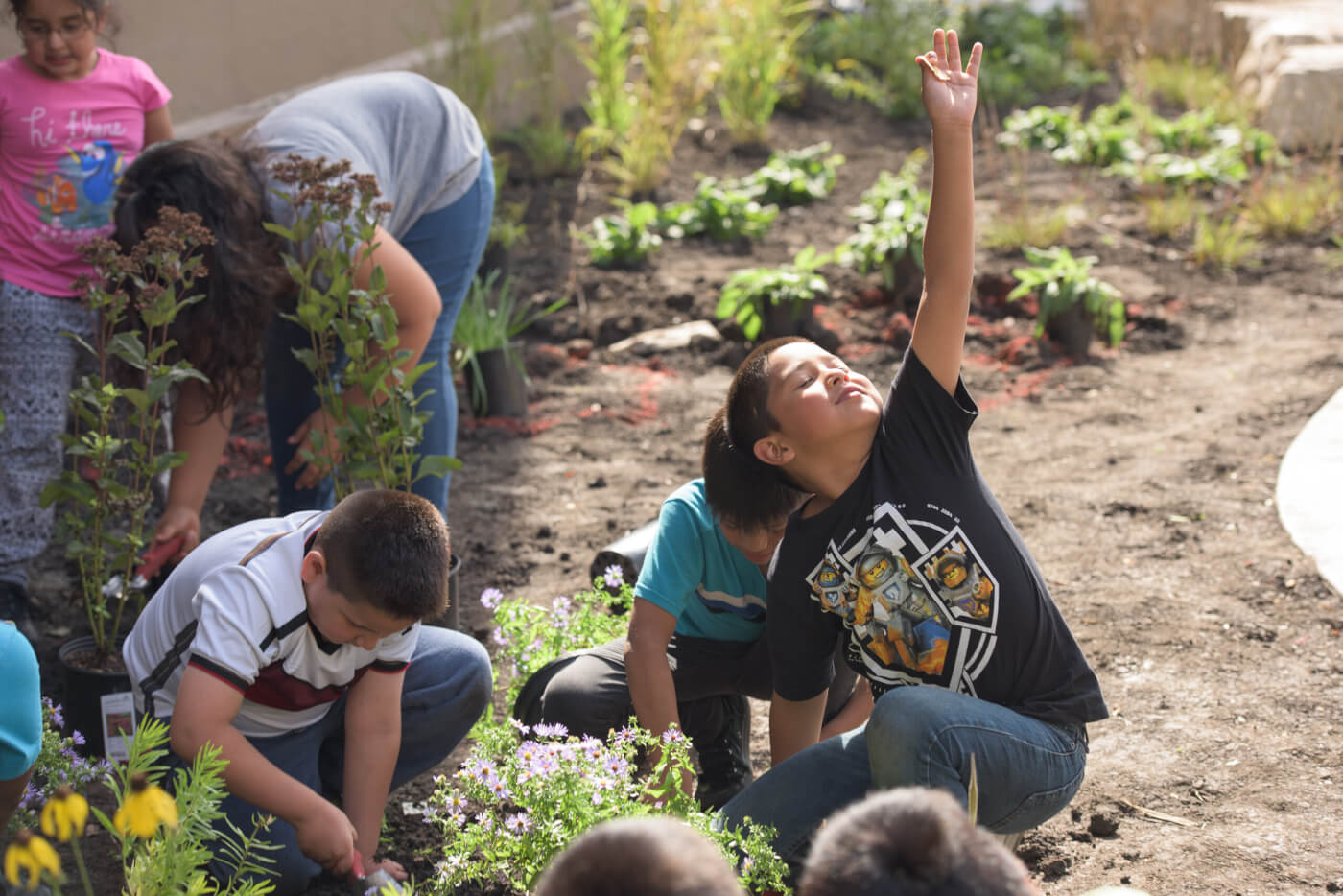
Native and pollinator gardens, Corkery Elementary School, Chicago, IL. Photo: Space to Grow
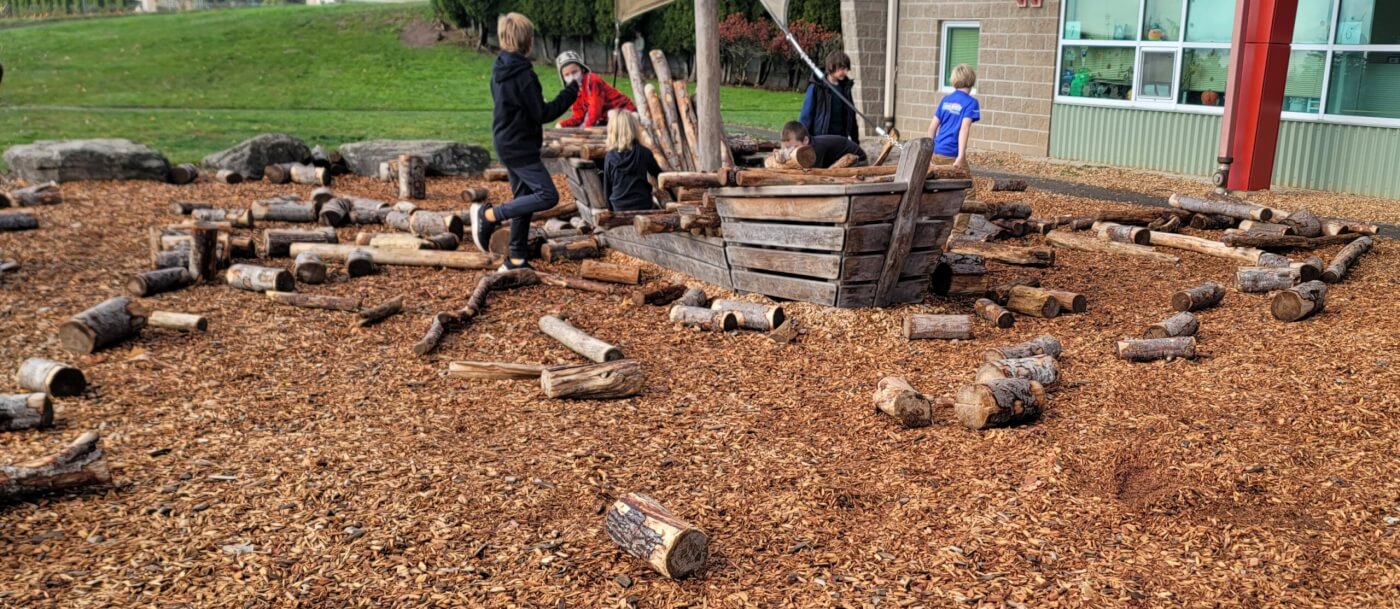
Nature play and exploration areas, Prune Hill Elementary, Camas, WA. Photo: Jane Tesner Kleiner
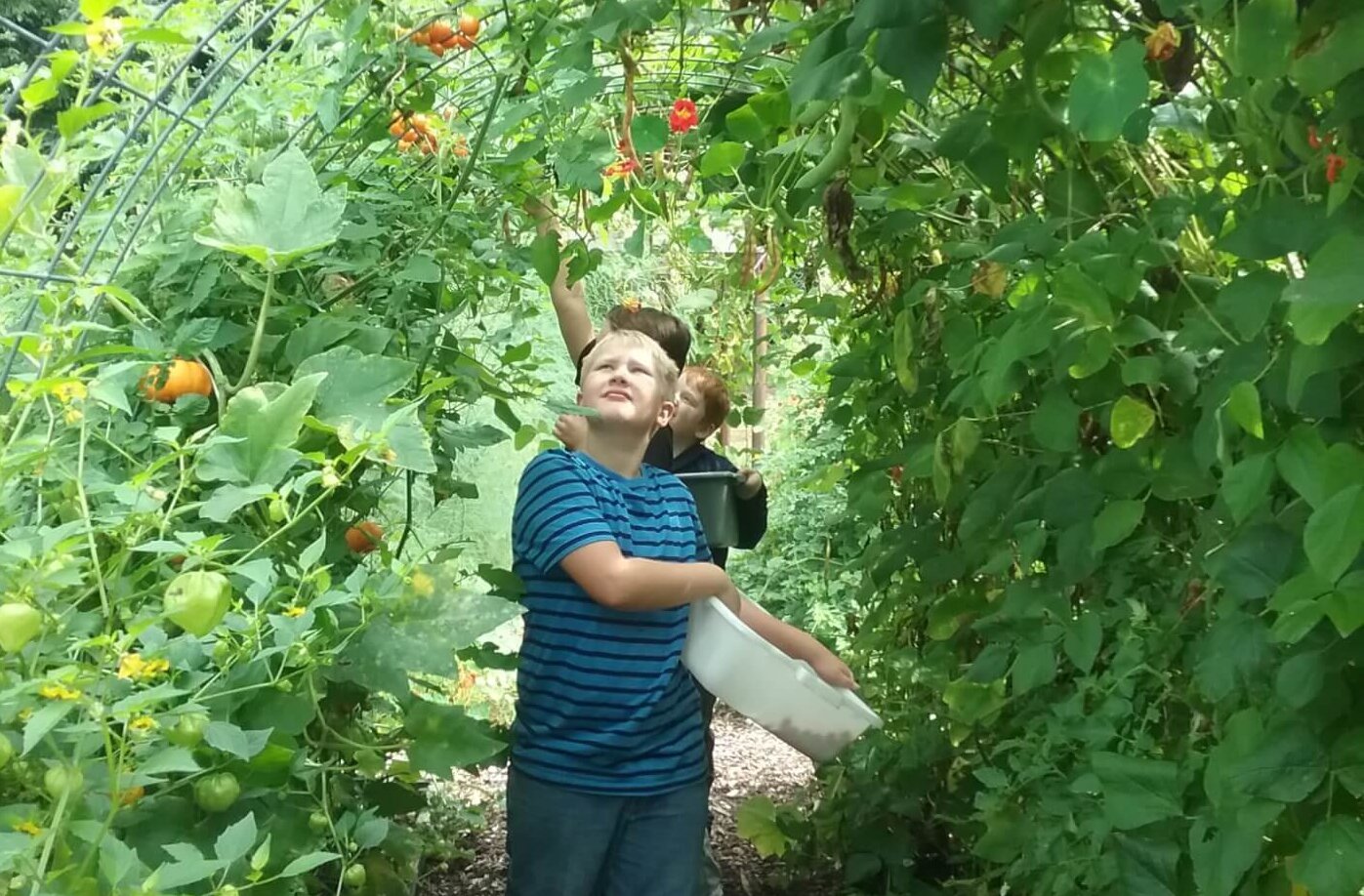
Edible gardens, farms, and livestock, Carrolls Elementary, Kelso, WA. Photo: Lower Columbia School Gardens
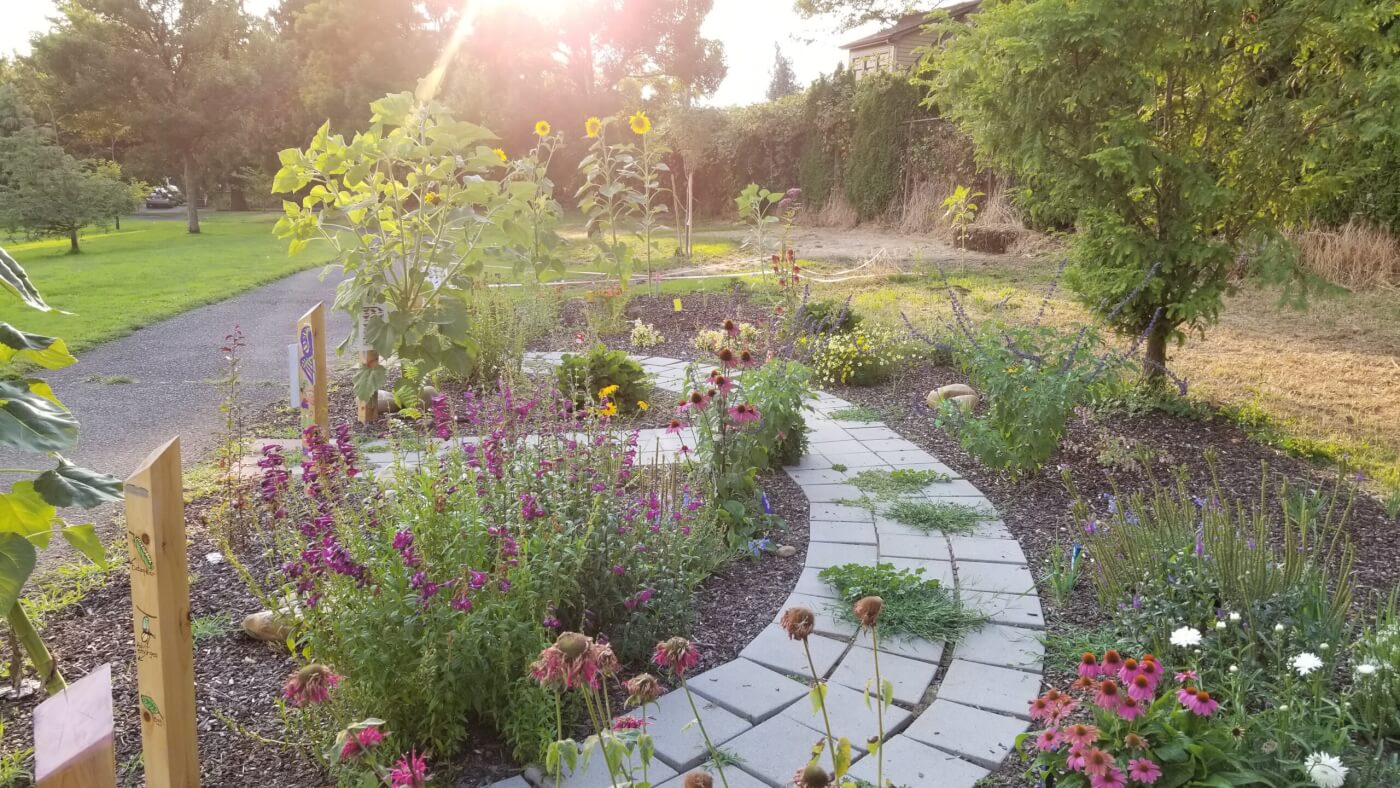
Trails and walking paths, Hough Elementary School, Vancouver, WA. Photo: Jane Tesner Kleiner
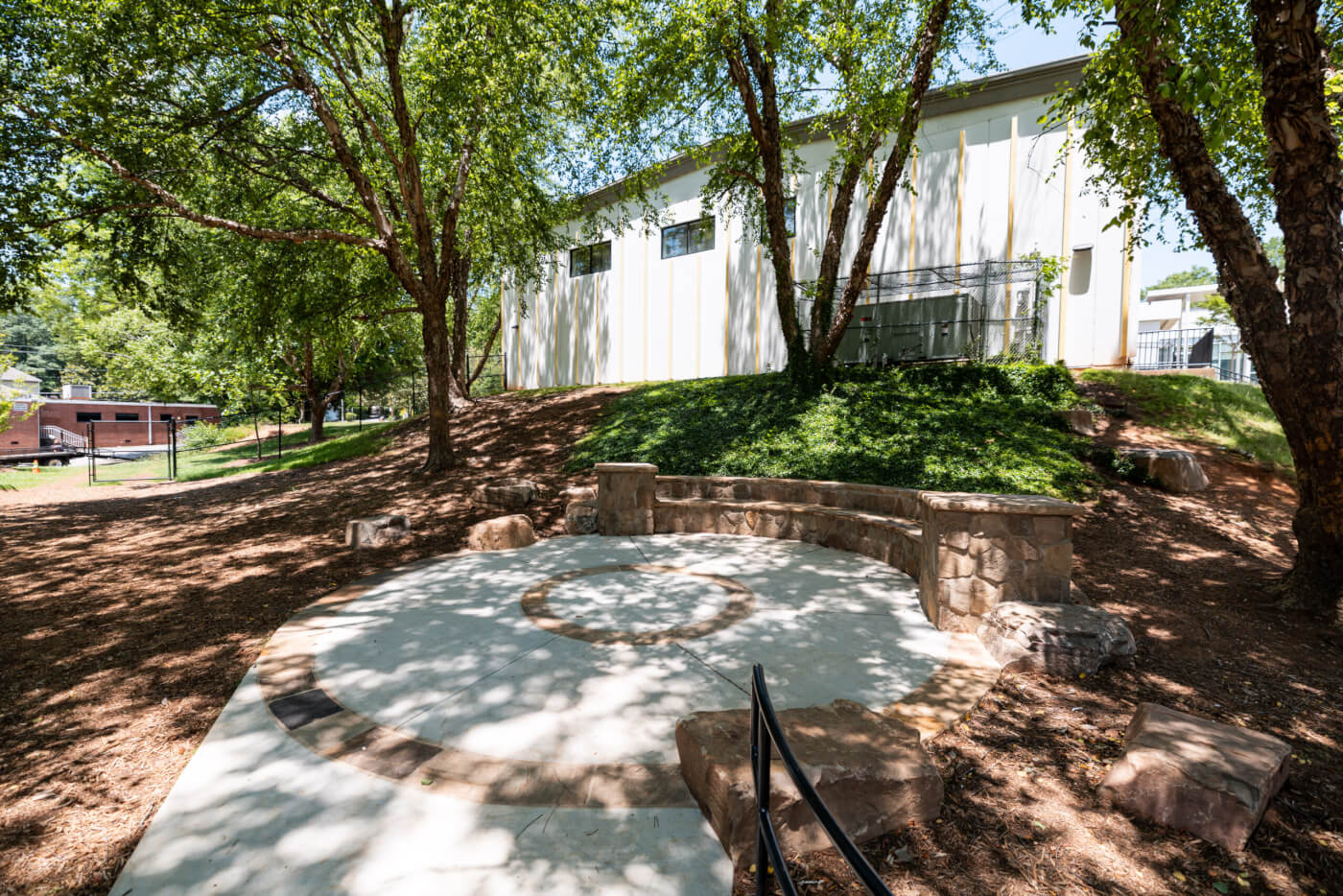
Forests, groves, trees and shrubs, Toomer Elementary, Atlanta, GA. Photo: Atlanta Community School Parks
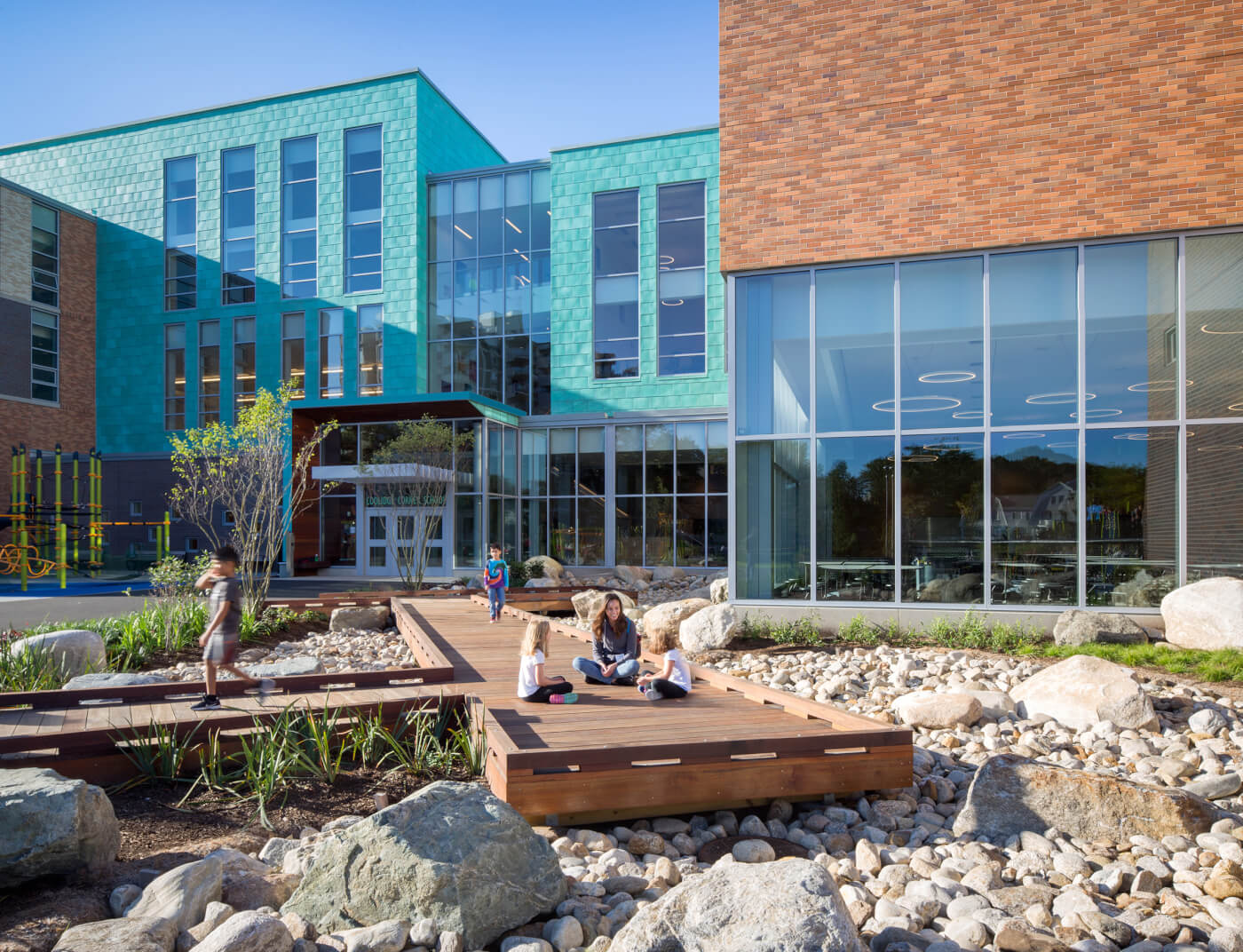
Resilient infrastructure, Florida Ruffin Ridley School, Brookline, MA. Photo: Ed Wonsek
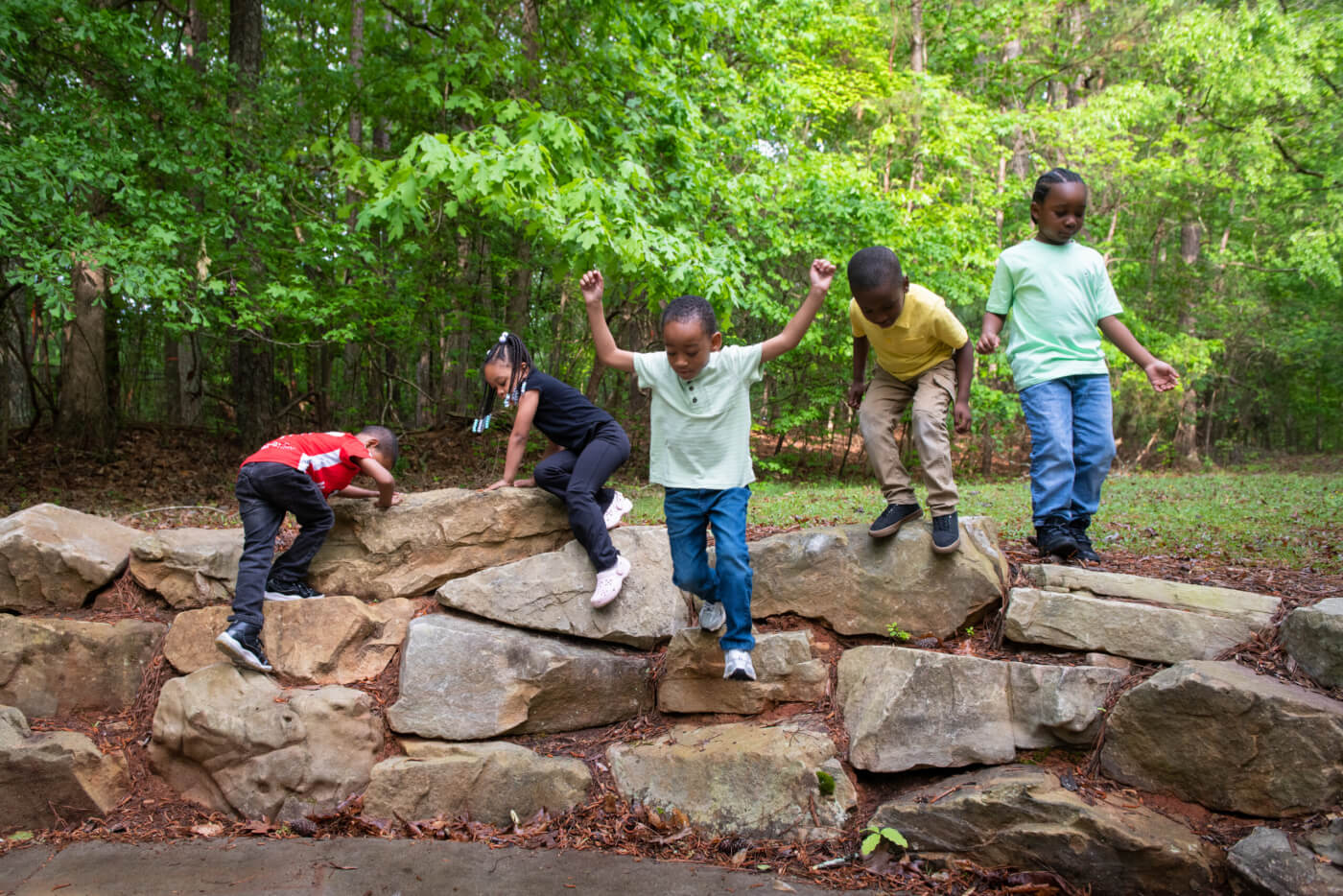
Miles Elementary, Atlanta, GA. Photo: Leah Overstreet, courtesy of Trust for Public Land
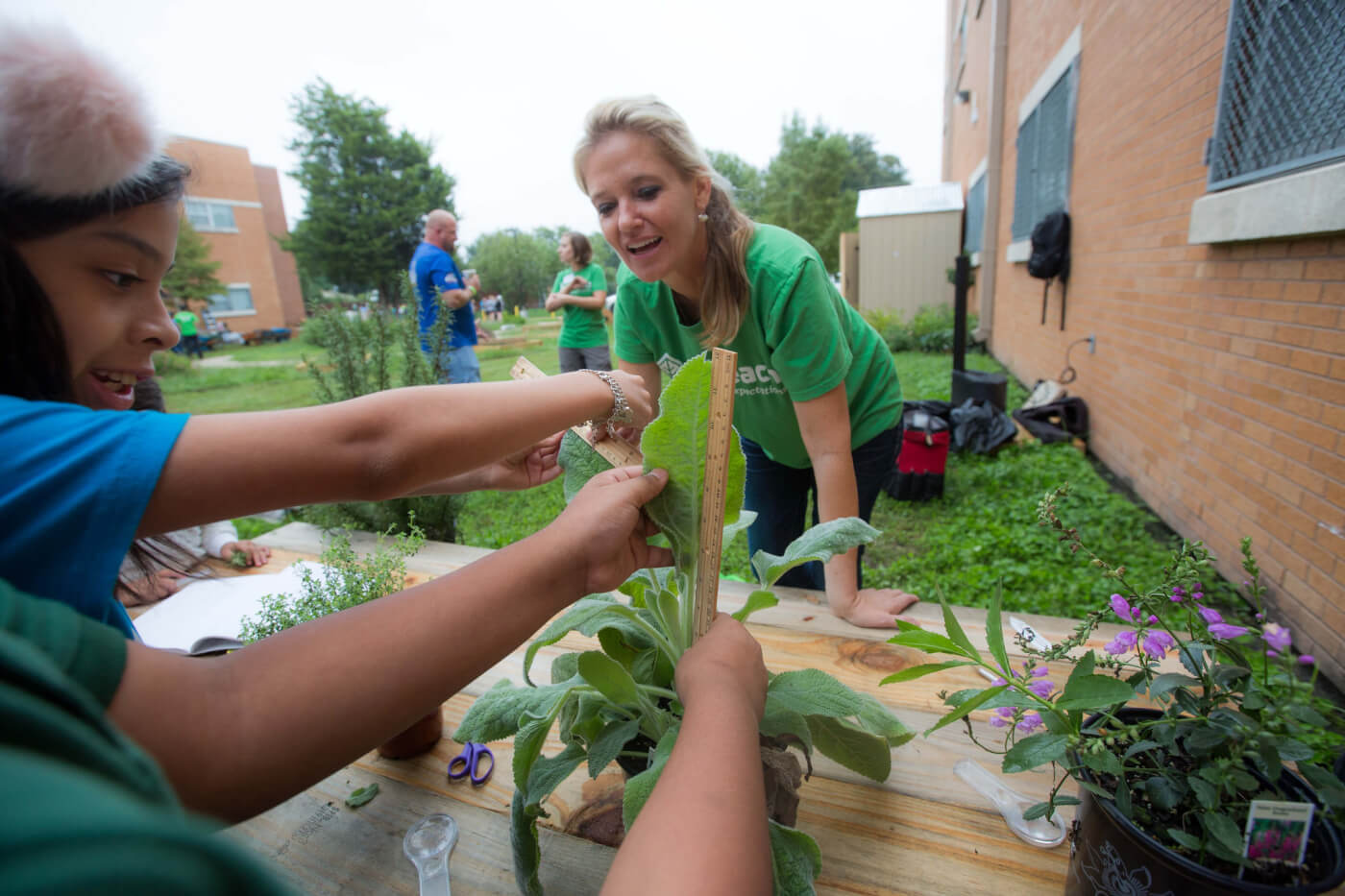
Henry B. González Elementary, Dallas, TX.Photo: Out Teach
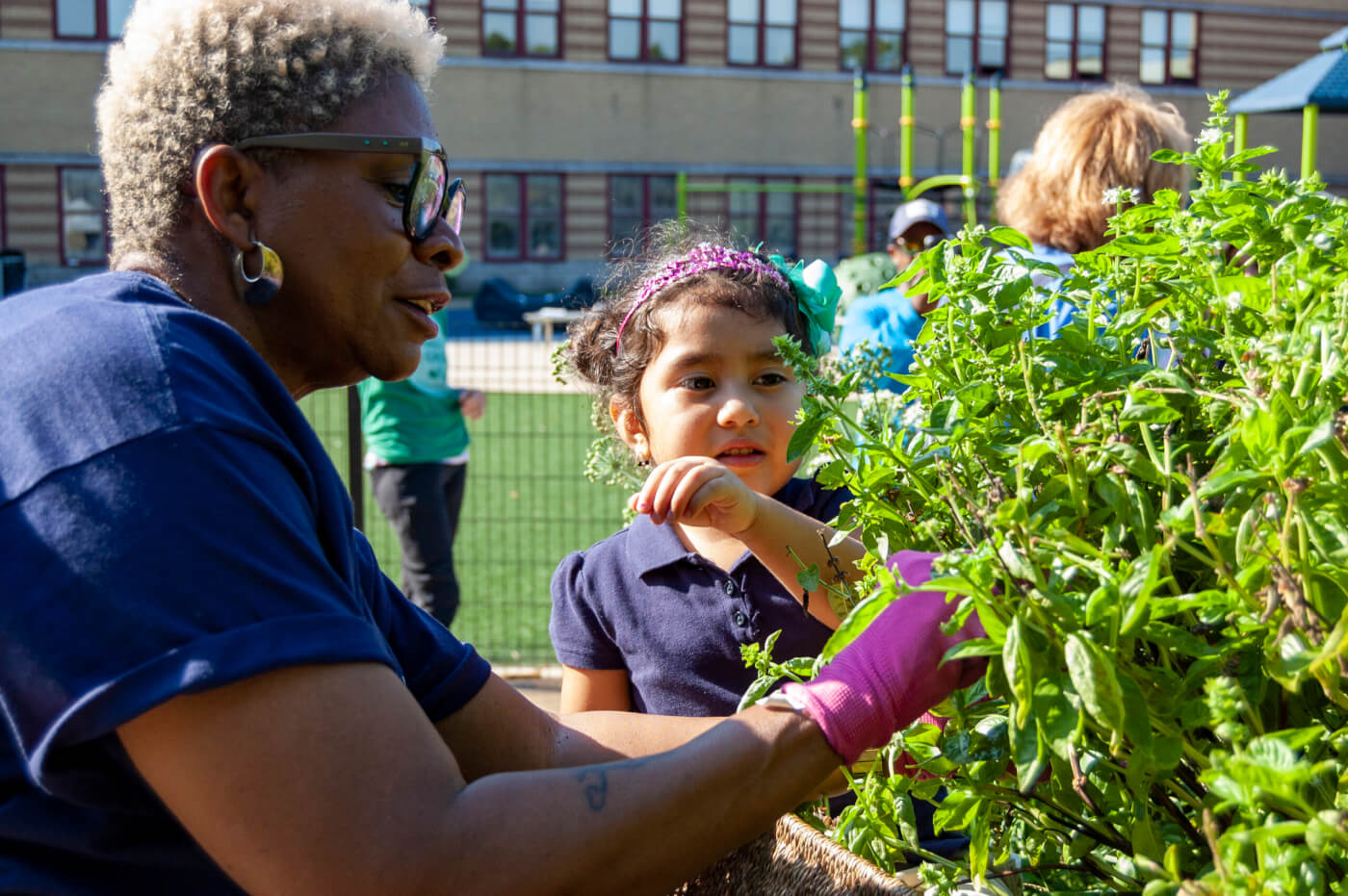
Orozco Academy, Chicago, IL. Photo: Space to Grow
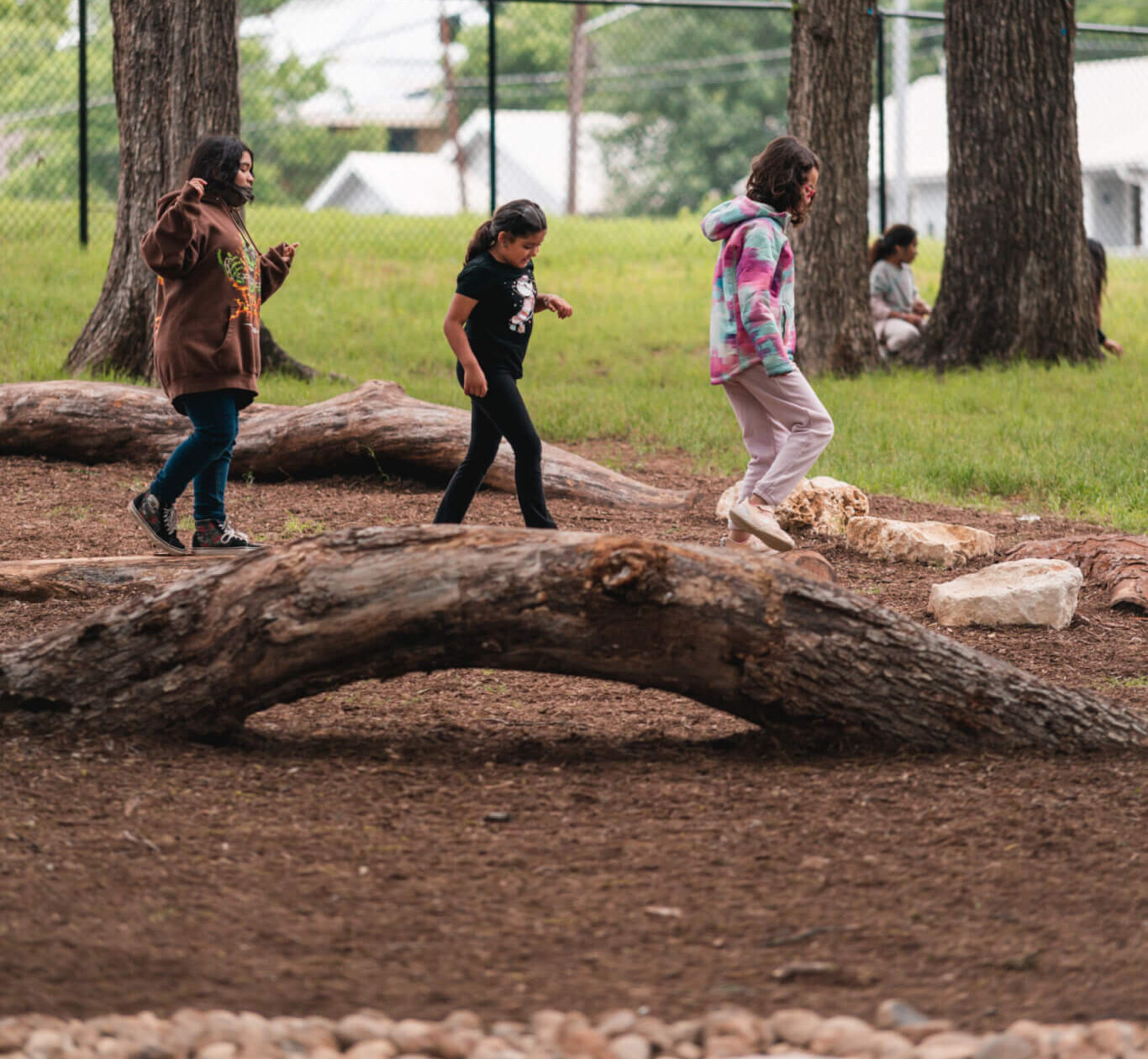
Sánchez Elementary School, Austin, TX. Photo: Austin CCCN
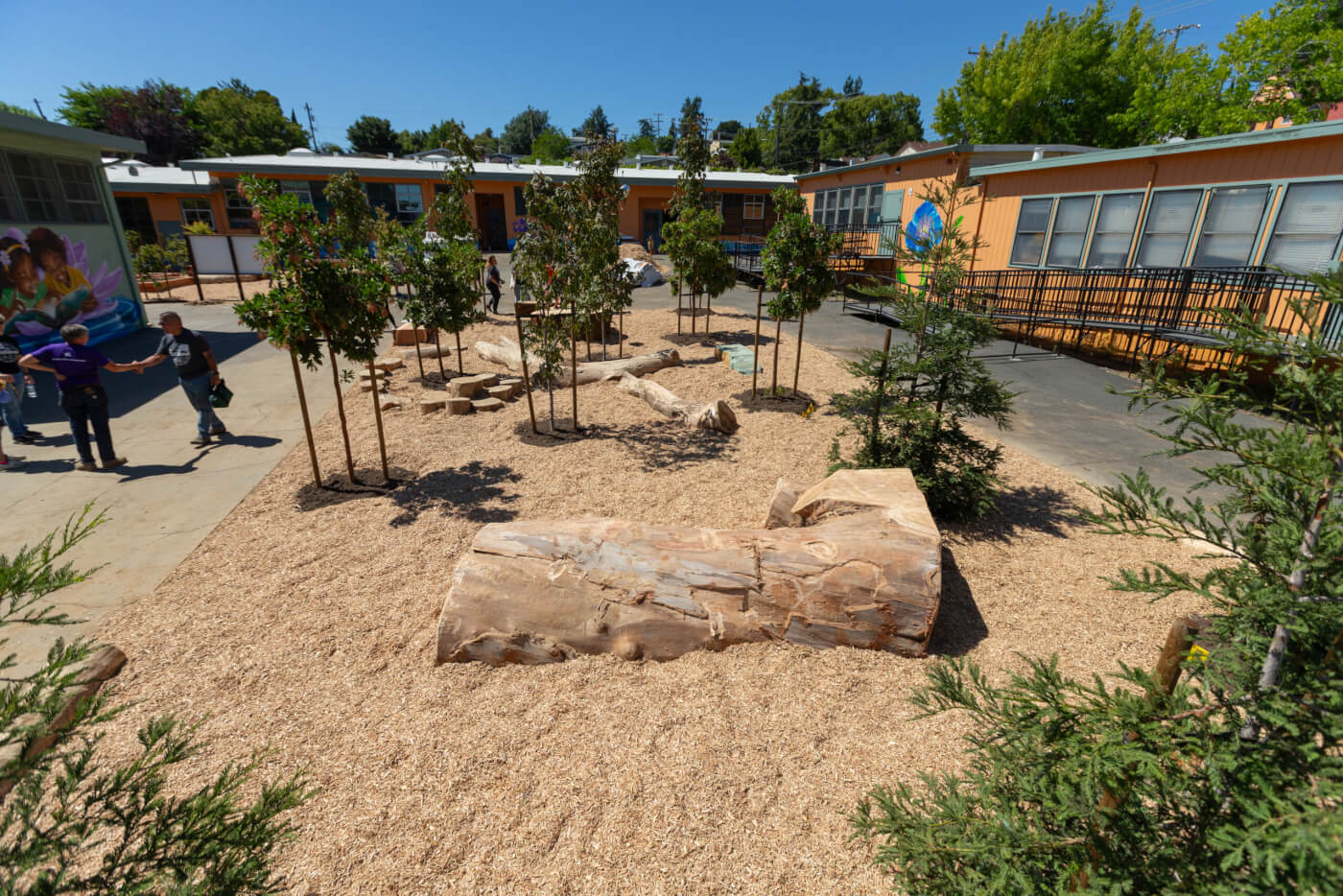
Oakland, CA. Photo: Eat. Play. Learn.
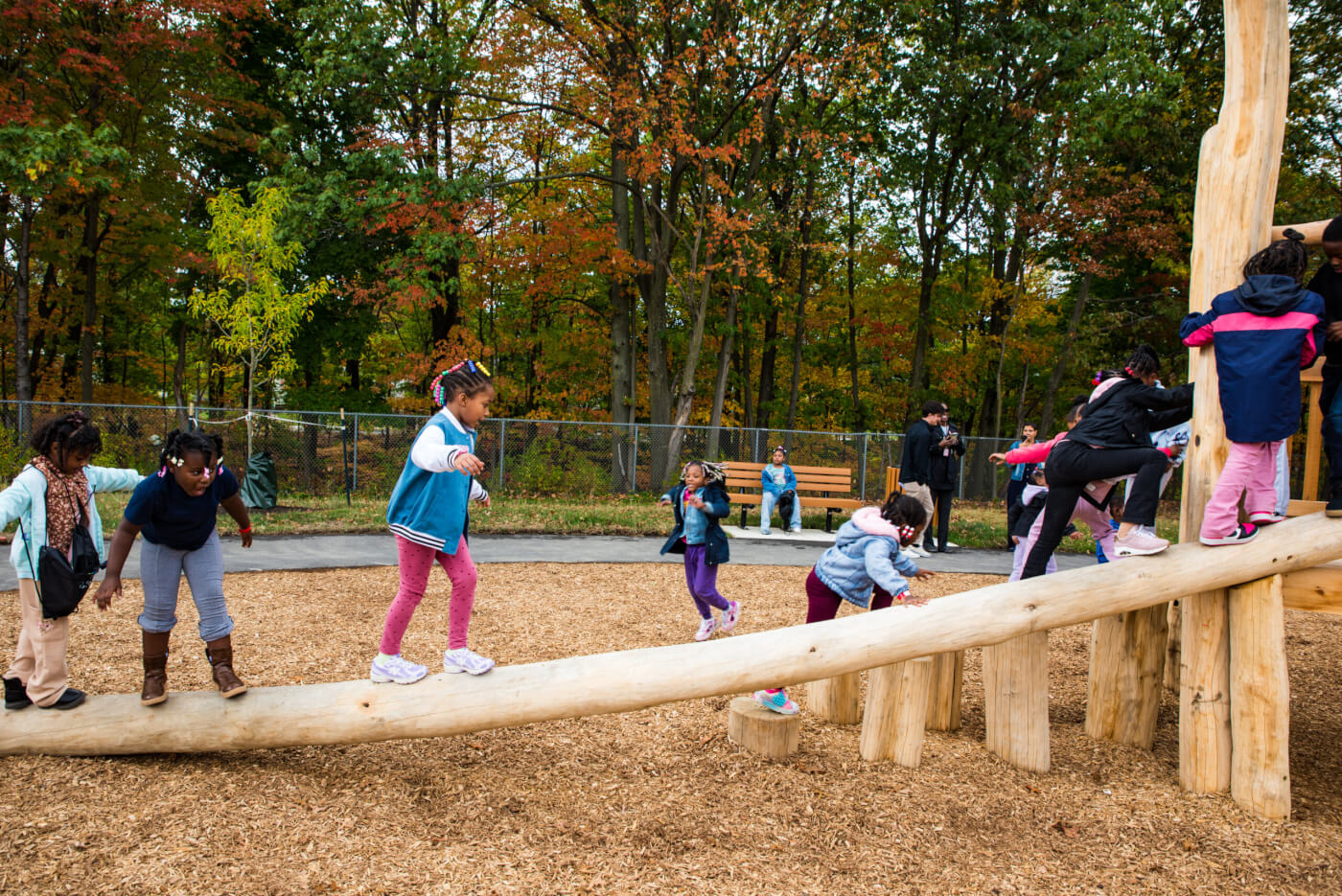
Caledonia Elementary, Cleveland Heights, OH. Photo: McKinley Wiley / The DarkRoom Co. LLC, courtesy of Trust for Public Land
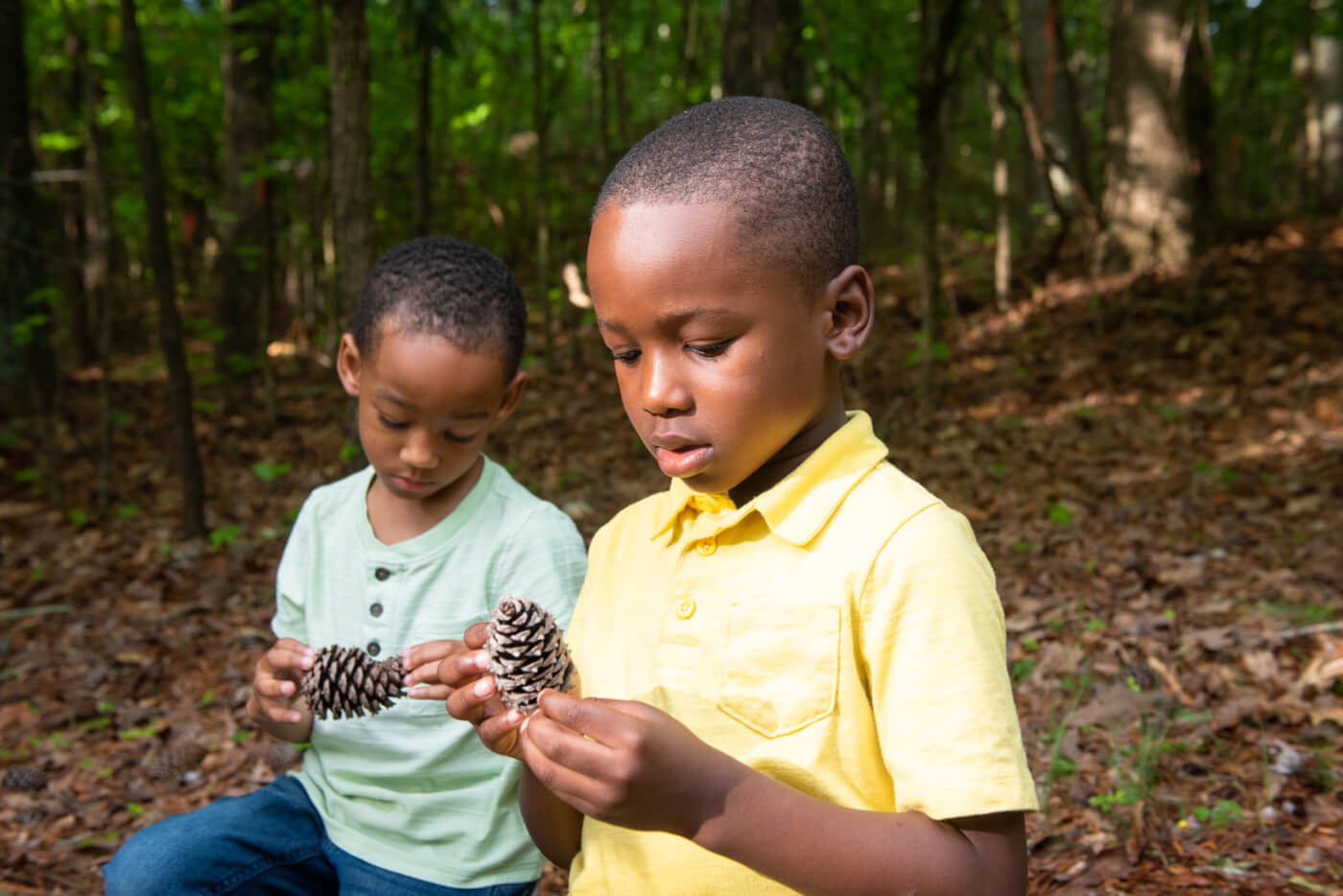
Miles Elementary, Atlanta, GA. Photo: Leah Overstreet, courtesy of Trust for Public Land
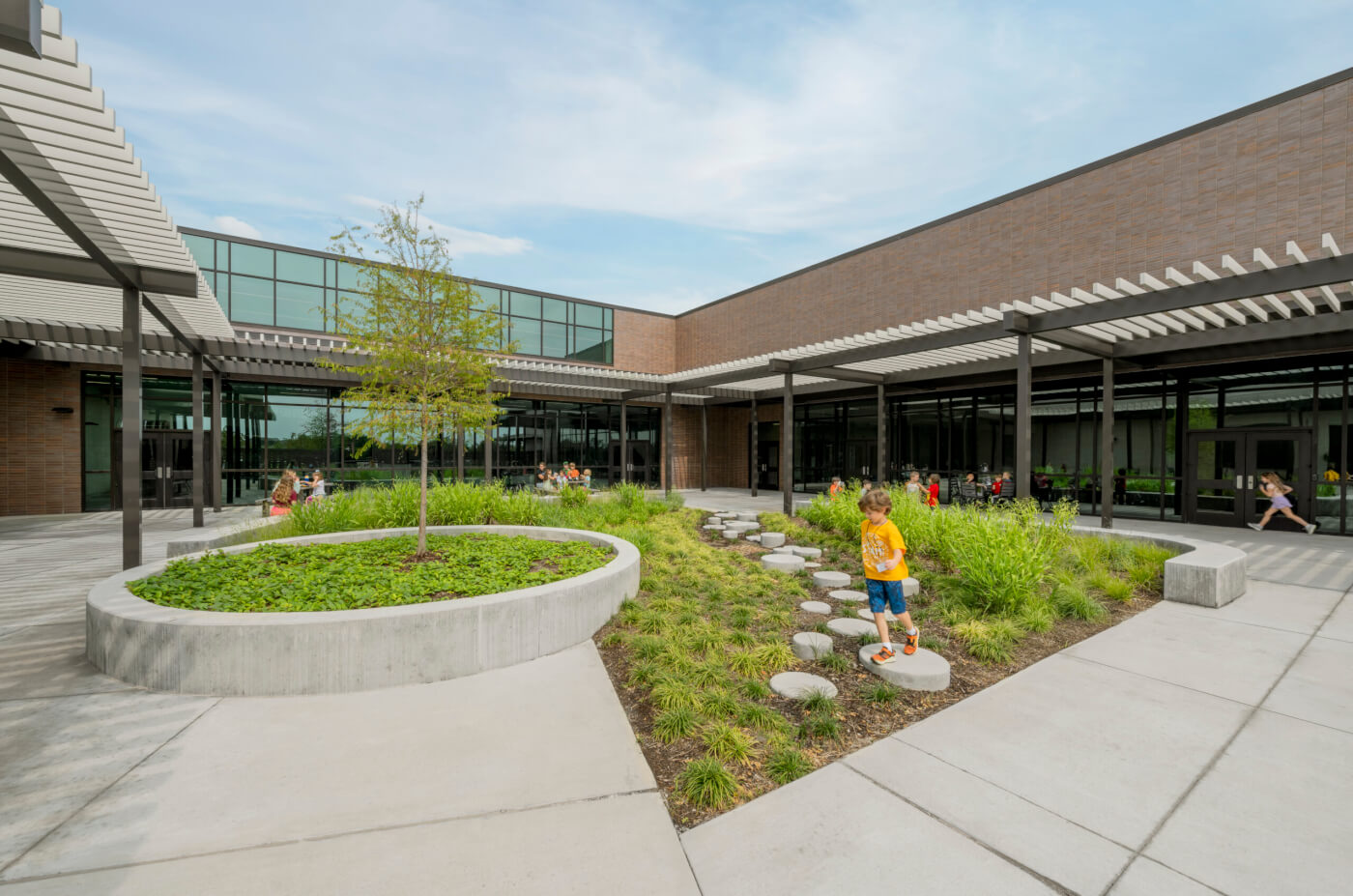
Cline Elementary, Friendswood, TX. Photo: Wade Griffith Photography
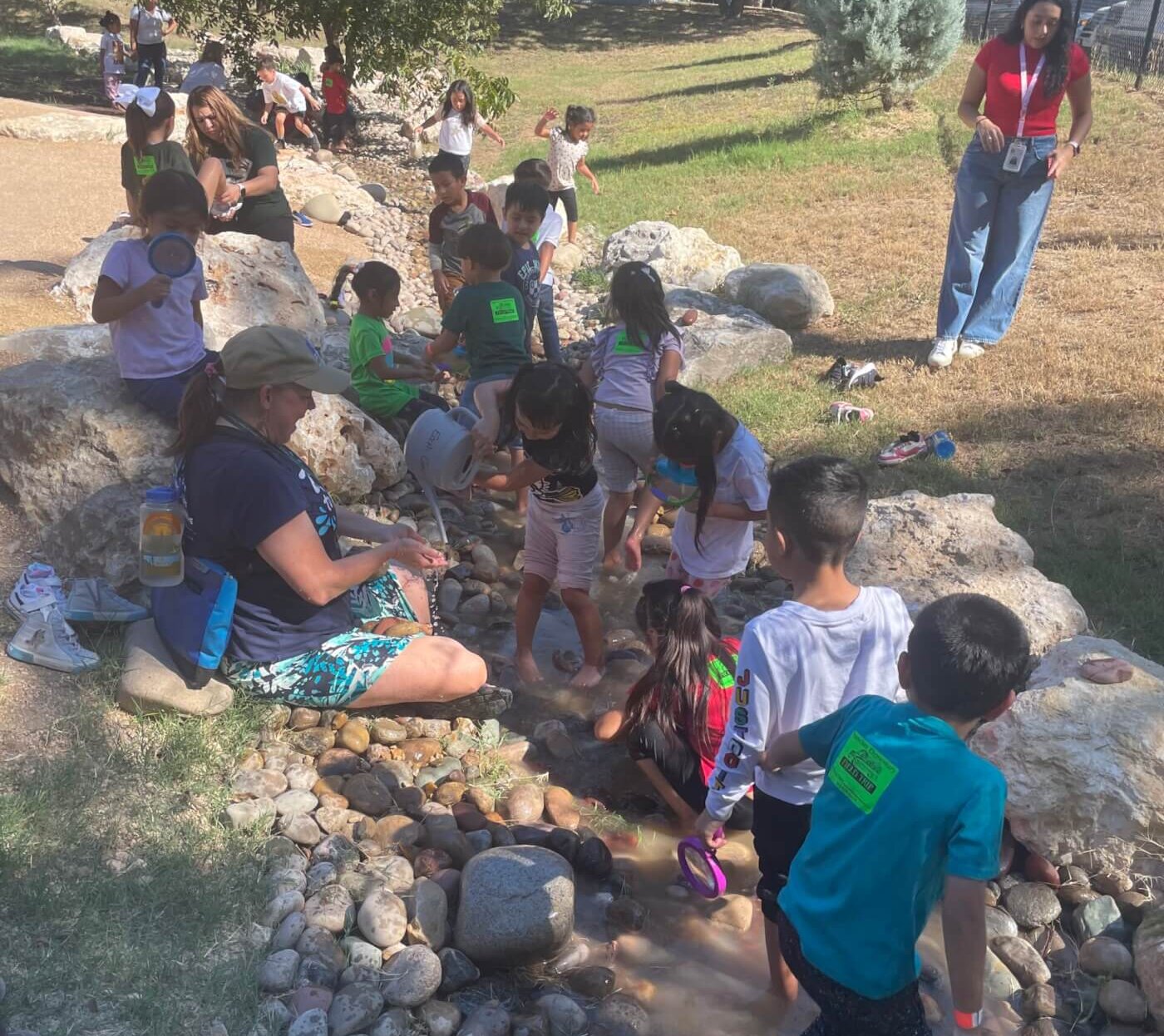
Austin, TX. Photo: Austin CCCN
Safe, nature-filled green spaces are not equally accessible to low-income communities and communities of color. The combination of limited access to green space, economic and environmental stressors, and other community challenges can inhibit healthy development for children.
Collaboratively designed green schoolyards build on community social capital, place-based knowledge, and vision to help community members connect, heal, and thrive. Ensuring equitable access to nature in schoolyards across all communities would have lasting impact on children’s learning, health, and well-being, especially for the most vulnerable children.
Green Schoolyards Action Agenda goals
ACTIONS:
- C1. Increase awareness of green schoolyard components and benefits among elected officials, decision makers, and multigenerational advocates across sectors and the general public, through partner networks, advertising, convenings, and other dissemination venues.
- C2. Conduct a landscape analysis of cross-sector partner organizations’ goals in order to identify the connections to and opportunities for green schoolyards, as well as a relational assessment of organizations already in this space.
- C3. Target outreach and interagency efforts toward new partners who have a stake in green space access and can accomplish their goals through green schoolyards.
- C4. Include green schoolyards in comprehensive municipal and community plans as spaces that can achieve outcomes in health, sustainability, climate resilience, community cohesion, and park access.
- C5. Establish processes in which children, youth, community members, parents, school staff and organizations are key advisors and decision makers to ensure culturally relevant design, use, programming and stewardship of green schoolyards. Provide training to support participatory design practices among facilitators and designers in the planning phase, and among builders, users, and maintainers in ongoing implementation and stewardship.
- C6. Train and build comfort among informal, pre-service, and formal educators to use their schoolyard as a classroom during and out-of-school time, across diverse curricula and subjects.
- C7. Increase the number of green schoolyards and models inclusively designed to serve all grade levels, learning styles, cultures, and ecosystems.
- C8. Work with hospitals to integrate green schoolyards into their Community Health Needs Assessments and Community Benefit investments in order to increase individual or group funding for schoolyard programs.
ACTIONS:
- EB1. Synthesize and disseminate published research on the benefits of green schoolyards; share ongoing and future research and evaluation; conduct rigorous, collaborative, multidisciplinary research; and create a reporting platform to monitor progress of new and existing green schoolyard initiatives on a variety of indicators in order to aggregate data that can impact understanding of potential outcomes.
- EB2. Expand evidence associated with the economic benefit, value and return on investment of green schoolyards for municipalities, school districts, community members, and society.
- EB3. Expand case-making toolkits demonstrating the evidence and success stories for key audiences such as local and national policymakers, agency administrators, educators, community members and funders.
- EB4. Expand baseline evidence to demonstrate the distribution of green schoolyards to create urgency and focus on low-income communities and communities of color.
- EB5. Maintain a multidisciplinary research agenda for green schoolyards, advocate for research funding, and fill gaps in the literature.
ACTIONS | General Policy:
- PF1. Advocate for the use of green schoolyards as sites for targeted physical and mental health interventions.
- PF2. Work with organizations active in federal and state advocacy to integrate green schoolyards into policy agendas, such as those addressing social justice, racial equity, sustainability, climate resilience, academic improvement, physical activity, nutrition, mental health, social-emotional learning, play, and public safety.
- PF3. Create policy case-making documents for decision makers at local, state and national levels.
- PF4. Engage with existing policy networks to advance the green schoolyards agenda by identifying policy levers and pieces of legislation with the greatest chance of advancement.
- PF5. Advocate for increased federal, state and local public investment in green schoolyards by supporting school facilities and education funding, grants and reimbursements across diverse agencies and channels.
- PF6. Promote the use of private investments such as accelerator grants, innovation grants, social impact bonds and CRAs (Community Reinvestment Act) to serve as catalysts for program capacity, movement building and long-term stewardship and maintenance of green schoolyards.
- PF7. Advocate for decision makers to prioritize funding distribution to low-income communities, communities of color, and those lacking nature access for greatest equity impact.
ACTIONS | State or Local/District Level Policy:
- PF8. Integrate outdoor learning requirements into state and school district curriculum and instruction plans and teacher training.
- PF9. Expand and adopt existing state, municipal or district shared-use and open use policies to promote multigenerational community access to schoolyards.
- PF10. Include school ground environments in both state and district capital planning, facilities master plans, facility condition and equity assessments, and educational specifications for campus learning spaces.
- PF11. Expand School Health & Wellness policies to increase use of green schoolyards for outdoor play and learning as part of the school day.
- PF12. Create policy to implement green schoolyard design guidelines at state or school district levels, integrating these into overall school design guidelines.
- PF13. Include green schoolyards in Every Student Succeeds Act (ESSA) state report cards and implementation.
- PF14. Work with municipal and state government advocates to identify, use, and further develop successful public funding models and mechanisms to support green schoolyards, such as local and state capital funds; urban utility agencies; stormwater fees; community benefits programs; and opportunity/ tax increment financing (TIF) zones.
- PF15. Work with school districts and advocates to secure capital and operational costs for green schoolyards through school bonds.
ACTIONS | Federal Policy:
- PF16. Set definitions and standards for planning, design, and construction of green schoolyards in any federal public education infrastructure funding and assessment of school facilities.
- PF17. Add green schoolyards to USGBC’s LEED and SITES rating systems and federal agency report cards and recognition criteria.
- PF18. Create a menu of green schoolyard elements that can aid municipalities in meeting Clean Water Act permitting requirements for municipal separate storm sewer systems and combined sewer systems.
- PF19. Expand inclusion of green schoolyards in aligned federal programs and funding, such as Community Development Block Grants (CDBG), USDA Forest Service Urban & Community Forestry (UCF) funds, Centers for Disease Control and Prevention (CDC) and ASDC “Whole School, Whole Community, Whole Child” models, and FEMA mitigation and post-disaster funding.
- PF20. Pilot a Health Impact Project where green schoolyards have been identified as an intervention and included in a Health Impact Assessment.
- PF21. Expand inclusive, nature-based design practices that meet and exceed ADA compliance to ensure space for learners of all abilities.
The green schoolyards movement is gaining momentum nationally and worldwide, as communities realize the myriad benefits of transforming paved school grounds into nature-rich spaces.
This Action Agenda “refreshes” the original 2017 Action Agenda. The 2017 Action Agenda was created from the 2015 National Green Schoolyards Summit, 2017 Health Equity Roundtable to Advance Green Schoolyards, conversations with experts and community leaders, as well as the following reports: Building a National Movement For Green Schoolyards in Every Community, published by the Children & Nature Network, and Green Schoolyards: A Growing Movement Supporting Health, Education and Connection with Nature, published by Healthy Schools Campaign and Openlands.
The 2025 “refresh” process, led by the Children & Nature Network in partnership with Trust for Public Land and KABOOM!, engaged hundreds of leaders in the field through an in-person Advisory meeting, focus groups, survey, and key informant conversations. Our collective, ongoing effort builds upon decades of visionary leadership and dedication by hundreds of organizations and individuals to restoring abundant connection to nature where children learn and communities gather.