
Honoring Indigenous Peoples and land
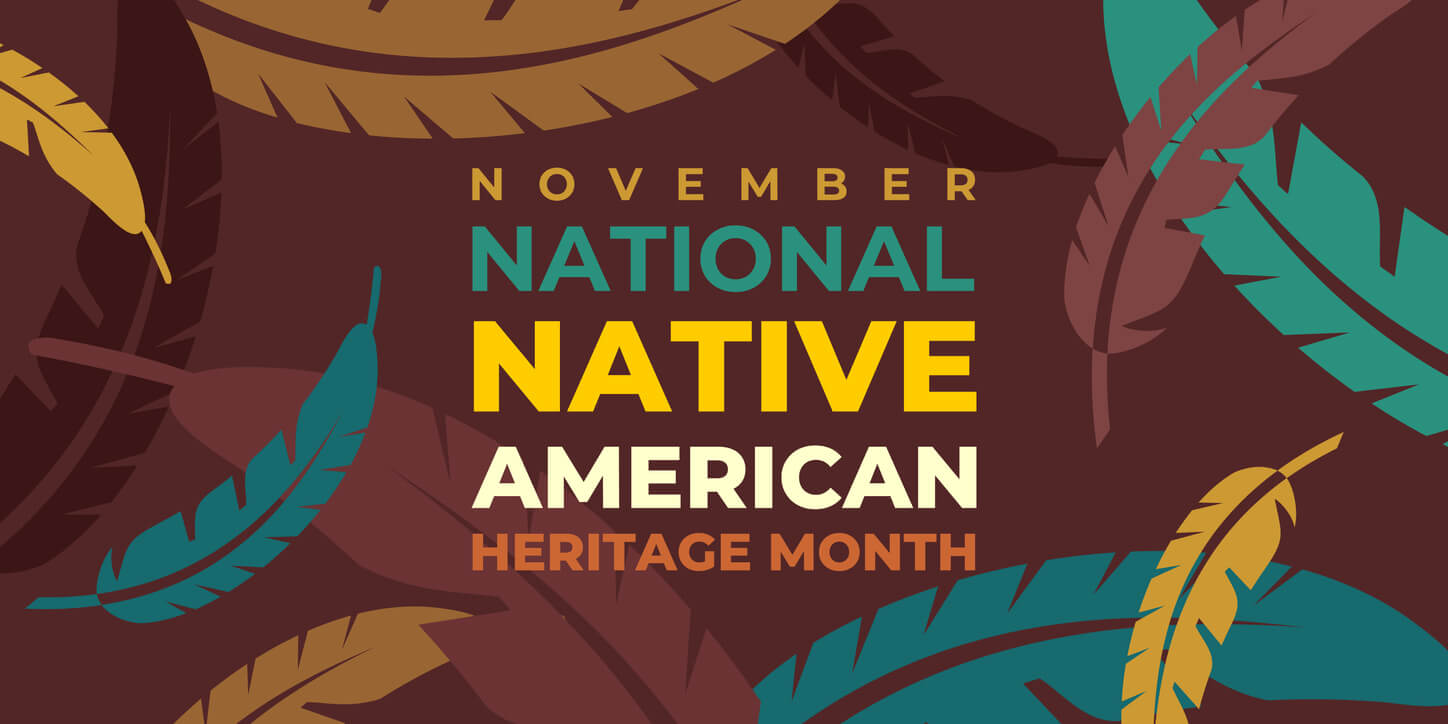
Every November, Native American Heritage Month celebrates the rich histories and diverse cultures of Indigenous Peoples and communities. In the United States, there are over 500 unique and distinct tribal nations as well as approximately 167 different Indigenous languages spoken across the country. It’s important to honor the realities and histories of Indigenous Peoples during this time, and year-round.
The following is a sampling of resources that recognize Indigenous Peoples and their histories, culture, land, Knowledge and activism. Please add to this list and share your ideas in the comments below or in an email to editor@childrenandnature.org.
- Native American Heritage Month, official website
- Native American Heritage Month, National Park Service
- Native American Heritage Month: A roundup of educational resources about Indigenous peoples, Native Americans in Philanthropy
- Native American Heritage Month Communications Toolkit, Native Americans in Philanthropy
- What to watch: Native American and Alaska Native Heritage Month, PBS
- A common thread: Indigenous-led foundation weaves together activism and art, climate and community, Finding Nature News, Children & Nature Network
- Going Beyond Land Acknowledgments training and resources, Redbud Resource Group
- Learn more about rematriation and land back, Sogorea Te’ Land Trust
- Learn about and support American Indian nations and people in the recovery and control of their rightful homelands, Indian Land Tenure Foundation
- Steps to Land Back, a film series by Redbud Resource Group
- Video: The Rights of Nature with Samantha Skenandore of the Ho-Chunk Nation, Children & Nature Network
- When buried water sees the light of day, communities thrive, Finding Nature News, Children & Nature Network
- Whose land are you on? Interactive Native land map and teacher’s guide, Native-Land.ca
- Changing the Narrative about Native Americans: A Guide for Allies, Reclaiming Native Truth
- Diversify your feed: 6 more Indigenous environmental organizations you should follow, Native Americans in Philanthropy
- How Journalists Can Avoid Indigenous Stereotypes, NBCU Academy
- Land Reparations & Indigenous Solidarity Toolkit
- Research Digest: The healing power of nature for Indigenous children and youth, Children & Nature Network
- Research Digest: Indigenous studies for Native American Heritage Month, Children & Nature Network
- Research Digest: Translating Traditional Ecological Knowledge, Children & Nature Network
- Five ways to indigenize your curricula, Redbud Resource Group
- Giving Thanks: Telling a more complete narrative in your classroom, from the Smithsonian National Museum of the American Indian
- How lessons from Traditional Ecological Knowledge can support kids — and stave off climate anxiety, Finding Nature News, Children & Nature Network
- Indigenous Children’s Survivance in Public Schools, Dr. Leilani Sabzalian
- Indigenous knowledge is often overlooked in education. But it has a lot to teach us, EdSurge
- Lessons from Indigenous science: 5 ways to build a relationship with your local ecosystem, Finding Nature News, Children & Nature Network
- Native American Literature in Your Classroom, National Museum of the American Indian
- Seeing our Native students: A guide for educators, Redbud Resource Group
- 7 young Indigenous activists standing up for their communities, DoSomething.org
- Brave Heart Fellowship, Center for Native American Youth
- Indigenous Youth Fellowships, Cultural Survival
- Indigenous Youth Initiative, Earth Guardians
- How Alaska Native youth are protecting the land for their future, High Country News
- Native Earth Environmental Youth Program, State University of New York, College of Environmental Science and Forestry, Center for Native Peoples and the Environment
- Native Youth Community Adaptation Leadership Congress, NYCALC
- Nine Indigenous climate activists you should know about, Arcadia
- Youth in Action: Indigenous Ecosystems, National Museum of the American Indian
- Youth Leaders Hub Trello Board, Indigenous Climate Action
- Youth Outdoor Equity Environmental Leadership Fund, the Children & Nature Network
- Annual National Day of Mourning, United American Indians of New England
- Gathering in gratitude, Finding Nature News, Children & Nature Network
- Lies Your Teacher Taught You: The Truth About Thanksgiving, All My Relations Podcast
- Reclaiming Thanksgiving: Honoring the Past, Nourishing the Future, All My Relations Podcast
- Rethinking Thanksgiving Celebrations: Native Perspectives on Thanksgiving, National Museum of the American Indian
- Should America Keep Celebrating Thanksgiving?, by Sean Sherman and Chase Iron Eyes, The Nation
- Thanksgiving: What to share with kids beyond food and festivity, an interview with Traci Sorrell, WBUR
- Things every non-native should do on Thanksgiving, HuffPost
- 10 Ways to Decolonize Your Thanksgiving: Tips from Native Youth Leaders, The Aspen Institute
- Center for Native American Youth — education and advocacy organization that works alongside Native youth to improve their health, safety and well-being
- Her Many Voices Foundation — provides resources and practical education for women, children and Mother Earth, with a focus on Indigenous communities
- Indigenous Climate Action: Youth Leadership — Indigenous-led organization investing in Indigenous Youth for a sustainable future for humanity and the Earth
- Indigenous Climate Hub: a platform for Indigenous peoples across Canada to share their climate change experiences and stories. Provides access to climate change resources and tools for Indigenous peoples to monitor and adapt to the changing climate.
- Indigenous Environmental Network — advocates for the inherent rights of Native peoples to practice cultural and spiritual ways of life and to stop the destruction of Native waters, lands and territories
- International Indigenous Youth Council — organize youth through education, spiritual practices and civic engagement to create positive change for sustainability and environmental protection
- Redbud Resource Group — helps improve public health outcomes for Native American communities through education, research and community partnership
- Native Voices Rising — a research, donor, education, re-granting and capacity-building collaborative created to support organizing, advocacy and civic engagement in Indigenous communities
- Native Youth Climate Adaptation Leadership Congress — aims to support future conservation leaders with the tools and skills needed to address environmental change and conservation challenges through an annual training event
- NAYA Family Center — provides culturally specific programs and services that guide Native youth and families in the direction of personal success and balance through cultural empowerment
- Waḳaƞ Ṭípi Awanyankapi — Native-led environmental stewardship nonprofit in Saint Paul, Minnesota, focused on urban Restoration and stewardship, cultural connection, and environmental education. Read more in Finding Nature News.

When buried water sees the light of day, communities thrive
In Minnesota, a project to resurface a buried urban waterway will enhance community access to nature and connect local Native youth.

A common thread: Indigenous-led foundation weaves together activism and art, climate and community
Indigenous leader Alicia Fall on the importance of community care in environmental work. Read about how organizations can center Native perspectives.

Gathering in Gratitude
To gather is a human desire borne from our need to survive and pass on our genes. Our ancestors gathered to protect themselves from those who would do them harm, both animal and human, as they protected their clan from predators and other tribal groups.

Lessons from Indigenous science: 5 ways to build a relationship with your local ecosystem
As disconnection from the natural world grows, how can we help children foster a relationship to nature? Read for 5 lessons from Indigenous science.

How lessons from Traditional Ecological Knowledge can support kids — and stave off climate anxiety
Learn how Indigenous science can help kids find a path through eco-anxiety — to resilience and hope, for nature and for themselves.

The healing power of nature for Indigenous children and youth
This special issue of the Digest is focused on the healing power of nature and Indigenous cultures.
Indigenous studies for Native American Heritage Month
The studies in this Digest highlight the importance of nature for the culture, identity, and health of Indigenous people as well as some of the challenges they experience navigating Western culture and the effects of climate change.
Translating Traditional Ecological Knowledge
The studies in this Digest highlight the role of Traditional Ecological Knowledge in restoring culture, enhancing connection to nature, addressing colonialist consciousness and improving health.
Editor’s note: This resource was originally published in Finding Nature News, November 2022. It is updated and republished annually with new resources, with the most recent update in November 2025.