


Nature in Early Childhood: A Toolkit
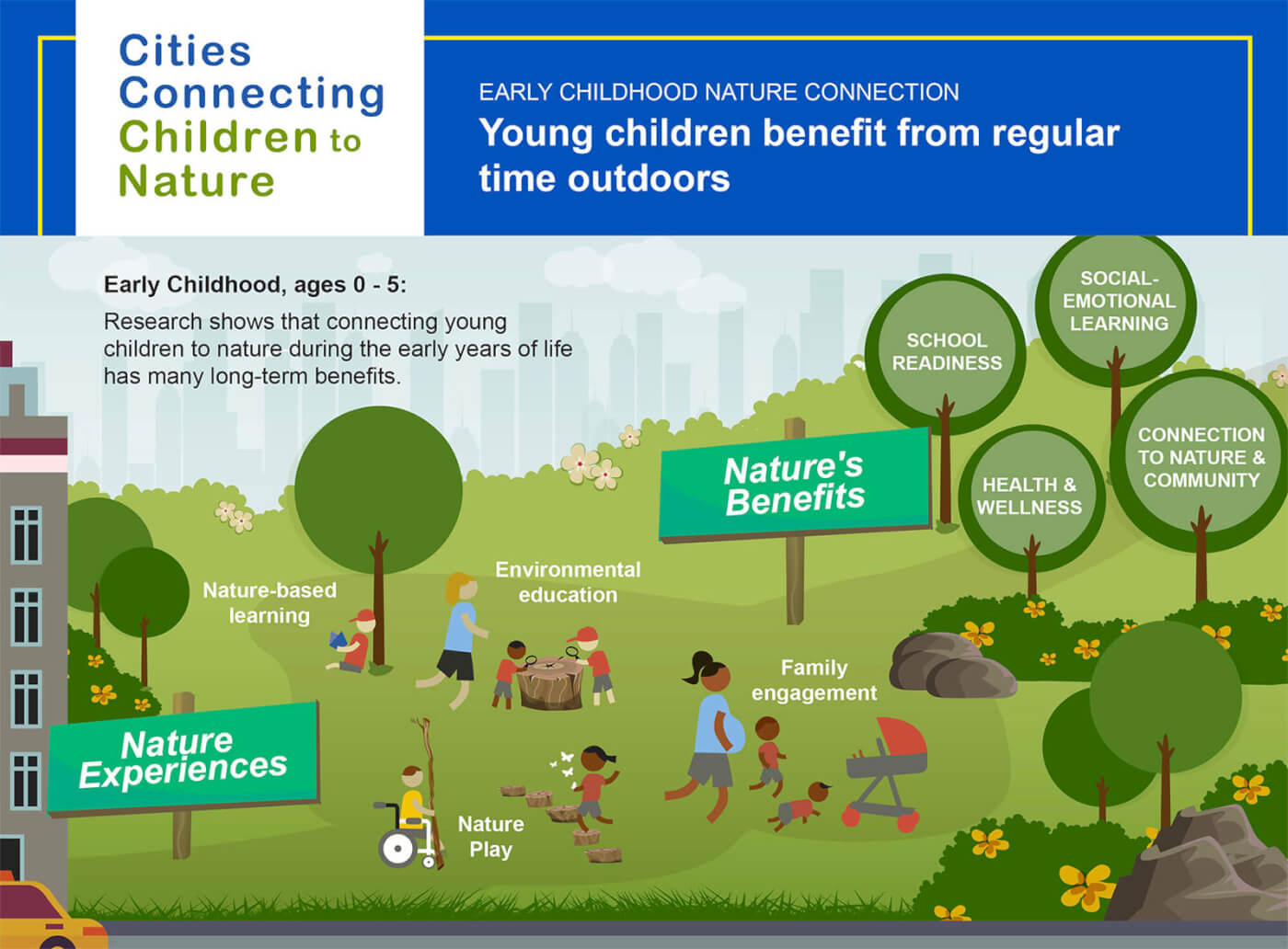
Embedding nature into early childhood systems
Embedding nature into early childhood systems
The early years in a child’s life lay the foundation for lifelong health, learning and well-being. Between birth and age 5, children’s brains develop faster than at any other stage, shaped by their experiences, relationships and environments. Regular access to nature during this critical period strengthens social-emotional skills, executive function, physical and mental health, and school readiness.
Yet not all children have equitable access to safe, developmentally appropriate outdoor spaces in the places where they live, learn and grow. This is especially true in historically marginalized communities. While many communities recognize the value of nature, systemic barriers prevent early childhood care and education systems from fully embedding outdoor and nature-based practices.
A multi-layered strategy for systems-level change
The Nature in Early Childhood Toolkit offers a structured, multi-layered approach to ensure that nature is fully integrated into early childhood education systems. Rather than a one-time intervention, this approach builds long-term, self-sustaining nature access by working across four interconnected layers:
- Early childhood infrastructure: Ensuring all children have access to high-quality outdoor learning environments in child care centers, home-based care and community spaces.
- Programming and family or caregiver engagement: Activating outdoor play and learning spaces through structured programs and family involvement, ensuring they are well-utilized and integrated into daily life.
- Workforce capacity and professional development: Training early childhood educators, home visitors and family support professionals to confidently integrate nature into early learning.
- Public policy and funding: Amplifying the work by addressing regulatory, funding and policy barriers to ensure outdoor learning becomes a standard part of early childhood care and education.
By working across these layers, the Nature in Early Childhood Toolkit model ensures that all young children — regardless of their race, income or geographic location — have equitable access to the benefits of nature during this critical stage of development.
The Nature in Early Childhood Toolkit provides tools, case studies and implementation guides to help communities think through the various stages of implementation, from partnership building and workforce training to amplifying and sustaining efforts through policy change and funding.
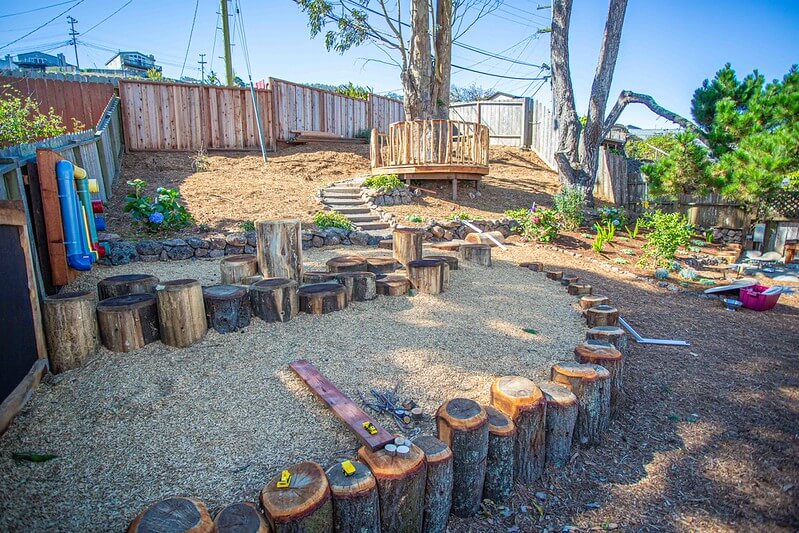
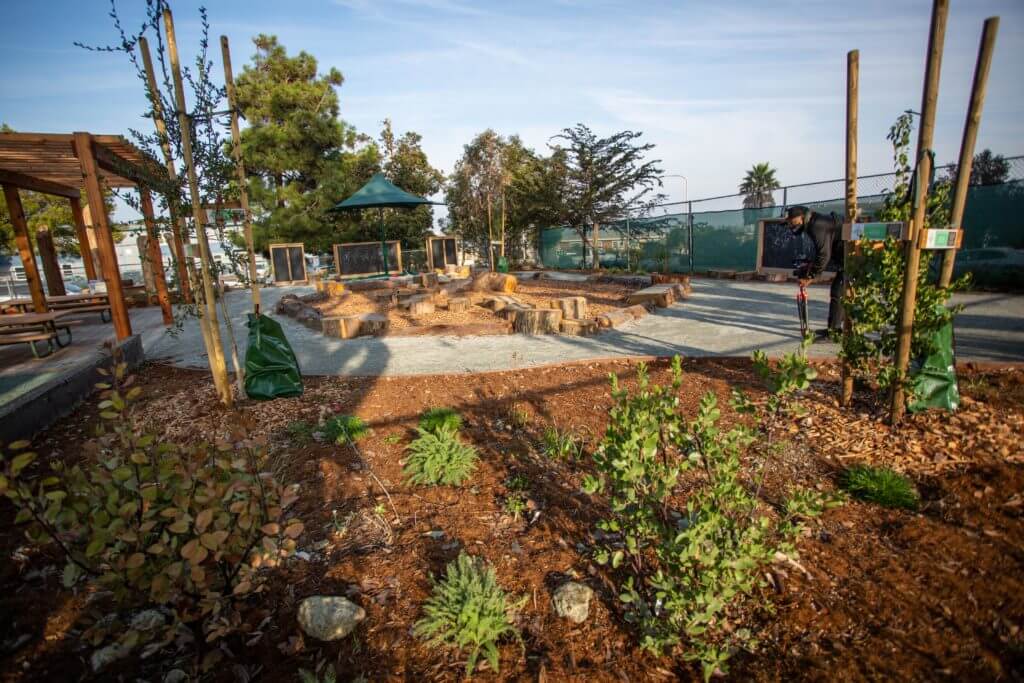
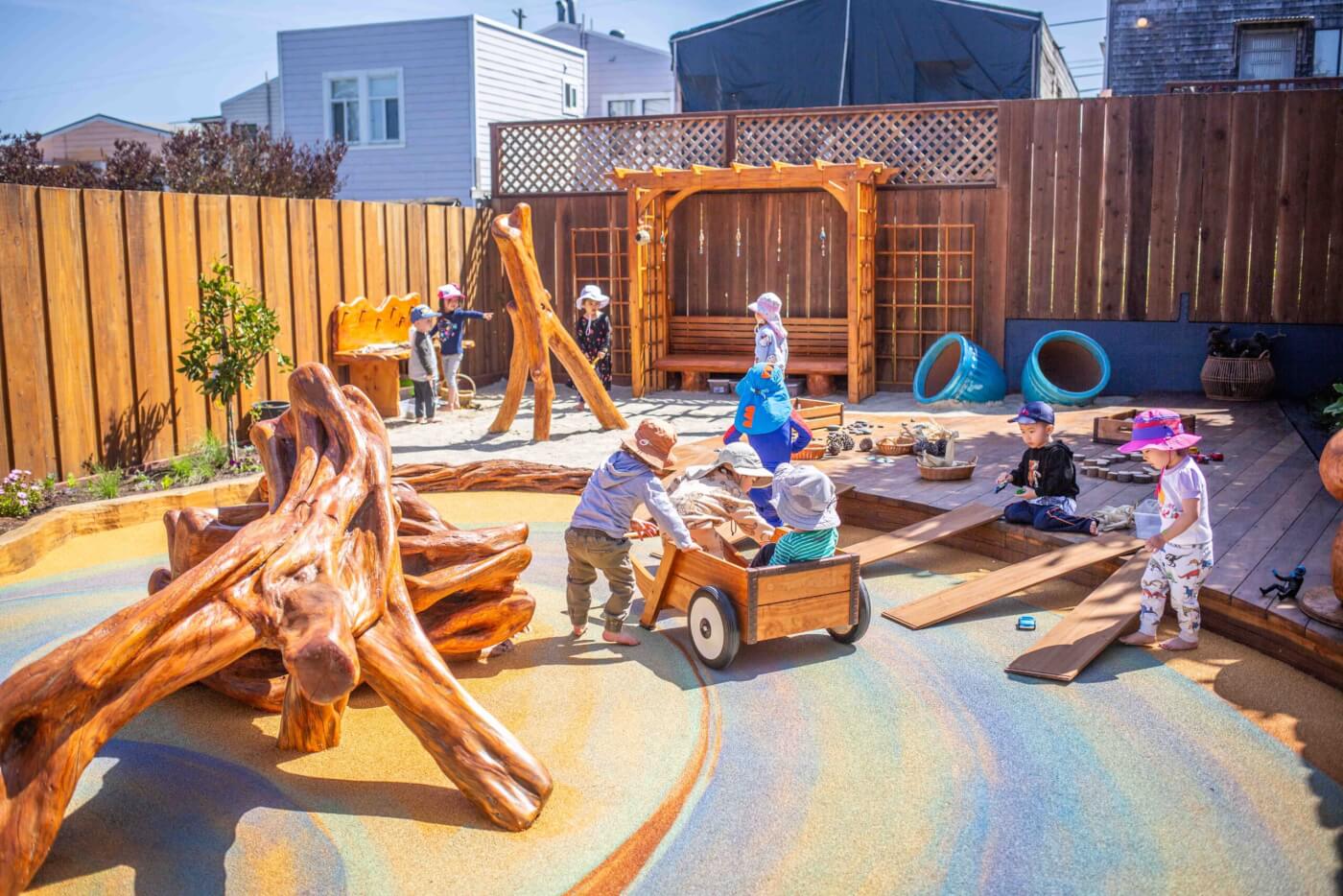
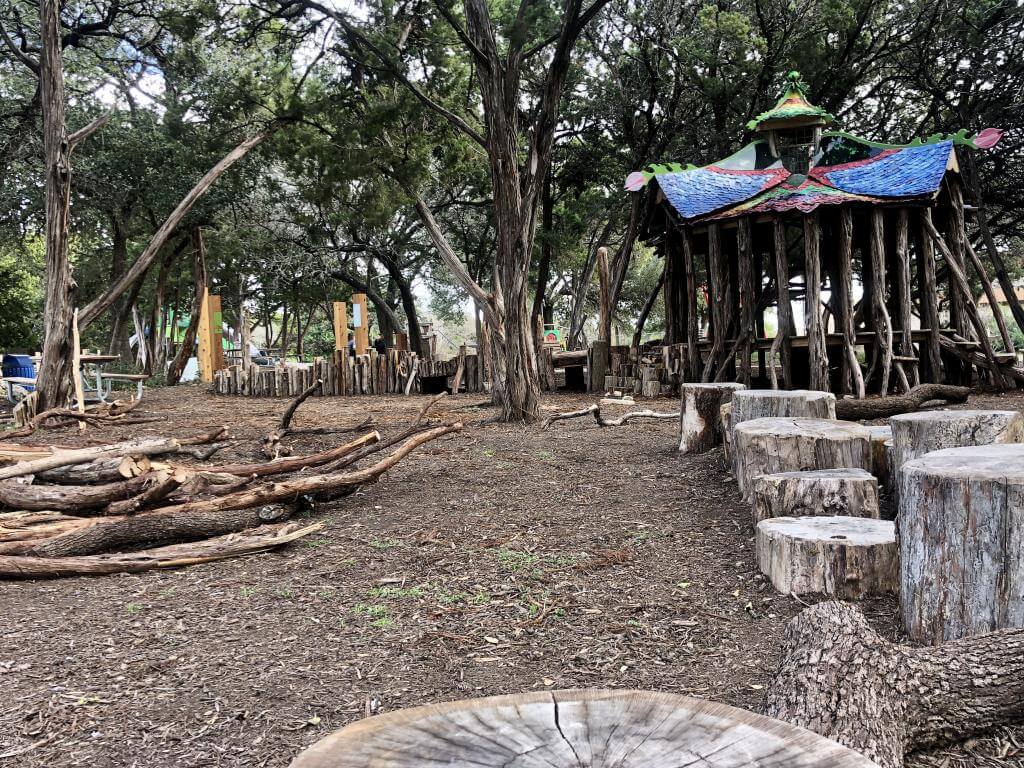
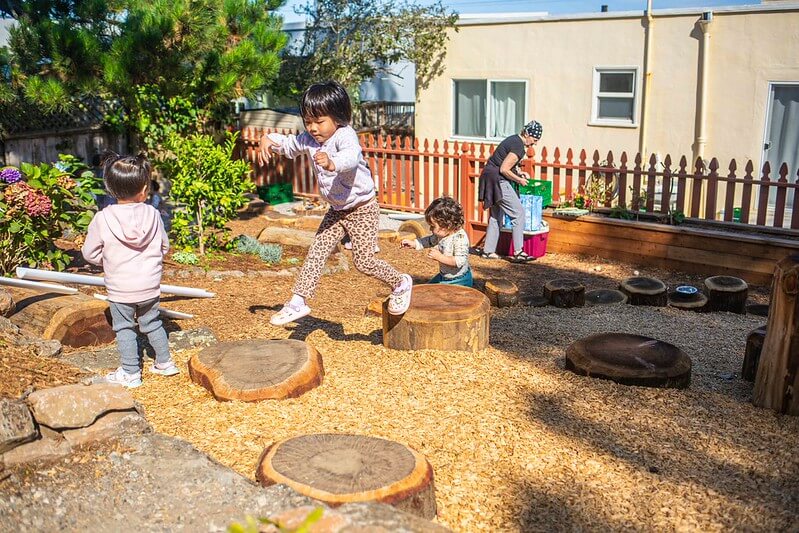
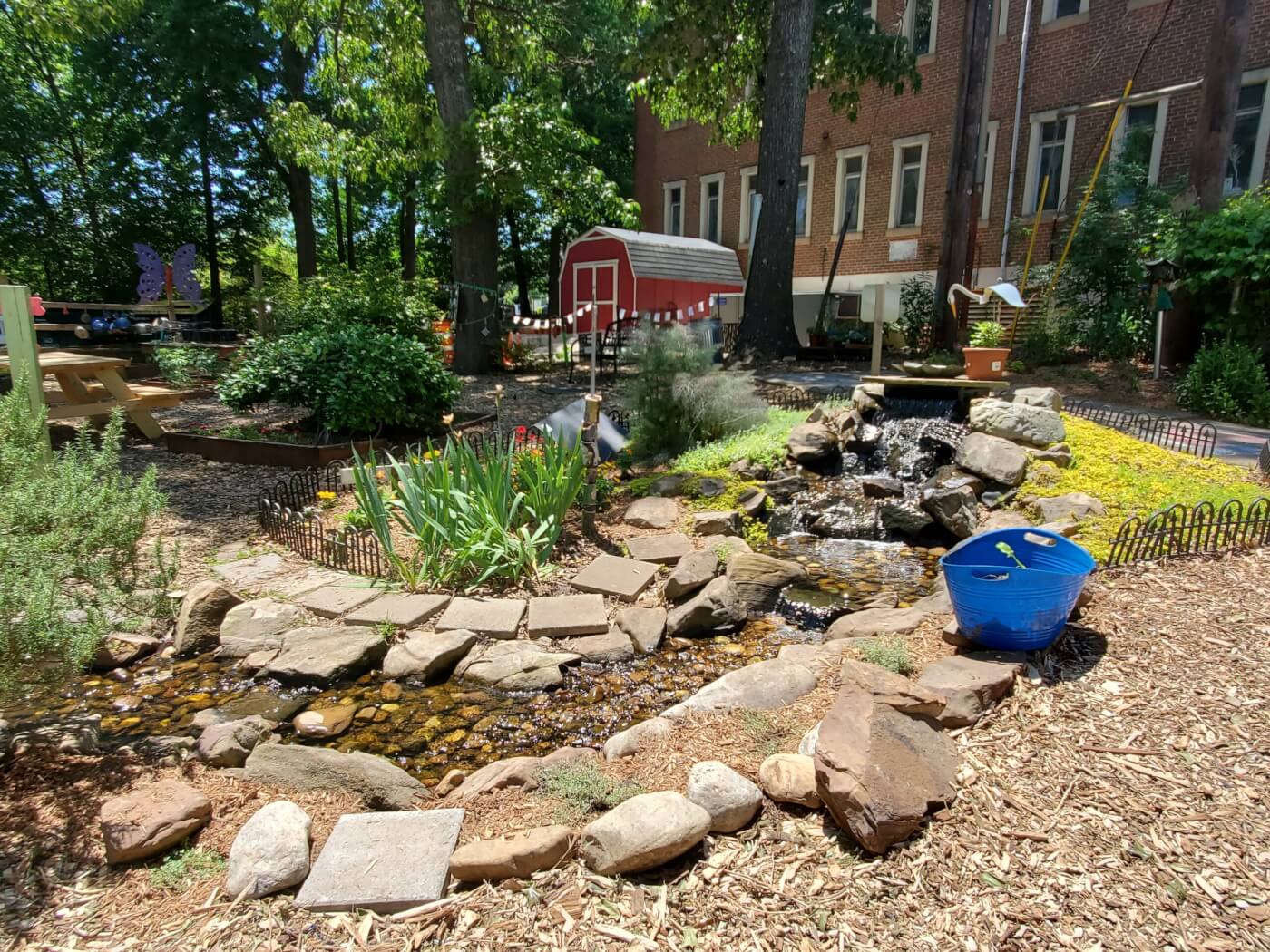
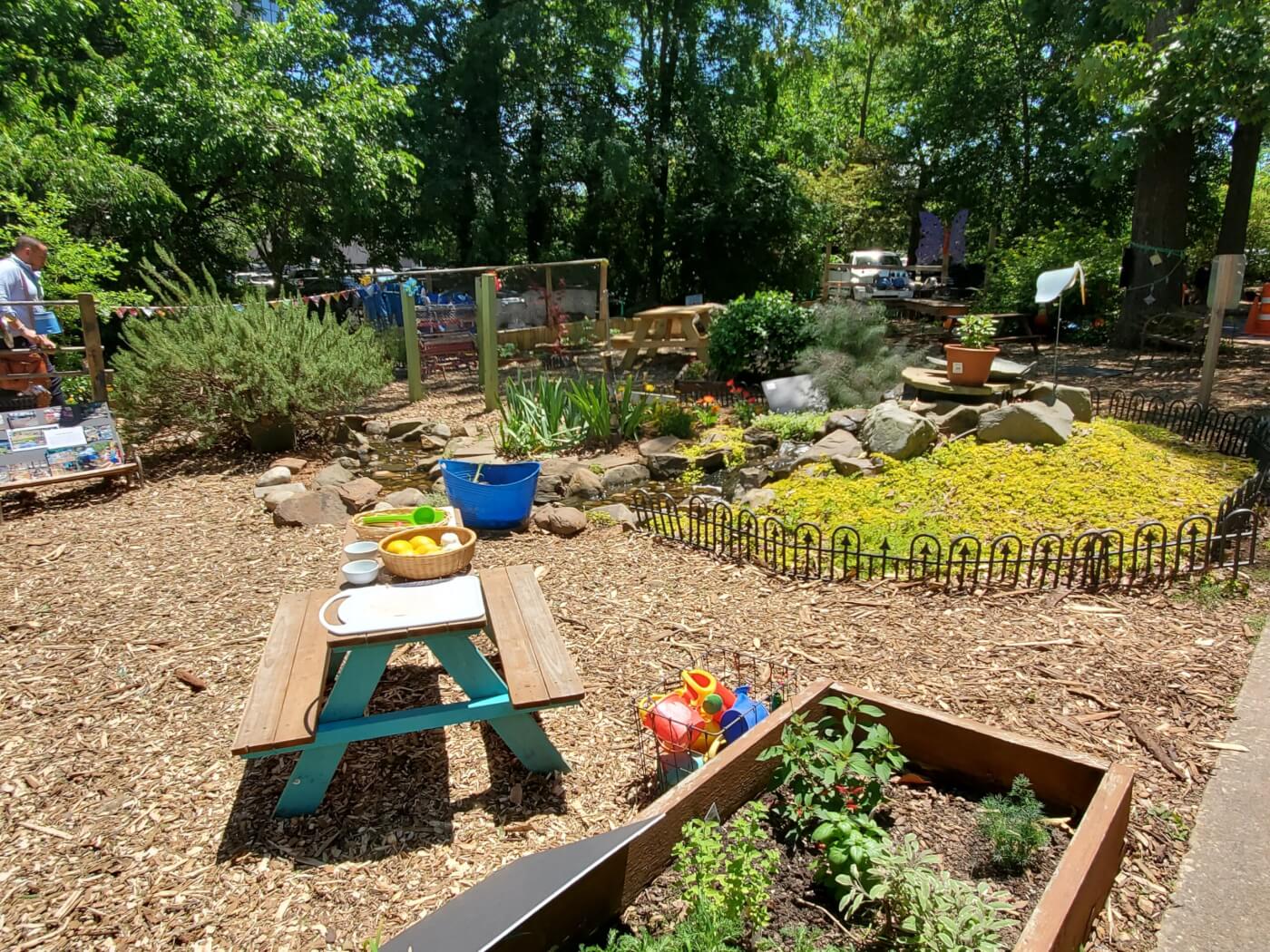
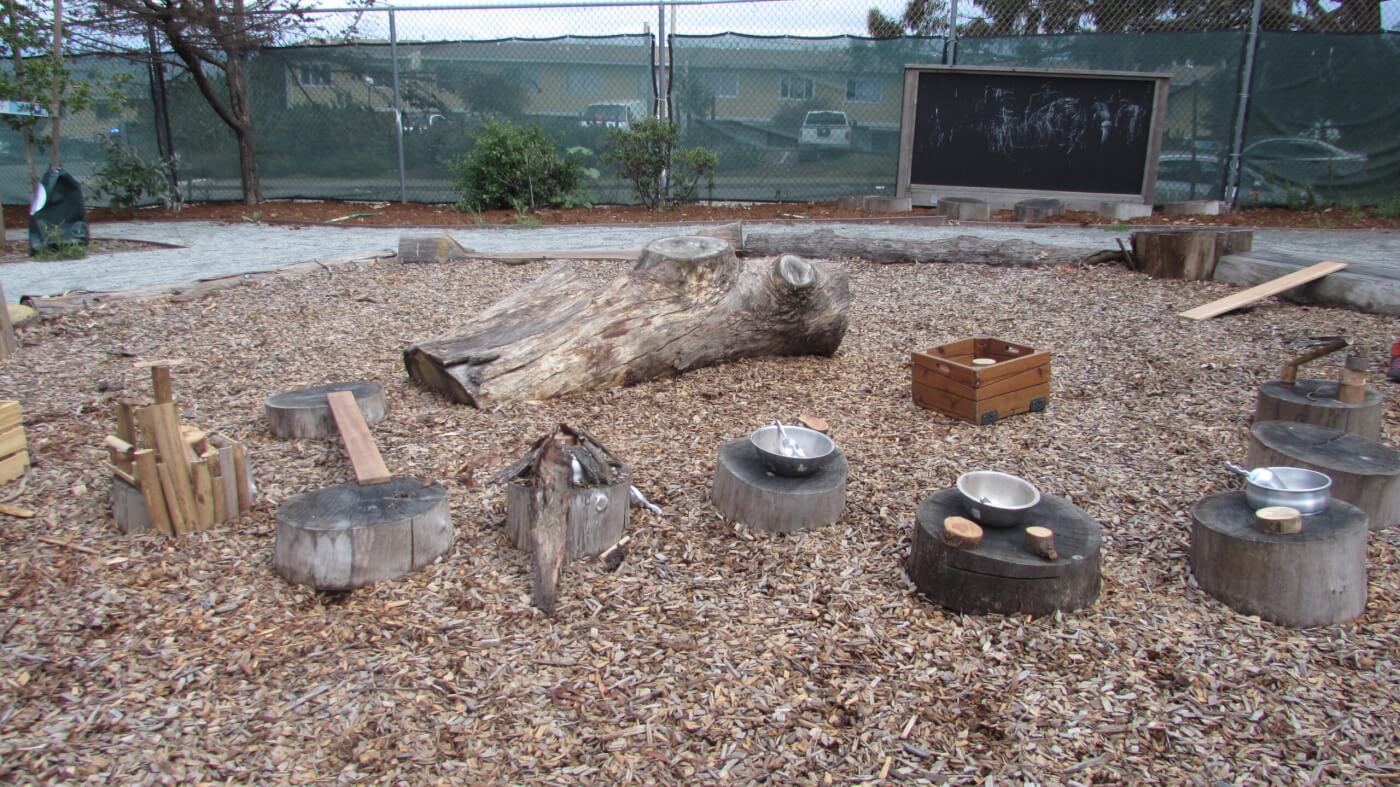
Young children thrive when they have daily access to safe, high-quality, and developmentally appropriate nature spaces. From early childhood centers and home-based care to parks and community hubs, these environments play a vital role in supporting healthy growth and learning during the critical early childhood years from birth to age 5.
Many cities across the country have found success by using two key tactics to incorporate nature-based infrastructure into early childhood for nature connection:
- Adding nature to outdoor spaces in early childhood programs. Young children spend time in a variety of early childhood settings, including centers, preschools, and family, friend, and neighbor care. Adding natural elements such as trees, pathways, boulders, logs, and gardens can not only support children’s growth and learning but also promote broader community goals like school readiness, obesity prevention, climate resilience, and environmental stewardship.
- Building Nature Exploration Areas (NEAs) in parks and other public spaces. NEAs are intentionally designed outdoor environments that invite children to engage with natural elements, like water, sand, logs, plants, stones and loose parts. These spaces support whole-child development by encouraging movement, creativity, sensory exploration, risk-taking and connection to the natural world. Nature playspaces are designed to be open-ended and interactive, allowing children to shape their own experiences through play.
Below are examples of ways to activate these tactics. However, to make this work possible, communities must ensure that they understand and execute the foundational steps prior to activation.
Young children spend many hours each day in early childhood programs, including licensed and unlicensed care settings, such as centers, preschools, and family, friend and neighbor care. These settings play a critical role in early childhood development. Enhancing them with nature not only supports children’s growth and learning but also advances community priorities such as school readiness, obesity prevention, climate resilience and environmental stewardship. See our research section on the benefits of time spent outdoors.
Incorporating natural elements like trees, pathways, boulders, logs and gardens, creates outdoor spaces where children ages 0 to 5 can be active, explore and build essential skills. Strategically planned designs also help ensure children can safely connect with nature — even as climate change brings challenges like heat and air pollution, which make it harder for children to play and learn safely outdoors. For example, playspace transformations can include elements like trees for shade and climbing, native plants for sensory opportunities and pollinator attraction, tree stumps for climbing, sand and gravel pits for learning opportunities, and natural loose parts for creative and imaginative play. For more information on climate resilience and early childhood development, explore the Climate Resilience & Children’s Nature Connection Toolkit.
Before beginning any infrastructure project, communities should consider conducting a needs assessment to determine which early childhood programs to support. See the Foundational Steps section for more information.
Key steps to planning and implementing outdoor spaces:
- Provide nature elements and loose parts: City departments such as forestry, public works, botanical gardens and nature centers are all sources for natural elements that can enhance early childhood outdoor spaces, including trees, stumps, logs, native plants and rocks. The spaces can be designed to support local sustainability and resilience priorities.
- Foster inclusive design with children, families and caregivers: To achieve the best results, communities can take the lead in ensuring the codesign of outdoor spaces. Design processes should involve center staff, parents and children themselves. Cities can also leverage the assistance and partnership of landscape design schools at universities, as well as landscape and design firms with expertise in outdoor learning environments.
- Check out The KABOOM! Early Childhood Playspace Design Toolkit: As a resource for designing outdoor playspaces for children ages 0 to 5, the toolkit emphasizes the critical role of play in early childhood, outlines different types of play and demonstrates how Nature Exploration Areas (NEAs) can foster physical, imaginative and restorative play. The toolkit includes a dedicated section (Section 6) on nature and bioplay and case studies showcasing outdoor playspaces and NEAs.
Potential partners can support efforts to enhance nature access:
- Local: Local partners include city departments such as parks and recreation, public works and agencies responsible for capital and community development, as well as childcare coordinating agencies Additional partners include organizations involved in local initiatives, such as public gardens, park greening and public health, as well as community partners with nature expertise (e.g., zoos, museums, aquariums and gardens). Potential funders of capital improvements include park foundations, family foundations, corporate foundations, businesses and hospitals. Service day programs sponsored by civic organizations and corporations can provide pro bono labor support and supplies.
- National: Head Start constitutes a large source of federal support for early childhood programming. The Head Start Program Performance Standards (HSPPS) address outdoor learning experiences and environments licensing, square footage and safety practices to support the safe, appropriate outdoor play for young children.
Other key national organizations supporting the design and implementation of nature transformations in early childhood outdoor spaces include:
- Association of State Public Health Nutritionists Farm to Early Care and Education programs support participating states and communities to develop comprehensive initiatives to improve children’s access and exposure to local and healthy food. The website provides resources, including lessons on how to garden and curriculum that ties math, literature, and science to gardening for nature-based education.
- Natural Learning Initiative (NLI) at North Carolina State University College of Design developed the Preschool Outdoor Play and Learning Environment Best Practice Toolkit. NLI also offers the Early Childhood Outdoor Learning Environments Certificate Program to help early childhood educators gain the skills and knowledge required to plan, manage, promote, organize and administer high-quality outdoor play and learning environments.
- National Wildlife Federation Early Childhood Health Outdoors (ECHO) works in partnership with caregivers, communities and policy makers to transform early childhood settings and systems to ensure that every young child has opportunities to thrive in healthy outdoor environments every day. By combining their expertise in landscape architecture and early childhood education, ECHO provides customized design solutions and professional development opportunities to support caregivers in engaging young children in the benefits and wonder of time spent outdoors.
As urban populations grow and greenspaces shrink, cities are turning to Nature Exploration Areas (NEAs) to offer children and communities equitable access to nature. These spaces support climate resilience, community health and environmental justice by transforming underused areas into hubs for nature-based play and learning.
Unlike traditional playgrounds, NEAs use local natural materials like logs, boulders and native plants to promote unstructured, sensory-rich play. Kids can balance on logs, dig in dirt and build with loose parts — encouraging creativity, physical activity and lifelong connections to nature. NEAs also help manage stormwater, cool urban heat and support biodiversity.
NEAs can be built in parks, libraries, museums, community centers and more.
Examples of additional toolkits to review and consider for nature connection in early childhood include:
- KABOOM!’s Nature Exploration Area Toolkit offers guidance on NEA benefits, planning and activation more broadly. The entire toolkit could be applied to NEAs for young children ages 0 to 5. When designing NEAs for young children, consider how the scale and types of materials, such as boulders, apply to young children. Case studies include San Francisco’s natural outdoor playspaces in early childhood programs.
- The KABOOM!’s Early Childhood Playspace Design Toolkit emphasizes the critical role of play in early childhood and outlines different types of play. It shows how NEAs can foster physical, imaginative and restorative play. The toolkit includes a dedicated section (Section 6) on nature and bioplay and case studies showcasing outdoor playspaces and NEAs.
- To support sustainability, several communities have published nature play design guidelines to establish local standards for outdoor childhood spaces within the city. Austin, Denver and San Francisco have all developed design books or guidelines for NEAs.
Austin, Texas
Austin’s Cities Connecting Children to Nature (CCCN) Initiative includes a focus on adding natural elements to early childhood outdoor spaces as part of the multi-purpose, statewide Outdoor Learning Environment (OLE!) Texas. The initiative also includes professional development opportunities for center staff in the Growing Up Wild curriculum, as well as training for landscape designers to receive the Natural Learning Initiative’s Outdoor Learning Environment Design – Online Certificate and an obesity prevention goal. Four Austin early child care centers currently participate in OLE! Texas. To support the OLE! Texas initiative, Austin created an Outdoor Learning Environment guide to help child care centers transform their campuses. Nature Way Preschool, part of the City of Austin’s Nature and Science Center, developed and shared online videos to help educators support nature-based learning during the pandemic.
Los Angeles, California
The Los Angeles Unified School District (LAUSD) is utilizing bond funding to build Nature Explore certified outdoor classrooms in all 88 of its early childhood centers, reaching 25 centers to date. Measure RR, which Los Angeles voters approved in 2020, authorized LAUSD to issue $7 billion in bonds to update classrooms and school buildings. As of March 2022, LAUSD has allocated $48.3 million for 17 Nature Explore classrooms throughout the district.
San Francisco, California
As part of the CCCN Initiative, San Francisco Children & Nature early childhood strategies are led by the Low Income Investment Fund, the Department of Early Childhood and San Francisco Recreation & Parks. The partnership works to provide funding, design coaching and professional development for early childhood centers and family childcare homes adding nature to outdoor play spaces.. The program draws on unique public–private partnerships, community volunteers and in-kind donations of natural materials, such as logs and stumps from the Presidio National Park and Golden Gate Park, trees from Friends of the Urban Forest and native plants. In 2025, they celebrated the completion of seven new sites at a ribbon-cutting with the mayor. Since launching in 2021, the program has transformed more than 30 outdoor playspaces across the city into natural oases for San Francisco’s youngest residents.
San Mateo County, California
In Spring 2025, Build up San Mateo County partnered with Canopy, a nonprofit that connects communities to thriving urban forests through tree planting, stewardship, education and advocacy. The partners planted trees at five child care centers identified as tree-canopy deficient in priority zip codes. The goals of the transformations include: lowering temperatures, creating shaded outdoor learning spaces, improving air quality, reducing heat-related risks and engaging communities in urban forestry and sustainability education.
Boulder, Colorado
The City of Boulder is developing Primos Park, a new community park designed to be inclusive of all ages, cultures and people with disabilities, with a strong emphasis on Nature Exploration Areas. Through a partnership with Growing Up Boulder (GUB), the City of Boulder Parks and Recreation Department engaged children, youth and caregivers, particularly from the nearby Boulder Meadows Manufactured Home Community. At a neighborhood gathering, Latino and Nepalese families shared their preferences for park activities using a visual selection activity. Meanwhile, at a City “What’s Up Boulder” event, children explored a nature play station and expressed their visions for the park at a “storytelling tree.” Feedback highlighted interest in creative and active play opportunities, as well as preserving wildlife corridors and planting gardens and fruit trees. Informed by two years of community engagement, the City developed a preliminary site plan. It features a nature-based design that manages flooding and supports biodiversity and pollinators. It also incorporates dispersed play pods that encourage four types of play for children of all abilities, including gross motor skills like climbing, fine motor skills using hands, creativity and social connection, and quiet and contemplation. There are plans to refine the design further in 2026.
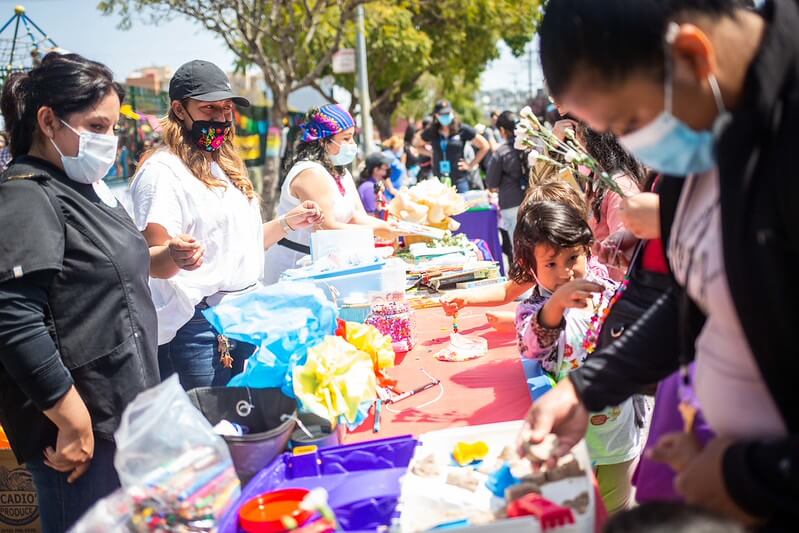
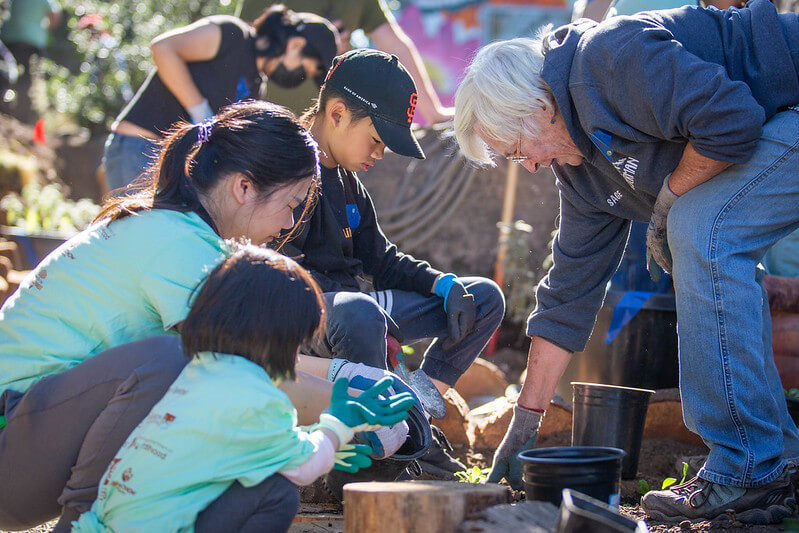
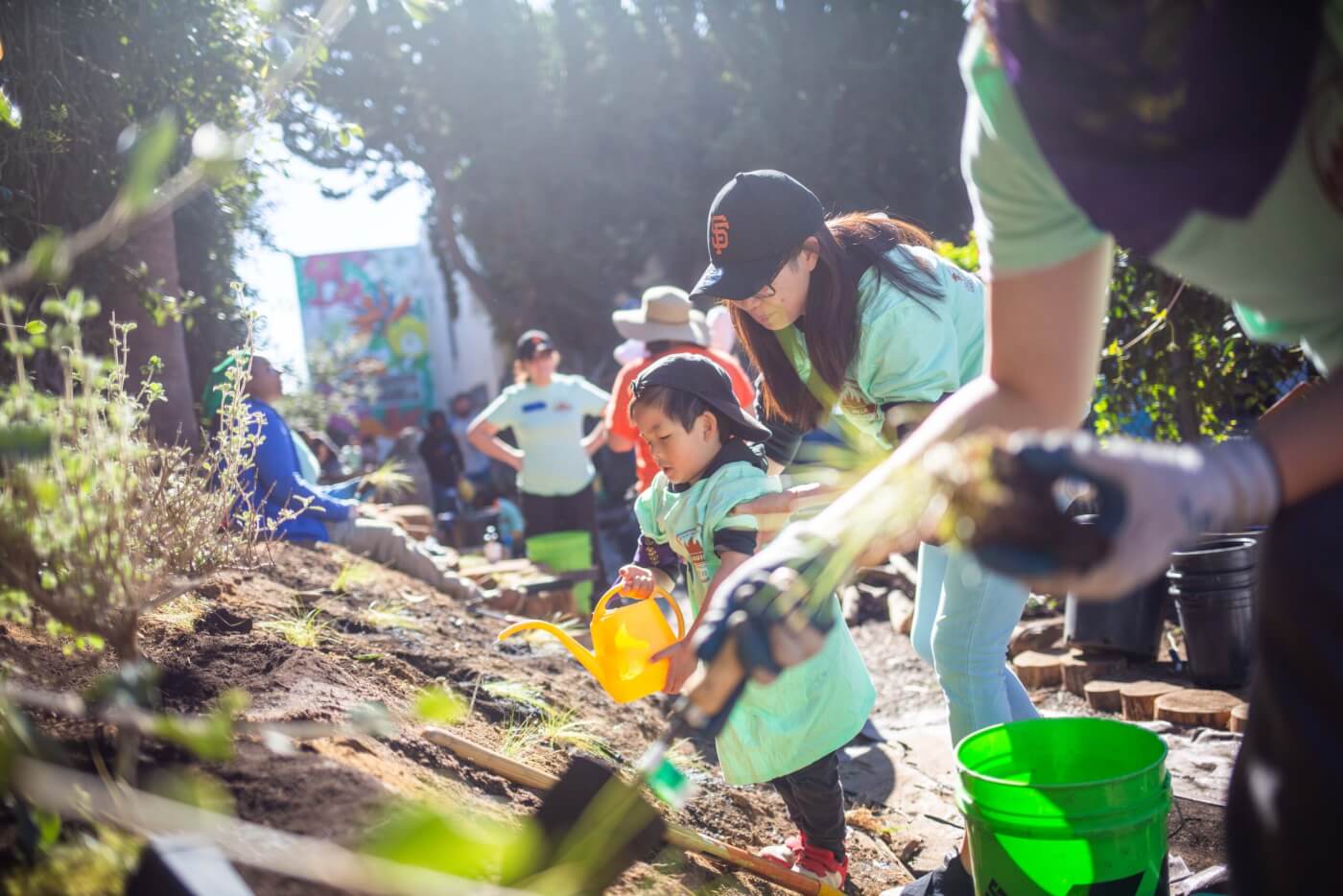
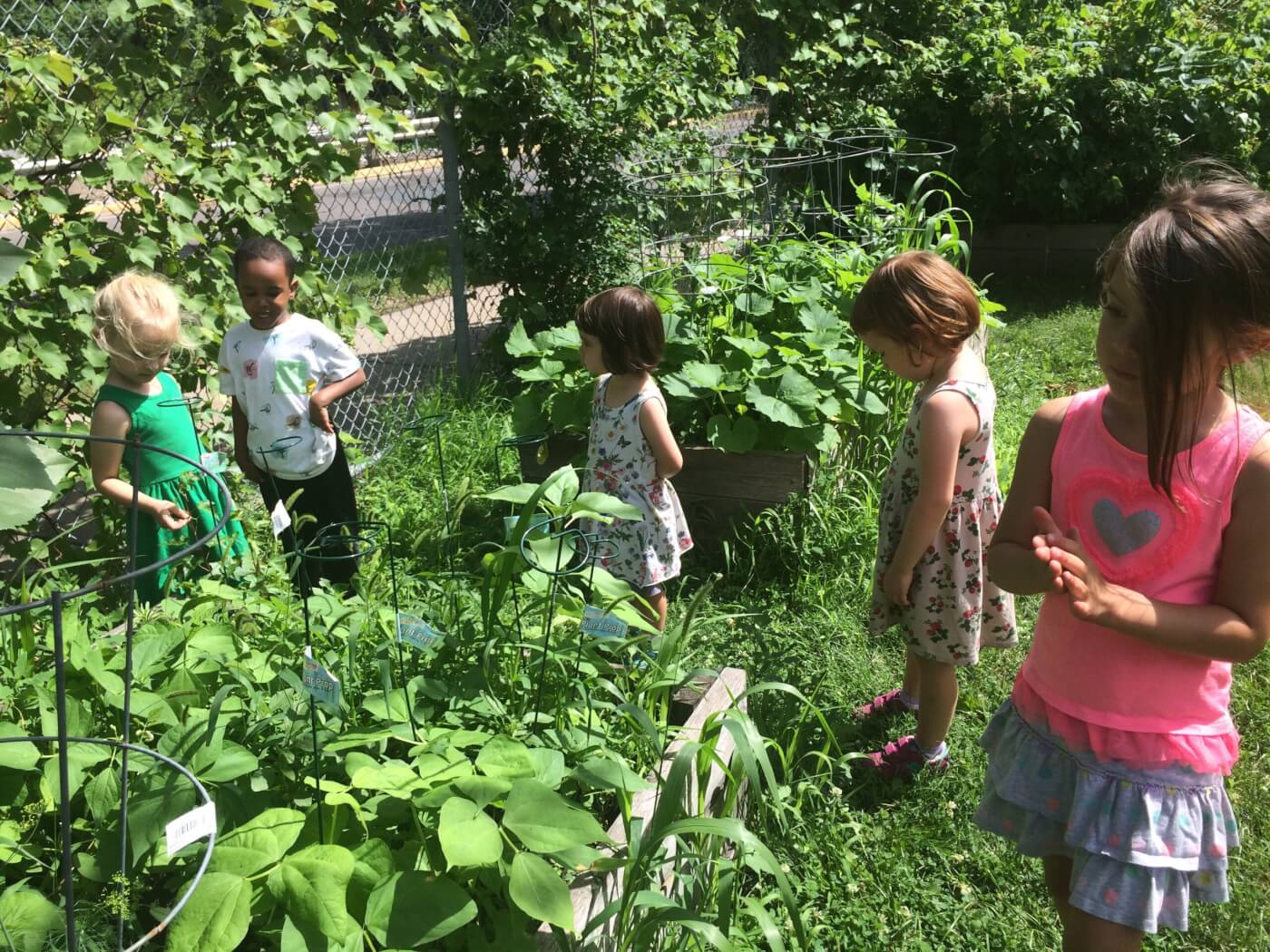
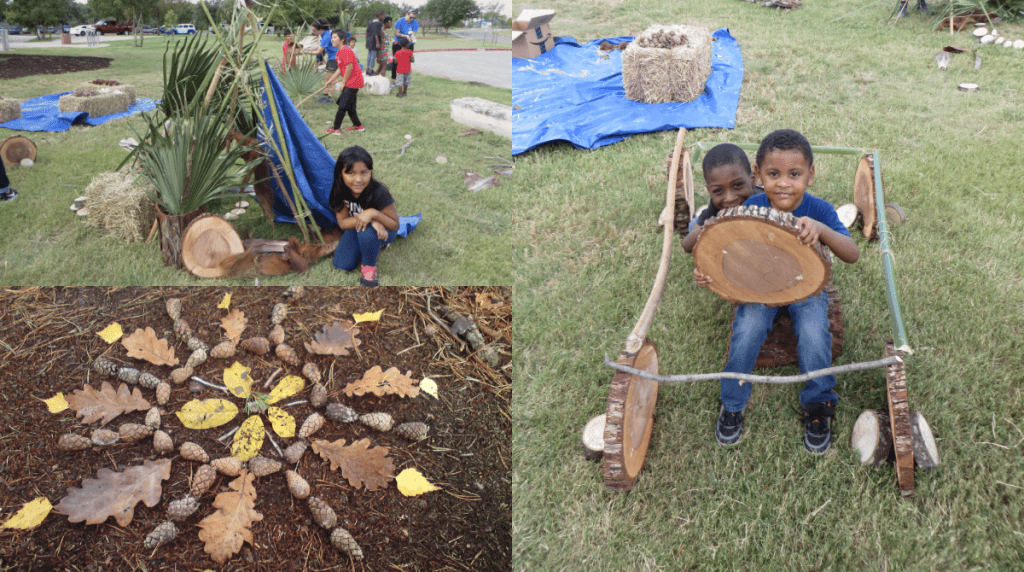
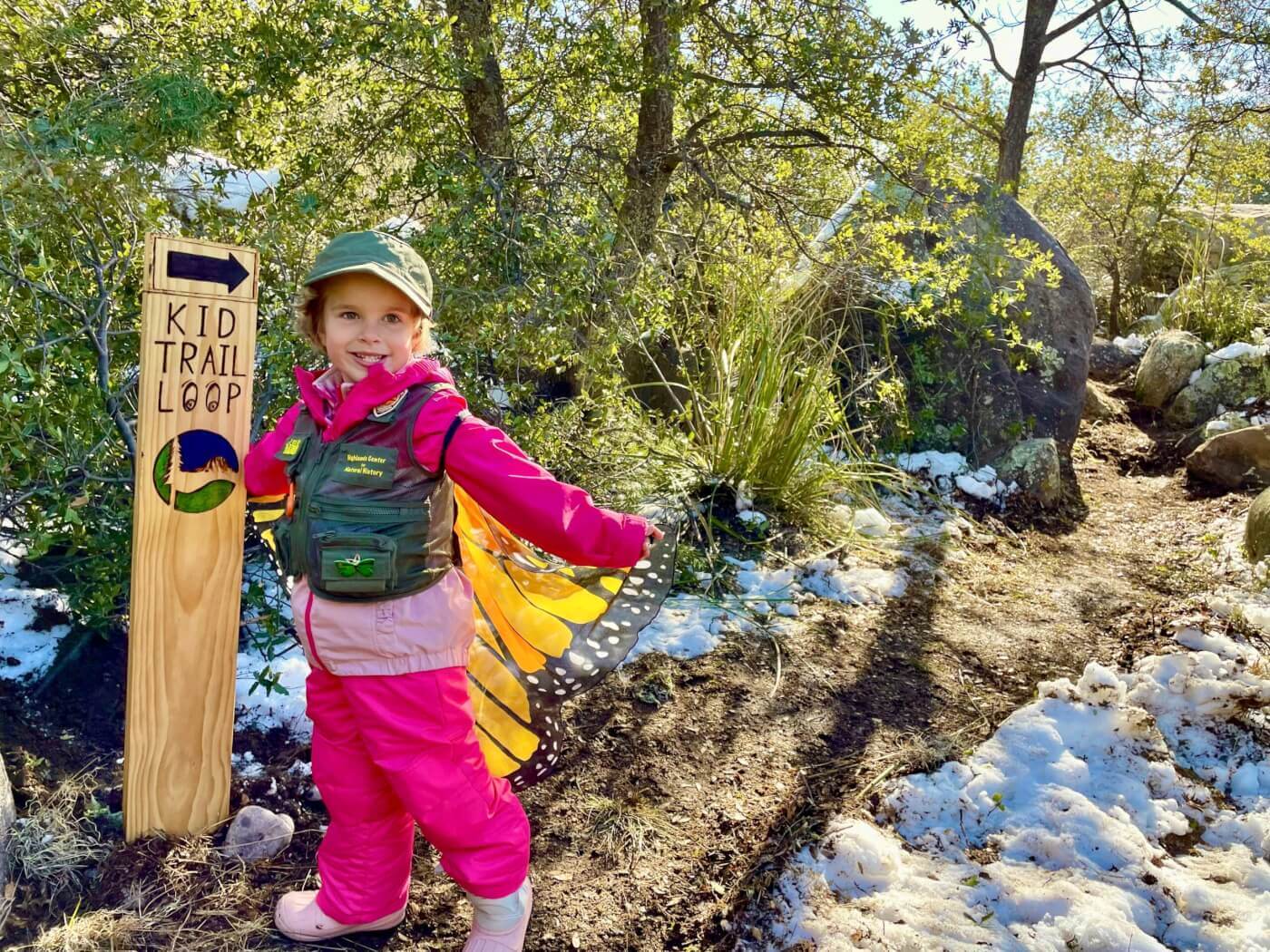
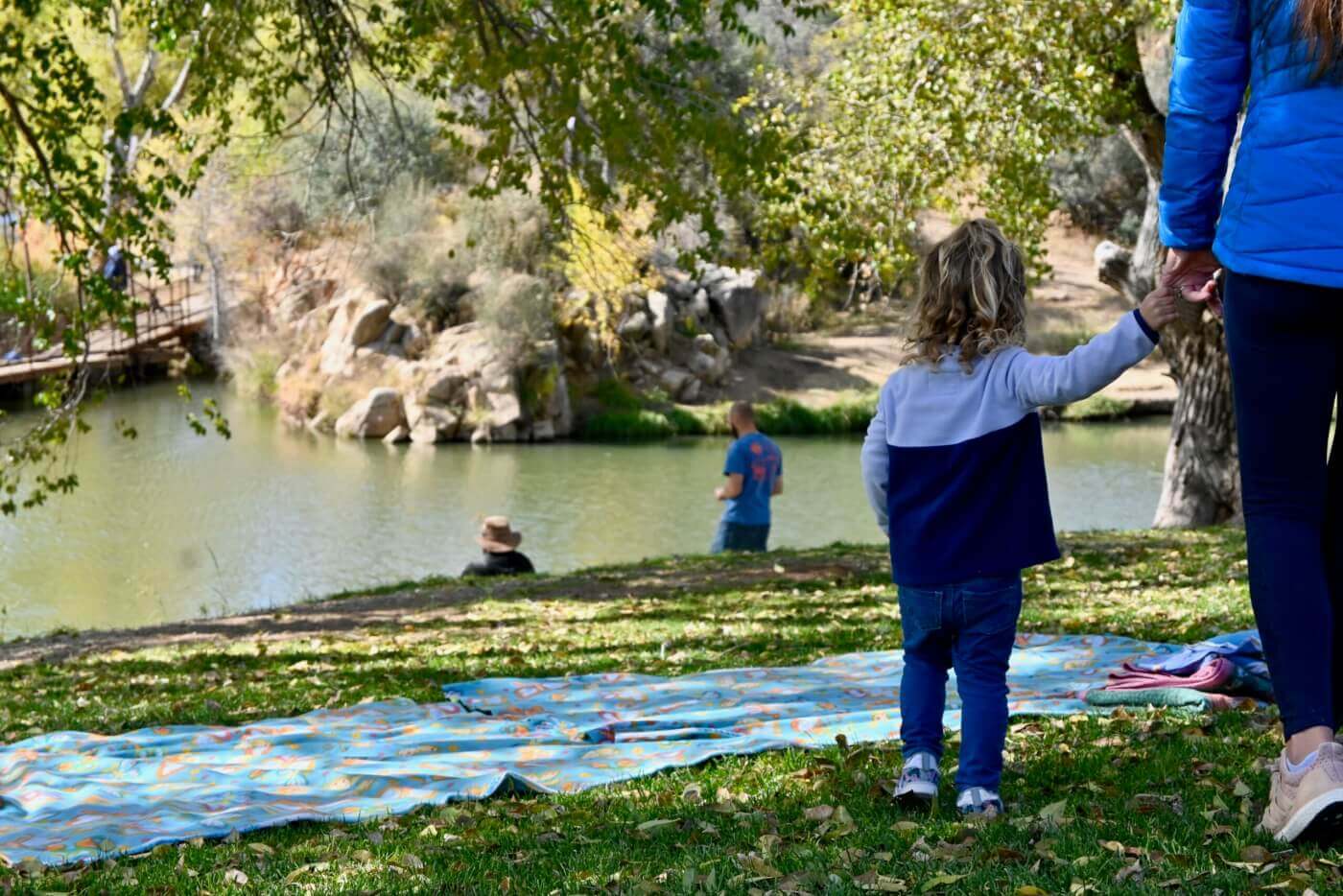
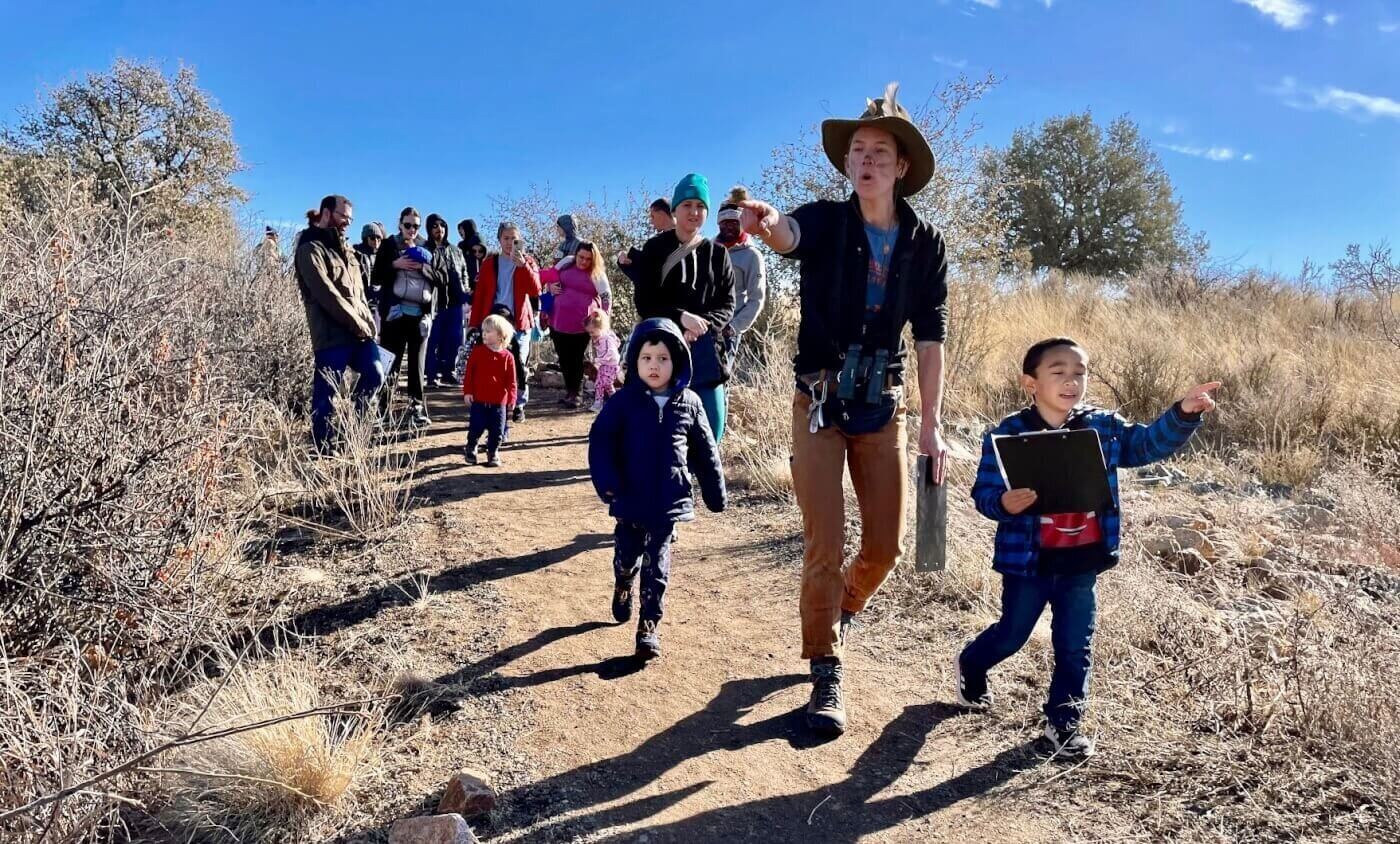
Bringing nature spaces to life takes more than just building them. It requires thoughtful programming that helps children, families and caregivers connect with nearby nature in meaningful ways. The early years are a vital time for nurturing curiosity, empathy and awareness of the natural world, and outdoor experiences offer powerful opportunities for growth and well-being.
When families spend time outside together, they build comfort, confidence and a sense of connection to nature that lasts beyond any single program or visit. Because early learning happens everywhere — at home, in neighborhoods and in community spaces — families play a key role in helping young children feel welcome and at home in nature.
This section looks at how communities can activate nature spaces through inclusive programming and family engagement efforts that strengthen child development, foster belonging and help every child and caregiver experience the benefits of nature.
Family and caregiver engagement begins with recognizing that the adults in children’s lives shape how they experience and understand the world. Their comfort with nature — and their opportunities to explore it — directly influence how young children connect with the natural environment.
Nature-based activities, from simple neighborhood walks to exploring local parks or community gardens, nurture children’s physical, cognitive, emotional and social development. When families and caregivers share these experiences, they strengthen relationships built on trust, curiosity and joy. These shared moments in nature also help adults slow down, reduce stress and build confidence in supporting their children’s outdoor play and learning.
Family and caregiver engagement transforms nature-based learning from an activity that happens in classrooms or programs into something that becomes part of everyday life. It helps ensure that what children experience outdoors — at school, in child care or through community programs — continues at home and in their neighborhoods.
Communities can support this work by taking the following approaches:
Codesign programs and nature spaces with families and caregivers
One of the most effective strategies is to involve families directly in shaping both programming and physical spaces. When families and early childhood professionals cocreate together, they help ensure activities and environments are culturally relevant, accessible and responsive to real needs.
The single biggest opportunity to connect young children to nature occurs in early childhood centers, programs and home play yards. Caregivers in these settings, both educators and family members, play a vital role in shaping environments that nurture curiosity and belonging. To do so effectively, they need scaffolded support and practical guidance on design strategies that align with child development and family engagement goals.
- Gather input through surveys, design workshops or listening sessions to identify and address barriers such as cost, hours, transportation and language access.
- Partner with trusted community organizations to reach families who may not typically be represented in planning processes.
- Use multilingual materials and hold meetings in familiar, family-centered spaces.
- Explore resources and online training from the Natural Learning Initiative, which provides guidance on creating nature-rich environments for young children.
Nature-based programs are stronger when they reflect the traditions, stories and seasonal rhythms of the families they serve.
- Invite families to share how they connect with nature through food, music, gardening or seasonal celebrations.
- Incorporate these cultural connections into events and activities that celebrate the diversity of ways families experience the natural world.
- Ask for feedback on how programs can feel more welcoming and relevant to different cultural perspectives.
Design inclusive, family-friendly nature spaces
Thoughtful design helps families feel welcome and comfortable spending time outdoors.
- Include shaded areas, seating, safe pathways and sensory-rich play features that support young children’s developmental needs.
- Reflect community languages, imagery and aesthetics in signage and design to create a sense of belonging.
- See the Early Childhood Infrastructure section of this toolkit for more information on designing inclusive nature playspaces.
Integrate family and caregiver engagement into early childhood systems
Rather than treating family engagement as an add-on, embed it within early childhood systems and programs.
- Encourage schools, child care providers and city agencies to make caregiver engagement a consistent part of planning, implementation and evaluation.
- Provide educators and program staff with training on how to meaningfully involve families in nature-based learning.
- Recognize and celebrate families as coeducators and community experts, not just participants.
When families and caregivers are welcomed as partners in nature-based learning, they gain confidence, children gain consistency and communities gain deeper, more lasting connections to the natural world.
Creating meaningful nature connections for young children requires more than providing access to greenspaces — it’s about activating those spaces through intentional programming that invites exploration, learning and belonging. Communities can bring nature to life in many settings, from parks and greenways to libraries, community gardens, child care centers and nature centers.
Local governments, nonprofits and community partners can work together to embed nature-based programming into early childhood systems, making these experiences part of the everyday fabric of community life. Programs can take many forms — child-focused or family-focused, free or low-cost, brief seasonal offerings or ongoing initiatives. What matters most is that they are inclusive, developmentally appropriate and responsive to local needs.
Communities can consider the following approaches:
- Partner across sectors: Parks and recreation departments, libraries, child care programs, public health agencies and nature-based organizations each bring unique expertise. By working together, they can share resources, colead programming and reach more families. For example, a library might partner with a local park to host story walks or family nature days, while parks staff offer professional development for early educators.
- Integrate nature into existing programs: Instead of creating new initiatives from scratch, look for ways to weave nature-based activities into existing programs like family literacy events, Head Start or parent education classes. This builds sustainability and helps normalize nature connection as part of early learning.
- Support nature-based schools and preschools: Nature preschools and forest programs represent a growing model of early education in which children spend significant time outdoors in natural environments. These programs use nature as the setting and subject of learning, helping children develop across physical, cognitive, and social-emotional domains.
- Make programs visible and accessible: Ensure families — especially those with limited access to greenspace — know about opportunities through coordinated outreach, community ambassadors and shared information hubs. Provide programs in familiar spaces and languages, and consider transportation, cost and scheduling to remove barriers.
When programming and partnerships are rooted in collaboration and inclusion, nature spaces become living classrooms that reflect the needs, cultures, and rhythms of the communities they serve.
Baltimore, MD
Carrie Murray Nature Center integrates family engagement as a core component of its nature-based educational approach. The program fosters collaborative learning by inviting parents and caregivers to share knowledge, stories and skills. This model reflects a deep commitment to whole-child family development, community development and environmental stewardship.
Woodinville, Washington
Woodinville Family Preschool actively involved parents in the development of their Nature Explore Classroom. Families worked with staff to design and construct key outdoor features, such as garden boxes, a playhouse, a seasonal garden and fruit trees. Families also participated in planting and maintaining the gardens, helping to create a space where nature is thoughtfully integrated into both play and structured activities.
Boise, Idaho
The Boise Environmental Education (BEE) partnership provides preschool and family programming through partners The Jim Hall Foothills Learning Center (FLC), Community Forestry, Boise Urban Garden School (BUGS), Boise WaterShed, Public Works air quality programs and Zoo Boise. Two city-sponsored nature preschools support key strategies to enhance early childhood education and climate action. The Boise Parks and Recreation Department operates the Boise Outdoor Preschool at FLC and BUGS, which focuses on gardening and sustainability. Both offer half-day programs three days a week and a Friday drop-off program. Tuition for these programs is lower than private nature preschools programs and scholarships are available.
Louisville, Kentucky
Louisville ECHO is a partnership between Jefferson Memorial Forest, the Natural Areas Division of Louisville Parks & Recreation and Wilderness Louisville, Inc. The program seeks to create “cradle-to-career” access to nature for young people in West and South Louisville. ECHO consists of four complementary components: nature play with the ECHOmobile traveling box truck, in-school programming and field trips, out-of-school time programming with partner community centers, and a summer job component for youth ages 16 to 21. ECHO serves approximately 2,500 youth every year and is funded by local, federal and private foundations.
Prescott, Arizona
Nature Niños Prescott is a bilingual initiative improving equitable access to parks and trails for Spanish- and English-speaking families with young children through direct service, policy and infrastructure change. Launched by the City of Prescott, Yavapai County Community Health Services and the University of Arizona Cooperative Extension, it now includes more than 19 partners — from Arizona’s early childhood agency, First Things First to the Arizona Children’s Association and local environmental nonprofits. City park rangers and community partners lead monthly, child-centered outdoor programs on family-friendly trails, featuring story times, activities, scavenger hunts, Leave No Trace lessons and healthy snacks for families to enjoy together.
Emerging Programmatic Examples
Innovative programmatic examples include Oregon’s OutGrown and Project Nature in Washington, which utilize a Park Rx model to connect families with nature from the start.
 Nature Activity Cards
These Nature Activity Cards are a great way to get started having fun in nature with family and friends. Each set of cards has a suggested age group (2-6 years old or 7-11 years old) and a theme.
Read More Families Together in Nature Group Planning Guide
You don’t have to be an expert naturalist, or do it all alone. We’ve created this toolkit to help you plan and share outdoor experiences with like-minded friends and families who are yearning for “more green, less screen.”
Read More
Nature-Smart Libraries: A Toolkit
Highlights innovative, Nature-Smart Library initiatives nationwide, showcasing how libraries can collaborate with cities, parks, and community partners to expand nature access.
Read More
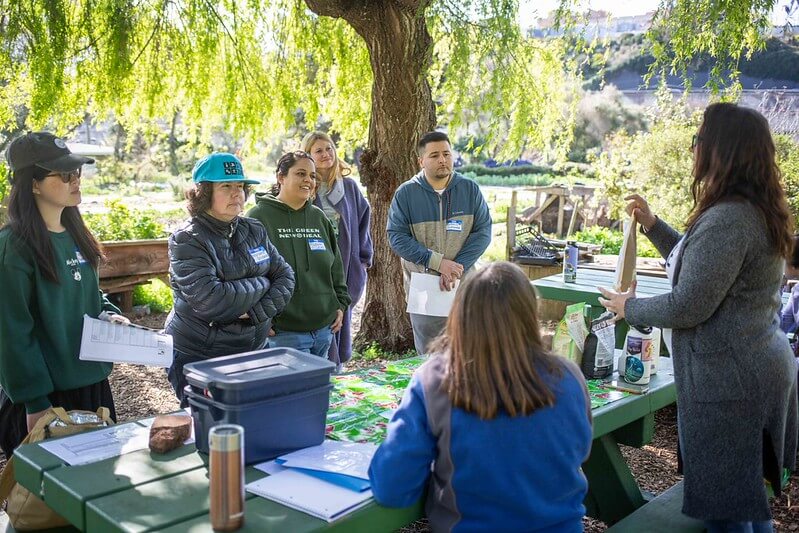
In order to successfully integrate nature-based learning and play into the lives of children age 0 to 5, educators and caregivers need training and resources. This includes access to high-quality training, peer support and systems that recognize and value nature-based approaches.
This means going beyond one-time workshops and investing in aligned, sustainable systems. Nature-based learning and play should be embedded into early learning standards, training pipelines and professional development structures that are relevant across diverse early childhood settings. It also means recognizing how nature connects to health, family engagement and social-emotional development — making it meaningful not just for educators, but also for those who support children and families in other settings.
The early childhood workforce is diverse, and while many professionals share common needs—such as confidence using outdoor spaces and grounding in developmentally appropriate practice—they also require tailored support that reflects their specific roles and contexts. For example, child care providers may need help connecting nature-based strategies to curriculum goals; home visitors may seek resources to share with families in varied home environments; and librarians might focus on nature storytelling or kits. Recognizing these distinctions is key to building a professional development system that is relevant, accessible and responsive to the full ecosystem of adults shaping young children’s early experiences.
While many may recognize the importance of professional development in nature connections, few, if any, nationally available training curricula and protocols exist. This section breaks new ground in laying out key principles and guidance for professional development opportunities.
For early childhood professionals already working in the field, access to engaging, practical and developmentally appropriate training is essential to help them confidently and meaningfully integrate nature into their daily practice. This includes professional development that highlights how nature supports whole-child development, aligns with early learning standards and curriculum goals and reflects the realities of diverse program types, from center-based care to home visits.
Too often, nature-based approaches are treated as optional or extracurricular interests that professionals pursue on their own. To shift this narrative, communities must intentionally embed nature-based content into the professional learning experiences already valued by the field. Communities should consider the following strategies:
- Meet state or local training requirements: Ensure nature-based professional development counts toward required hours, CEUs or licensing renewal to support formal recognition and integration into existing learning pathways.
- Include administrators and site leaders: Engage directors and supervisors in trainings to build shared understanding, increase buy-in and support implementation at the program level.
- Support long-term growth: Move beyond one-off workshops by offering ongoing Communities of Practice, mentorship or coaching models that deepen and sustain learning.
- Make participation accessible and equitable: Reduce participation barriers by providing stipends, offering child care and holding sessions during regular work hours or other accessible times.
- Cover key nature-based topics, such as:
- Navigating outdoor time in all types of weather
- Designing and enhancing nature-rich indoor and outdoor environments (See Early Childhood Infrastructure section)
- Supporting children’s risky play, sensory engagement and self-regulation through nature
- Strengthening cultural and community connections to nature
To create lasting, systems-level change, nature-based learning and play must be embedded into the foundational training that prepares people to enter the early childhood field. This includes equipping future educators, home visitors and other child- and family-serving professionals with the knowledge, skills and mindsets to confidently integrate nature into their daily work from the very beginning of their careers.
While examples of fully integrated nature-based training pathways are still emerging, we can look to broader workforce development research and successful models in other areas of early childhood education to guide our approach. Embedding nature into formal training pipelines is a promising practice that supports long-term sustainability, expands equitable access to high-quality preparation and reinforces that nature is not an “extra” but a core component of quality care and learning.
Communities should consider the following strategies:
- Incorporate nature-based learning and play into early childhood degree and certification programs: Collaborate with universities, colleges and alternative certification pathways to include nature-based content in coursework, field practicums and credentialing requirements.
- Develop nature-based endorsements or specializations: Encourage states or higher education institutions to offer nature-based specializations, certificates or stackable credentials that deepen knowledge and create professional recognition.
- Partner with educator preparation programs: Build relationships with teacher prep programs, community colleges and apprenticeships to codesign or pilot training modules grounded in outdoor learning and developmentally appropriate nature-based pedagogy.
- Create career pathways for outdoor educators to enter early childhood education:Support outdoor or environmental educators in gaining early childhood credentials, helping to grow and diversify the workforce with individuals already experienced in nature-based teaching.
To truly support and sustain a confident, well-prepared workforce, nature-based learning and play must be embedded into the broader systems that shape early childhood practice. These systems don’t just guide program operations, they also shape what’s expected, rewarded and resourced for early childhood professionals.
While many of these strategies intersect with broader policy and funding considerations (explored further in the Public Policy and Funding section), they are critical to building workforce capacity.
Communities should consider the following strategies:
- Align nature-based practices with state early learning guidelines and standards: Support educators by showing how nature-based practices advance learning goals across domains such as social-emotional development, executive function and early literacy. Provide examples and crosswalks to clarify and make alignment actionable.
- Include nature-based learning and play in licensing and regulatory language: Work with licensing agencies to clarify or update language that supports outdoor learning, especially guidance on supervision, materials, risky play and outdoor time across weather conditions. This helps educators and administrators feel confident they are operating within regulatory expectations.
- Invest in leadership and coaching infrastructure: Build workforce capacity by supporting site leaders, mentors and coaches who can champion nature-based practices and guide implementation across teams and settings.
- Ensure funding structures support time for learning and implementation: Advocate for systems that fund substitute coverage, paid professional development time and stipends for participation — so educators are compensated for building their skills and capacity.
While every state and community will have unique needs and entry points, a coordinated approach is essential to fully integrate nature-based learning and play into professional development systems and workforce capacity building. The steps below provide a roadmap for executing this on the ground with an emphasis on cross-sector collaboration and systems alignment, specifically in regards to workforce capacity. Visit the Foundational Steps section for further details related to early childhood across the board.
Key steps include:
- Identify the full early childhood ecosystem: Consider the wide range of professionals who support young children, including:
- Teachers, center directors and family child care providers
- Home visitors, family support specialists and community health workers
- Librarians, museum educators and pediatric staff
- Map local professional development and nature-based providers
- Who currently offers approved professional development to early childhood education professionals?
- Which organizations provide nature-based learning and play opportunities or training?
- Where is there existing overlap — or untapped potential for collaboration?
- Facilitate cross-sector partnerships: Connect early childhood education trainers, nature-focused nonprofits and higher education institutions to codevelop and deliver relevant training opportunities that reflect the needs of local providers.
- Engage system leaders and influencers: Collaborate with administrators and decision-makers in QRIS systems, licensing bodies, Pre-K initiatives and state professional development registries. Their buy-in is essential for long-term systems change.
Texas Outdoor Learning Environments (OLE!) Initiative
Through Outdoor Learning Environment (OLE! Texas), a statewide initiative, the Texas Department of State Health Services and partners are working to transform outdoor spaces at early childhood education sites while also building workforce capacity across the state. In partnership with Texas Children in Nature Network, the initiative offers professional development through an Outdoor Learning Environments Early Childhood Education Professional Network and a Professional Learning Community that supports Quality Rating and Improvement System (QRIS) standards. These training sessions focus on the benefits of outdoor play, how to design supportive outdoor learning environments and strategies to implement nature-based learning in daily routines. By aligning training with state standards and offering it through trusted professional development providers, OLE! Texas ensures that nature-based practices are accessible, relevant and integrated into the broader early childhood system.
San Francisco Children & Nature Professional Development and Coaching
San Francisco Children & Nature partners with early childhood programs to expand access to high-quality outdoor learning environments — particularly in underserved neighborhoods. The designs for outdoor playspaces are cocreated with educators and administrators to support educational goals and sustain outdoor learning opportunities over time.
As part of the strategy, child care sites receiving outdoor infrastructure investments also receive a full year of professional development and coaching for educators on best practices in nature-based early childhood education and child development. These sessions build educator confidence and capacity to use outdoor spaces intentionally. Training is focused on equitable nature access, outdoor pedagogy and child development. By pairing infrastructure improvements with sustained professional development, San Francisco ensures that new nature spaces are not only built — but also fully activated by a skilled and supported early childhood workforce.
This program is made possible by the Low Income Investment Fund (LIIF), with funding from the Department of Early Childhood (DEC), and in collaboration with the San Francisco Recreation & Park Department and San Francisco Children & Nature.
Nature Play Champions Professional Development Series
In 2025, the Low Income Investment Fund (LIIF) provided Nature Play Champions, an 8-month training series for early educators in San Francisco, California, cultivating a community of educators who are now better equipped to bring the wonders of nature into the lives of young children every day. The program was made possible through funding from the Mimi and Peter Haas Fund and in partnership with San Francisco Children & Nature and San Francisco Parks and Recreation. Starting with a full-day conference in October 2024 and extending through five additional evening sessions, the training explored topics such as the benefits of nature for children’s development, the power of loose parts and learning invitations, the value of risky play, and the potential of outdoor environments to deepen children’s engagement and curiosity. Each session offered hands-on learning, meaningful reflection and practical strategies for immediate classroom use. As the series came to a close, participants left with not only enhanced knowledge and tangible resources, but also a renewed passion and confidence to continue championing nature play in their schools.
In total, 85 educators participated in Nature Play Champions throughout the series: 38 center-based teachers and 47 Family Child Care educators. Thanks to San Francisco Children & Nature, each participant received a nature kit with a guide and open-ended materials to enhance nature play.
Mass Audubon Professional Development for Early Educators
Across Massachusetts, Mass Audubon works directly with early educators and their schools to create lasting and impactful change around incorporating nature- and farm-based learning into their curriculum. Workshops are inquiry-based, rooted in early learning theory and designed to align with educators’ daily routines. They offer a range of topics, including a basic introduction to what teaching children outdoors looks like, logistical support for making nature work within a school’s resources, integrated curriculum development around nature, and gardening and cooking with young children
In the 2024-2025 school year, Mass Audubon reached more than 1,500 early educators, facilitated over 80 workshops nationwide and provided more than 170 hours of consulting services. They also partnered with more than 15 schools on comprehensive, whole-school change efforts to increase nature play and outdoor learning.
Mass Audubon also offers a long-term support model known as Seasonal Early Education Discovery & Science (SEEDS). Through this program, educators collaborate with Mass Audubon experts through modeling, coaching and mentoring to integrate nature-based or garden-based learning into their existing curriculum across the seasons. Participants gain practical, age-appropriate tools and classroom resources that support across developmental domains, from social-emotional learning and literacy to STEM and motor skill.
North Carolina State University Natural Learning Initiative
The Natural Learning Initiative (NLI) at North Carolina State University supports early childhood educators and designers through evidence-based design resources focused on creating high-quality outdoor learning environments. NLI offers professional development opportunities including certificate programs, workshops and webinars on topics such as nature play, outdoor space design, and how thoughtfully designed environments support early learning and healthy development.
These trainings are tailored for early childhood educators, technical assistance providers, non-formal educators in parks and nature centers, Cooperative Extension professionals, and others who support young children’s outdoor play and learning. The training provides planning tools, design guidance, and practical strategies to help participants improve outdoor learning environments in ways that align with child development and program goals.
Washington State Outdoor Nature-Based Child Care Programs
Washington State became the first state in the U.S. to license outdoor, nature-based child care programs, following a four-year pilot launched by the Department of Children, Youth & Families (DCYF) in 2017. The new licensing pathway allows programs that offer nature-rich curricula for at least half the day to become fully licensed—enabling both access to public subsidies and full-day outdoor programming.
To support providers in meeting these standards, DCYF developed specialized training requirements and technical assistance as part of the licensing process. This includes orientation and competency-based training to ensure educators understand how to safely facilitate nature-based learning. The training covers areas like risk management, outdoor supervision and developmentally appropriate nature pedagogy. These supports are essential to building educator confidence and capacity to deliver high-quality outdoor learning experiences.
Washington’s model aligns workforce development with systems-level reform — ensuring nature-based early childhood education programs are not only recognized by regulatory structures, but also supported through targeted professional development and capacity-building.
United Way of Tucson and South Arizona Great Expectations Program
In Pima County, Arizona, early childhood educators are supported through Great Expectations, a county-wide professional development initiative that uses a Community of Practice (CoP) model to foster deep learning and systemic change. Great Expectations is a grant-funded program supported by First Things First, a state-wide early childhood organization that receives tobacco tax revenue. United Way of Tucson and Southern Arizona is the lead grantee and partners with other local organizations to provide 12 different CoPs on various topics, serving approximately 500 early childhood educators each year. One of its featured CoPs, “Nurture Through Nature,” focuses on helping practitioners authentically connect children to the natural world — both inside and outside the classroom. Educators meet monthly from August to June in accessible, flexible settings for hands-on sessions rooted in child development, nature pedagogy and culturally responsive practice. Participants also receive individualized coaching and set personalized professional development goals. By embedding nature-based learning within a broader, research-informed professional development system, Pima County is cultivating confident, curious educators equipped to bring the outdoors into early childhood settings in meaningful and developmentally appropriate ways.
Equitably connecting young children to nature means supporting caregivers, expanding access to nature-based play spaces, and strengthening programs and policies to reach more children. Progress depends on four foundational steps:
- Adopt a systems-change perspective
- Build a cross-sector team and engage stakeholders
- Assess assets and gaps
- Set a clear vision and goals
In addition to these four foundational steps, it is important to consider how climate resilience connects to early childhood strategies. Many communities are addressing several goals and incorporating nature into early childhood systems can help achieve climate resilience goals while also improving early childhood outcomes.
This Foundational Steps section of the Nature in Early Childhood Toolkit draws on over a decade of city partnerships nationwide. These proven steps are essential for building effective early childhood nature connection strategies.
Young children can connect with nature in many spaces, such as in parks and public spaces, in child care settings, in their yards or on a walk on a tree-lined street. To deepen the effectiveness more equitably, Nature Everywhere Communities recommends a systems change approach. This approach addresses factors such as policies, funding and power dynamics while shifting mindsets to raise aspirations. This often means changing the way leaders and a range of stakeholders view the role of early childhood settings in bringing the benefits of nature to local children. It also means ensuring young children are prioritized in policies, plans and budgets.
Equitable Access to Nature: A Systems Change Approach (video)
Early childhood nature connection strategies thrive through partnerships with parks departments, early childhood agencies, sustainability offices, school districts and more. These collaborations may take shape through official partnership agreements, shared vision statements, strategic plans and resource-sharing. Ideally, the collaborations are endorsed by city leaders, from city administrators to early childhood center directors to teachers. Identifying committed stakeholders strengthens alignment and fosters lasting partnerships, which ideally are maintained through regular (e.g., quarterly) meetings.
Engaging stakeholders helps align ECNC strategies with broader goals, maximize resources, and build connections with partners who value children’s well-being but are new to using nature connection as a tool. Nature Everywhere Communities Action Challenge: Gathering Stakeholders
This resource provides guidance on convening stakeholders, including city and county early childhood agencies, coalitions, provider groups, funders and organizations like United Way or First Five. It also includes case studies and recommendations for conducting effective stakeholder meetings.
Nature Everywhere Communities Action Challenge: Pledge of Support, Resolutions & Proclamations
For places seeking to connect young children to nature more equitably, the support of local government officials or school leadership can catalyze coalition building and action and build awareness. As illustrated in this resource, a pledge of support, resolution or proclamation can demonstrate the commitment of an individual leader or a leadership body.
Action Challenge: Building a successful cross-sector team
Nature Everywhere Communities strongly recommend forming a cross-sector team to plan and coordinate actions that establish and build out a local initiative. Given the push for systems change, it helps to broaden team membership beyond any one entity to ensure a variety of perspectives, representation, skills and backgrounds. This brief resource, developed for the NEC Action Challenge, defines a cross-sector team and looks at considerations for how to form a successful team.
Gathering Stakeholders
Cross-sector teams
Pledges of Support
Community assessments are a key step in any local initiative. They identify assets, gaps, opportunities and investment priorities across policy and practice. Landscape scans reveal shared goals, resources and collaboration opportunities to maximize impact.
Using tools like GIS mapping, assessments can identify neighborhoods where children and caregivers lack access to quality nature experiences, prioritizing areas of greatest need. Beginning with this “landscape mapping” helps teams analyze assets, gaps, opportunities and barriers.
Equity Mapping: Young Children & Nature
This resource provides a high-level overview of key considerations when conducting landscape scans for stakeholders, programs and experiences, and policies and funding within a community. Equity maps illustrate how nature is represented in a city in relation to key demographic, economic, and social data. Cities use equity maps to prioritize programming, funding and resources to areas most in need. This resource guide describes a step-by-step process for creating equity maps and provides several examples of the use of such maps for citing early childhood nature connection projects.
A note regarding public policy and funding: To the suggested lists of state and local public agencies to scan, add the early childhood agency(ies) responsible for distributing subsidies, licensing and assuring high quality. To the scan regarding federal-source funding, add Head Start.
Another key foundational step is showing how connecting young children to nature supports local priorities and goals for children, families and caregivers. Doing so helps create a shared vision and a set of specific goals for a local early childhood strategy. Alignment might focus on community well-being, early childhood literacy, caregiver job satisfaction, professional development or climate resilience.
Creating a Vision for Equitable Access to Nature
This resource guides stakeholders in creating a vision statement through public engagement by defining purpose, values and future ambitions. From this vision, communities can set clear goals, i.e., SMART goals (Specific, Measurable, Achievable, Relevant, Time-Bound).
Pursuing strategies to bring nature into early childhood systems needs to take local resilience planning and action into account. Local teams may well find mutually beneficial ways to advance young children’s nature connections and environmental resilience through a single project, for instance, by designing for stormwater absorption and heat mitigation, and by expanding the local tree canopy.
Climate Resilience and Nature in Early Childhood Fact Sheet
Climate Resilience and Children’s Nature Connection: A Toolkit
To grow and sustain nature in early child care and education, the public sector must play a role. A key goal is to make access to nature and outdoor learning a standard part of early childhood policy, licensing and funding. This section shares strategies and ideas to help engage public agencies and elected officials in advancing this work, including policy and licensing changes, securing funding and integrating nature into public early learning systems.
Promote the inclusion of nature in licensing and program standards
Integrating nature-based learning into state and local early childhood licensing frameworks can expand access and reduce barriers to outdoor learning. Licensing regulations for child care and pre-K typically set health and safety requirements — and sometimes specify what activities and spaces are allowed. While most states require some outdoor time, many restrict programming in natural or unbounded spaces.
Momentum is growing to “naturalize” these requirements. The Natural Start Alliance is leading the work in this area, and provides a myriad of tools to support state agencies, providers and advocates in their efforts. As an example, Washington was the first state to license outdoor and nature-based programs and create nature-based learning competencies, which are available in English, Spanish and Somali. Several other states, including Michigan and Oregon, have implemented or are implementing outdoor and nature-based child care regulations.
Expand access to early childhood-friendly public spaces
Building supportive policy begins with conducting an assessment or policy review of statutes, zoning, land use and liability rules to identify barriers and opportunities for outdoor learning. This assessment should include information on how providers can utilize public facilities and lands, as well as any policies related to liability. Acknowledging opportunities for growth and development is important. These assessments can also connect children’s access to nature with broader city and state public planning processes and documents, including plans for local and state sustainability, neighborhood or urban improvement, parks, weather and climate adaptation, school district levies or bonds, and more.
There are several strategies to embed nature and related activities into public spaces and facilities. For more information, explore the Early Childhood Infrastructure section.
- City nature centers: Develop toddler- and preschool-specific programs like story times, garden activities and nature walks —and ensure they are culturally relevant. In Kentucky, the Louisville ECHO program, a partnership between parks and community organizations, provides “cradle-to-career” nature access for 2,500 youth annually through public and private funding.
- Community and recreation centers: Integrate outdoor play and green spaces into child care, homeschool and summer programs. In Austin,Texas, partners created Nature Play Guidelines to guide nature play in public spaces.
- Libraries: Create Nature-Smart Libraries that pair literacy with outdoor learning. In San Antonio, Texas, Little Read Wagon helps parents of children ages 0 to 5 promote nature play at home using natural materials like tree cookies, rocks and sand.
- Nature Preschools: Preschool and child care programs with programming that is outdoor full-time or nearly full-time are known as ‘nature preschools.’ City-funded programs, either by the public or private sector, could support current and new nature preschools.
Advocate for public investment in nature access and inclusion
Increasing access to nature for young children requires strong coalition-building, both within the nature-based early childhood education (ECE) sector and across broader early childhood and policy networks. By embedding nature-inclusive policies into existing coalitions and creating dedicated local or state groups, advocates can build momentum for outdoor and nature-based (ONB) strategies. Education and promotion of nature-inclusive policies within these broader coalitions is key.
Advocate for public investment in nature access and inclusion
Increasing access to nature for young children requires strong coalition-building, both within the nature-based early childhood education (ECE) sector and across broader early childhood and policy networks. By embedding nature-inclusive policies into existing coalitions and creating dedicated local or state groups, advocates can build momentum for outdoor and nature-based (ONB) strategies. Education and promotion of nature-inclusive policies within these broader coalitions is key.
At the national level, the newly launched Outdoor and Nature-Based Early Care and Education Collaborative is developing advocacy strategies and model policies to strengthen efforts at every level. Additionally, the Youth Outdoor Policy Playbook (YOPP) provides policy ideas, current legislation and community spotlights on a range of topics related to children and nature, including ONB ECE.
Messaging matters. In today’s political climate, effective communication can help highlight how outdoor experiences improve children’s mental and behavioral health. For evidence and ready-to-use talking points, explore this research bibliography. It is important to understand your audiences and local community — messaging must be responsive to and aligned with local goals and experiences.
Public funding to include and promote outdoor learning and engagement
Programmatic and professional development funding
Funding and support from the public sector are limited, but growing. While there are a few public funding sources specifically designed for outdoor programs, most early childhood public funding streams have the ability to fund nature-based programming and professional development. Below are some ideas.
| Funding source | Description | Key considerations | Examples |
| Traditional ECE funding | Broad early childhood funding streams (federal, state, local). Nature can be embedded into existing program environments. | Training and support for providers is critical. Professional development is key. | Many traditional ECE programs use public funding to support nature-based activities. Most public funding streams do not prohibit nature engagement, though some regulations affect outdoor programming. |
| Outdoor ECE-specific funding | Limited direct funding, often through pilots or carved out of larger ECE funding streams. | Requires strong coalition-building and advocacy. Funding is often small and time-limited. | Pilot programs tied to learning and mental health outcomes, including the Washington State Outdoor Preschool Pilot, which received $317k per fiscal year in 2018 and 2019. |
| Park and library funding | Park and library departments sometimes support programming that includes nature. | Depends on local priorities and partnerships. | Partnerships between early childhood providers, parks, and libraries to support nature-based programming. |
| Private sector and philanthropy | Foundations and private funders can support programs and public policy efforts. | Helpful for proof points, but not a substitute for long-term public investment. | Pilot programs, advocacy initiatives, and demonstration projects. |
| Voter-approved tax initiatives | Ballot measures funding early childhood and youth development. | Not nature-specific but can include children and nature across political contexts. | Examples include Okeechobee County, FL; Jackson County, MO; Alameda County, CA. More background at the Children’s Funding Project. |
Facility and environments funding
Early childhood facilities, playspaces and outdoor environments often lack public funding; however, recent efforts have created new opportunities to support nature access in centers, family child care homes, parks and other green spaces.
| Funding source | Description | Key considerations | Examples |
| Early learning facility grants | State and local grants supporting ECE construction and improvements. | Embed nature for stronger applications and partner with technical assistance providers. | Washington State Early Facilities Program supports land acquisition and outdoor environments. |
| Local tax options | Revenue from local taxes or bond measures. | Strong potential through partnerships with schools, parks and conservation organizations. | San Francisco Prop C supports early learning and Children and Nature initiatives through funding managed by LIIF. |
| Technical assistance dollars | Funds used to design, build and maintain natural play and learning spaces. | Builds provider capacity for sustainable nature-based environments. | Supported by the National Wildlife Federation – Early Childhood Health Outdoors and the Natural Learning Initiative. |
Ensure early childhood programs include and promote nature access and outdoor learning
- State and Local Programs:
Publicly funded child care, pre-K and transitional kindergarten programs often include policies and professional development that support outdoor learning. These efforts encourage the use of on-site and off-site greenspaces, promote outdoor time, provide training for providers and integrate nature-based learning into standards. The National Institute for Early Education Research (NIEER) highlights how state-funded pre-K programs across the country are advancing outdoor engagement through policy and guidance. - Prenatal-to-3 programs:
Early supports for parents and young children can also integrate nature-based approaches. Training, materials and flexible funding can help embed outdoor engagement into services like home visits, play-and-learn groups and physician visits with new and expecting parents. There is very limited public policy related to prenatal-to-3 nature-inclusive programming, although there is burgeoning work in this space. For more information on programmatic examples, explore the Programming and Family Engagement section. - Nature and Quality Rating Improvement Systems (QRISs):
While state child care licensing sets the minimum standards for early learning programs, state and local QRISs define what high-quality looks like beyond that baseline. Most states have a statewide QRIS, and each state defines quality using different standards. The Texas Rising Star QRIS includes three standalone indicators in the outdoor learning environment category, for which programs can earn points toward their overall quality designation score. The Texas QRIS Classroom Assessment Form includes three related indicators:- P-OLE-01:
Outdoor environments support natural small groupings with activities that are linked to and reinforce indoor learning - P-OLE-02:
Outdoor environments provide children with the opportunity to care for living things and appreciate nature - P-OLE-03:
A mix of natural and manufactured materials encourages physical activity and active play, like balancing, climbing, crawling, pushing and pulling.
- P-OLE-01:

Cross-sector leaders launch national effort to advance nature-based play and learning in early childhood
Leaders want to engage the wider early care and education sector, funders and policymakers to advance nature-based experiences for young children.

Stumps, jumps and tree cookies: Bringing nature’s benefits to young children in cities
Explore how cities bring nature’s benefits to preschoolers using logs, tree cookies, and outdoor play to support health, learning, and connection for young children in urban settings.

Connecting Young Children to Nature: An Earth Day Goal for Every Day
Discover how cities can make nature a daily part of life for children ages 0-5 to support healthy development, environmental stewardship, and equitable access to green space.
Nature Everywhere Communities Newsletter
Stay on top the news, resources and research for city and community leaders working to increase equitable access to nature.
SubscribeThese resources were developed in partnership with
Copyright © 2025 by National League of Cities Institute, Children & Nature Network and KABOOM! All rights reserved.
DONATE TODAY TO BECOME A MEMBER
Help us make sure that all children live, learn and grow with nature in their daily lives.