
Protecting parks starts young: From a former park ranger
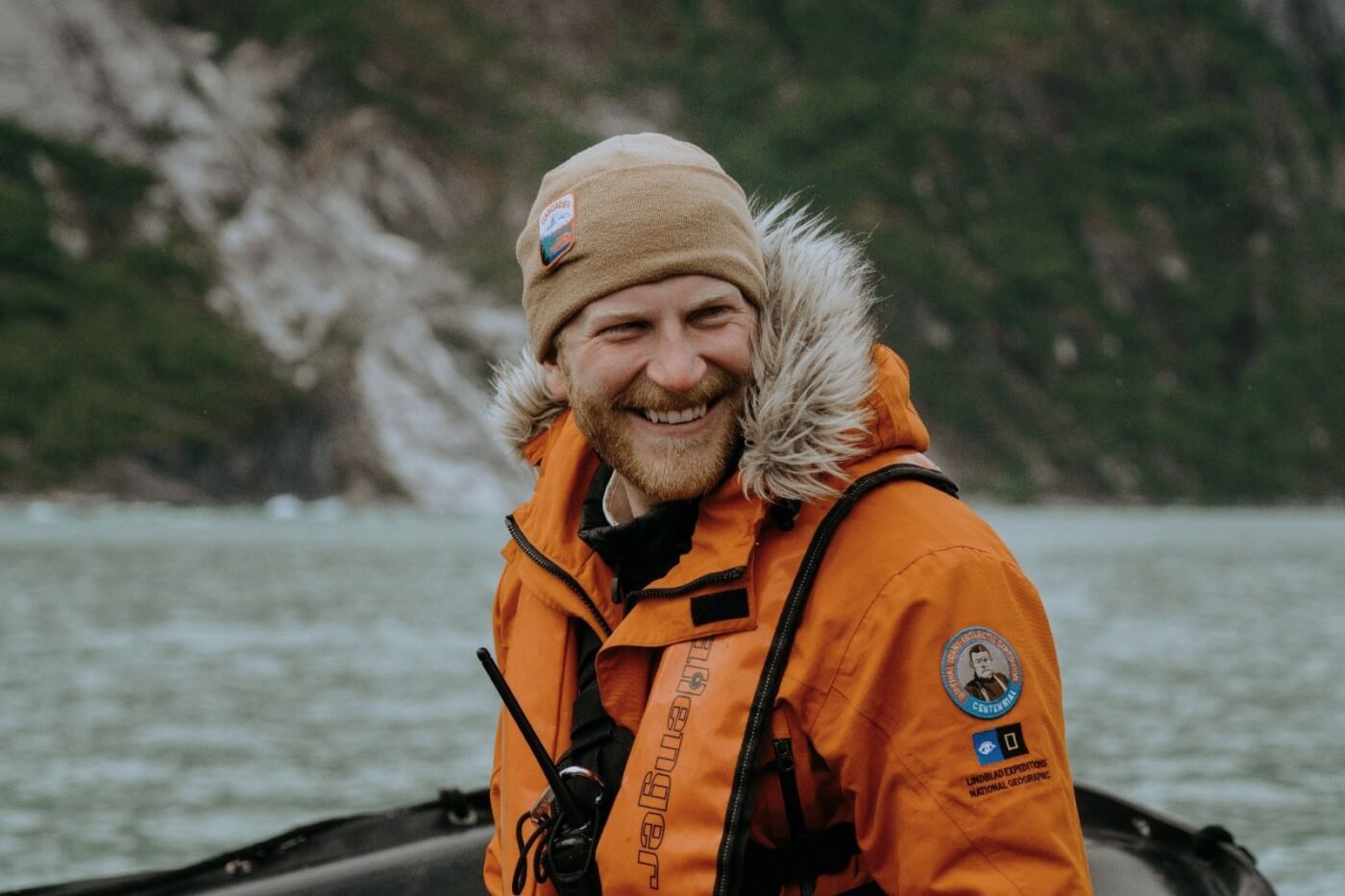
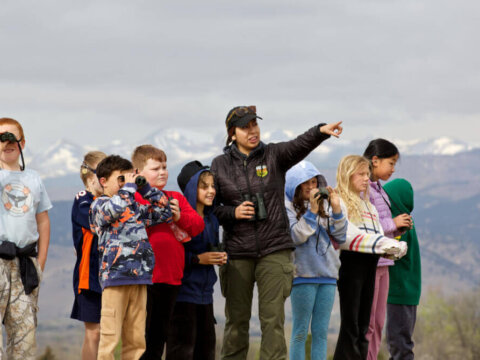
From the baking flats of Death Valley to the frigid fjords of Glacier Bay, the U.S. National Park System is made up of some of the most extreme and disparate landscapes in the world. But walk into any visitor center in the country and you can expect to see the exact same sight: a child, hand raised, adorned with wooden badges, being sworn in as a Junior Ranger.
When children visit a national park, they can pick up an activity book from a ranger, chock full of games, puzzles and interactive lessons that encourage the child to really connect with the story of the park. Activity books in larger wilderness parks will often focus on conservation issues and endangered species, while historical parks have specially designed programs to teach children about challenging topics like slavery or the Civil Rights Movement. Upon completion of the activity book and after attending a national park ranger’s program, children bring the book back to the visitor center and take a pledge with a ranger, promising to protect nature wherever they go and to teach others the lessons they’ve learned. They’re formally presented with a Junior Ranger badge, specific to each park.
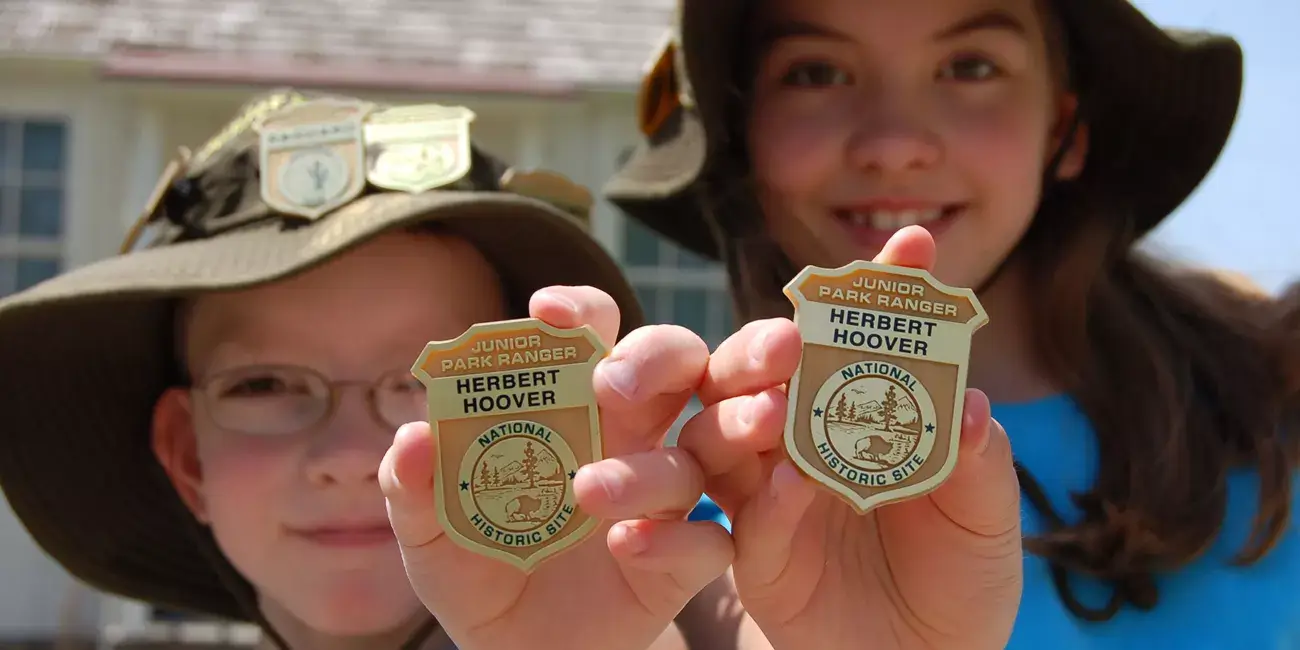
Two Junior Rangers at the Herbert Hoover National Historical Site, with their new badges — and a collection of other badges — visible. Photo by NPS.
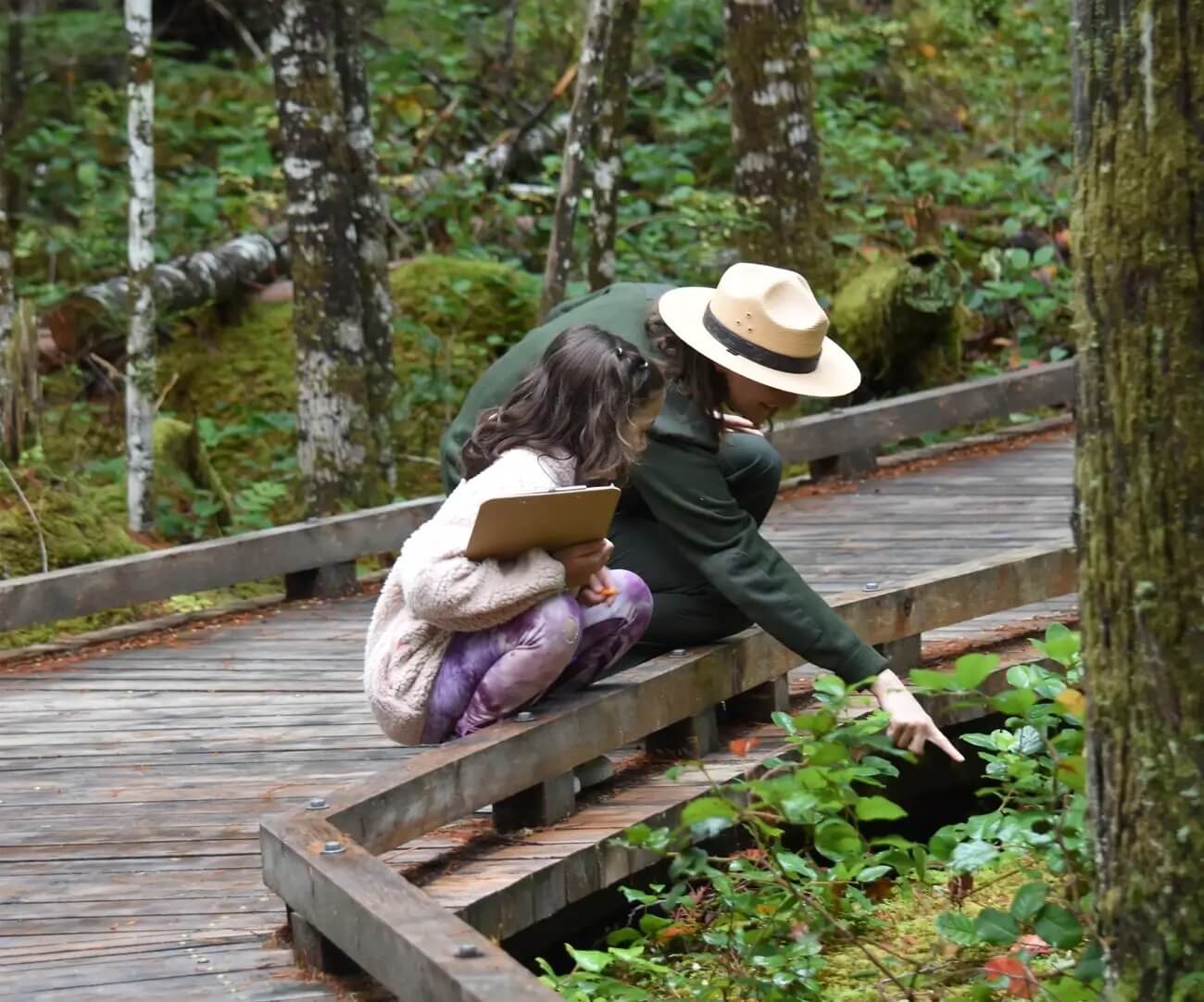
A Junior Ranger, festooned in her Sunday best, takes notes at Paterson Great Falls National Historical Park. Photo by NPS.
Even after a Junior Ranger has received their badge, there’s more to do. At many national parks, once a child has completed the main activity book, they can pick up more in-depth activity books that focus on a specific subject like paleontology, astronomy or planning your own camping trip — each with their own specialized (and in the Junior Ranger community, rather prestigious) badges. Children collect as many as they can, and I’ve seen nine-year-olds slouched beneath the weight of vests so be-badged they look as if they’ve sprouted fish scales.
I’ve worked in Shenandoah National Park for the past several years, where we have a robust Junior Ranger program, funded by the park’s nonprofit trust association. This funding means there’s never a shortage of badges, or Junior Rangers to pin them on. I’ve sworn in hundreds of Junior Rangers — kids bouncing up and down with pride and kids who peek out from behind parents. Kids who talked for fifteen minutes about deer and squirrels and birds and some with more fantastical sightings. I’m still on the hunt for the once-sighted pterodactyl of Bearfence Mountain. These kids come from all over the world, and despite different backgrounds, they all share a budding passion for the outdoors.
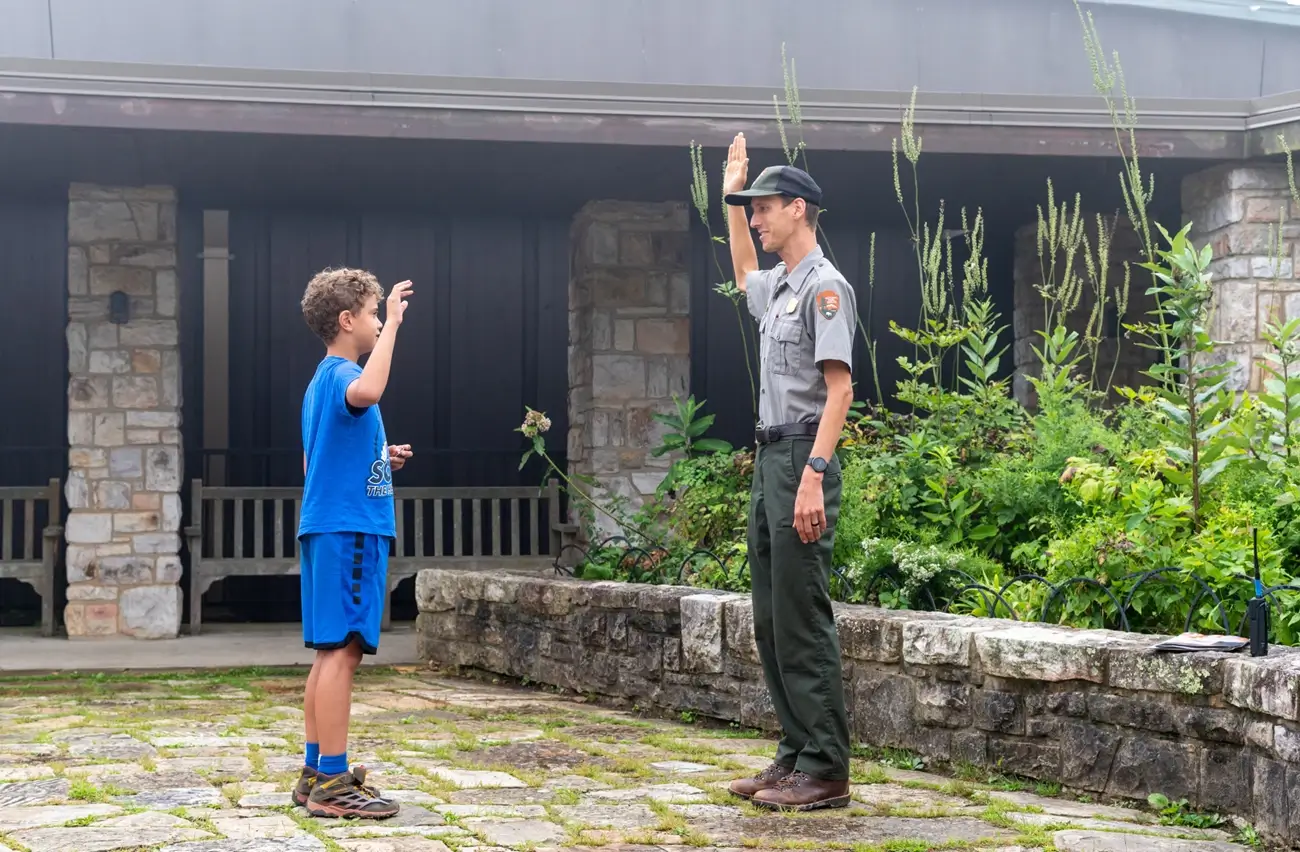
Ranger Rand swears in a Junior Ranger at Shenandoah National Park. Photo by NPS.
The Junior Ranger booklets take that love for the outdoors and marry it to tangible, age-appropriate conservation lessons, and have real impacts on both the park and the kids. Different pages are geared towards different comfort levels. One activity might be to sit on a bench and draw the sounds you hear, while the next might be a math activity that encourages the Junior Ranger to estimate the height of a waterfall. Choosing which activity they want to do promotes early independence and leadership, while the choice alone allows the books to appeal to a wide range of children. The first is perfect for a younger child who may have less experience in nature, while the latter prompts their older sibling to go on an adventure with more independence. This gives each child a personal quest — and a personal connection to the environment they are interacting with. Far down the line, if legislation threatens that waterfall, or the quiet woods where the child sat, these formative experiences can morph into a sense of responsibility and lead to passionate action.
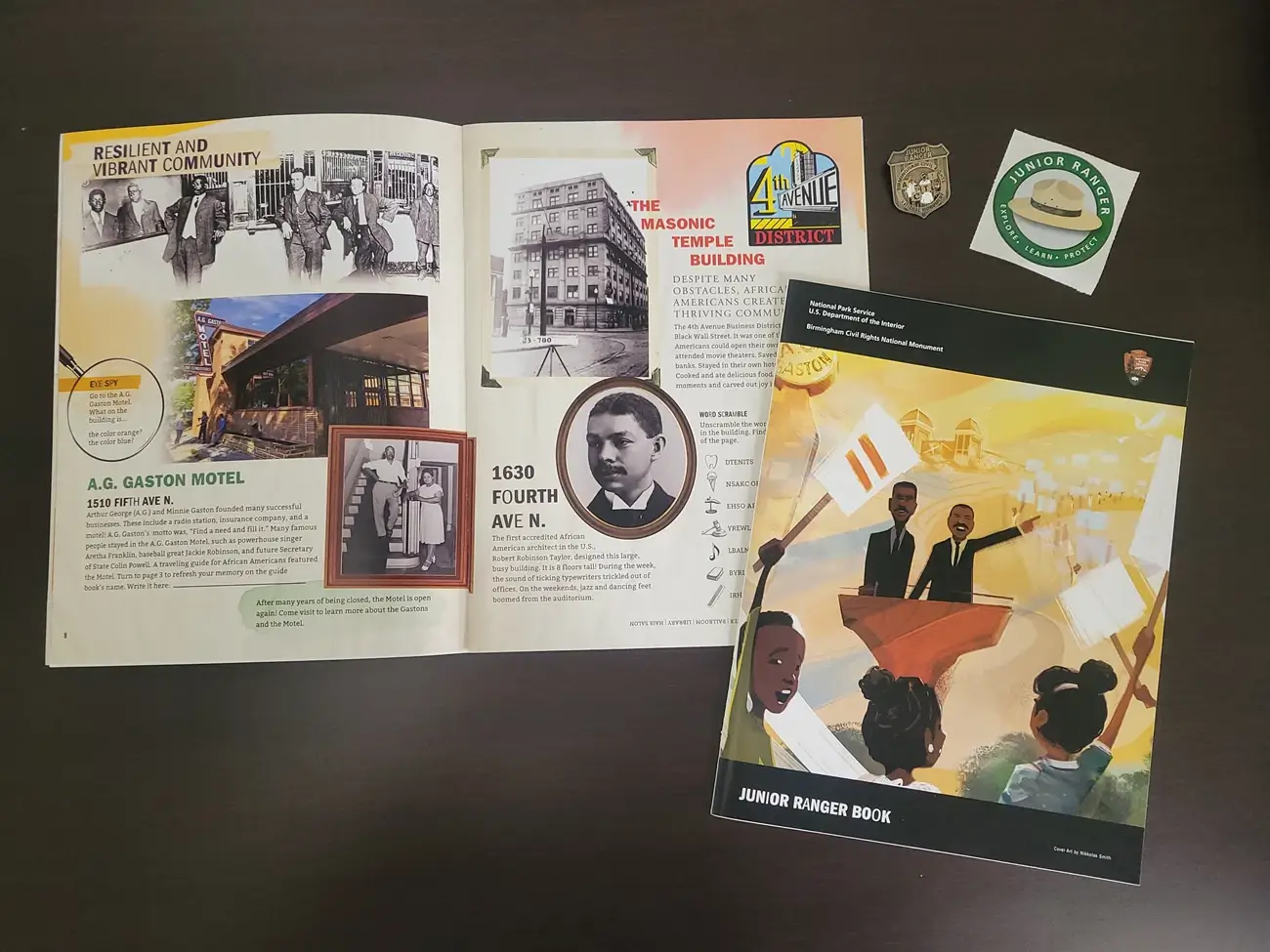
An example Junior Ranger book from Birmingham Civil Rights National Monument, with the badge and sticker children can earn in the top right. Photo by NPS and Kevin Chandler.
But the benefits to the park often appear far quicker than that. When children come to turn in their completed books and get their badges, they ask me why there are so many dead trees, or tell me about how they saw a doe but stayed at a safe distance, proud of their curiosity and their responsibility. One child, as I was about to swear him in, threw up his hand to stop me, traffic warden style. He furiously began to rummage through his pockets and then emptied them methodically onto the desk. Bottle caps, shredded bits of muddy plastic, styrofoam, gum wrappers, candy wrappers, a washer, and what looked like part of a spark plug formed a small pyramid between us. He then, very seriously, nodded at me, and we continued the ceremony. He got an extra sticker for that one. High honors for litter collection.
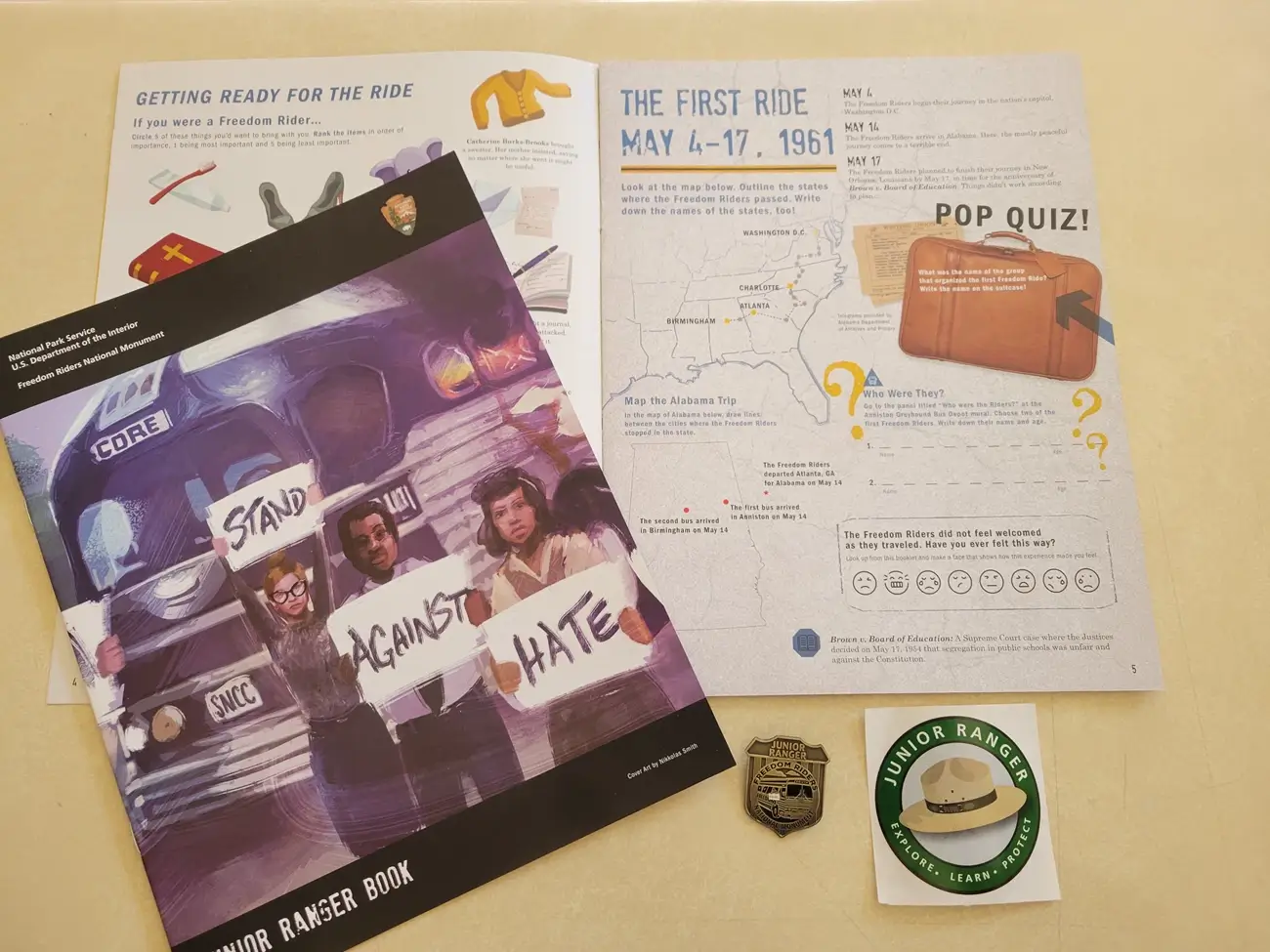
An example of a Junior Ranger book and associated badge from Freedom Riders National Monument. Photo by NPS and Kevin Chandler.
The Junior Ranger program, while deeply meaningful to many young visitors, flies largely under the radar, dwarfed by the National Park Service’s flashy numbers about benefits to rural economies and land conservation. Yet in the humble opinion of this former National Park Service employee, the Junior Ranger program deserves a seat at the high table. Love for natural resources can foster a desire to pick up litter, or interest in helping diseased forests — but to love a specific place, you need a connection to it, and these programs foster that on a daily basis.
Despite all these benefits, the Junior Ranger program is under constant funding threat. Most parks don’t have money in the official budget to afford the free books, pencils and badges that make the program accessible to every child, and rely on a trust or “friendship” organization funded by private donations (for example, Shenandoah National Park Trust) for support. As budgets continue to shrink and staffing becomes slimmer, these programs may be some of the first to go.
But have no fear! By writing to legislators, donating to trust organizations, volunteering your time, or simply visiting a National Park and requesting a booklet (and yes, anyone of any age can be a Junior Ranger), you can show a demonstrated interest in maintaining this program.
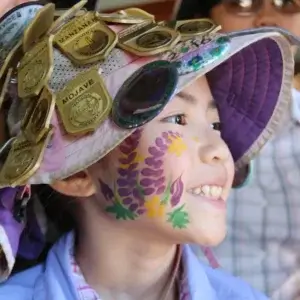 These early attempts to connect kids to nature matter, and each little action you do to support them does too. Together, we can help foster the next generation of rangers, historians and conservationists, and by doing so, keep these lands protected for future generations.
Hats off to all the kids picking up spark plugs.
-
RICHARD LOUV
Outdoors for All: Access to Nature is a Human Right
-
Feature
Waukegan, Illinois: Building a future where nature is for everyone
-
Feature
7 Ways communities can create lasting impact for children and nature
-
Feature
“Noticing” — An excerpt from Richard Louv’s new book, with a conversation between Louv and Ron Swaisgood
-
Voices
Returning to free play through a nature-based approach