
We’re all looking for the same moon
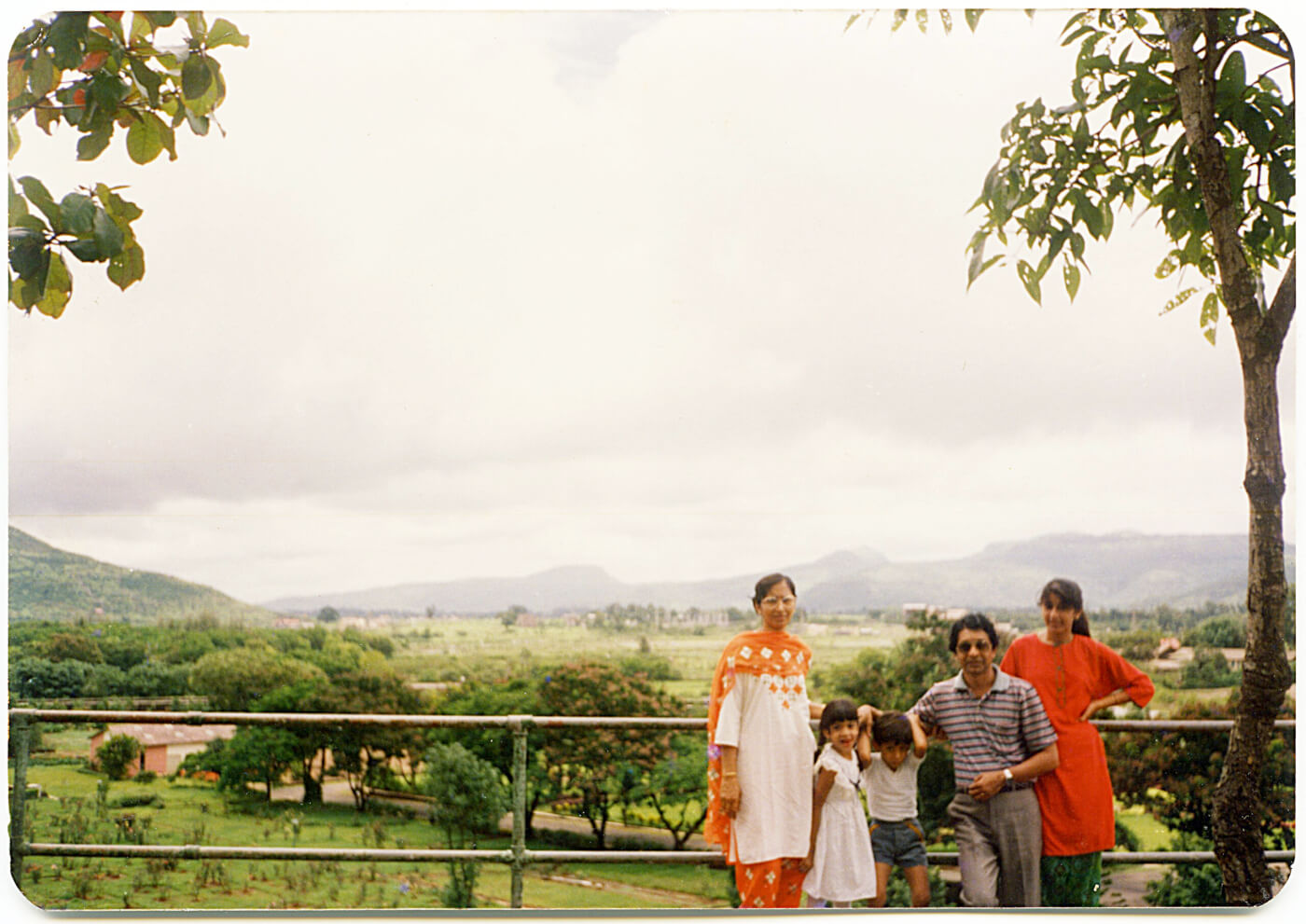
On Eid mornings, I’d walk up and down the stairs of our 6-story housing complex in Bhawani Peth, Pune, India, proudly balancing bowls of sheer khurma on a floral melamine tray rimmed with artificial gold.
Cooked with love in our Dawoodi Bohra Muslim kitchen, my mother’s version of the milk pudding was made with vermicelli, dry fruits, nuts and spices. It brought pure delight and warmth to our neighbors, many of whom observed religions and faiths different from ours. Bowls were never returned empty. Some families would hold on to the bowl so that they could send us their homemade sheer khurma when it was ready. Others would fill it with candies or other similar treats, which I’d of course dig into — for all the energy I was spending running around from floor to floor doing deliveries.
As I grew older, Ma’s distribution list grew longer. My passion for public speaking was mostly reserved for competitions at school, but on Eid day, my outgoing personality truly shined! I’d share highlights from the month-long fasting that ends with this Eid celebration, and the teachings I received from the evening prayer gatherings at the mosque.
Growing up in what felt like a very harmonious and peaceful multicultural environment, I was fascinated by how this single dish alone had the power to weave us all together beyond our differences. I would often think to myself, “Is there another country where you can move from floor to floor within your tiny housing complex and feel like you have traveled the whole world simply by sharing a treat during a cultural observance?”
Childhood memories of Eid al-Fitr and Eid ni raat (the night before Eid) for me are full of celebration, connection and community. On Eid ni raat, we would salaam to show reverence, and say, “Bolu chalu maaf ane dua ma yaad” — please forgive me if I have hurt your feelings in any way and remember me in your prayers. I think that even before I learned how to give a hug, I was first taught how to do a salaam!
On Eid al-Fitr, salaams were accompanied by Eidi, traditionally a gift of money in a colorful envelope. My Nani, maternal grandmother, and Dadi, paternal grandmother, both offered their grandchildren nontraditional Eidi — Nani’s in the form of her personal possessions wrapped in potlis, and Dadi’s in the form of bedtime stories from her early years in Rangoon, Burma. My Nani would often say that when we kissed her knees while doing salaam, her knee pain would magically disappear. This was her Eidi from all her grandchildren.
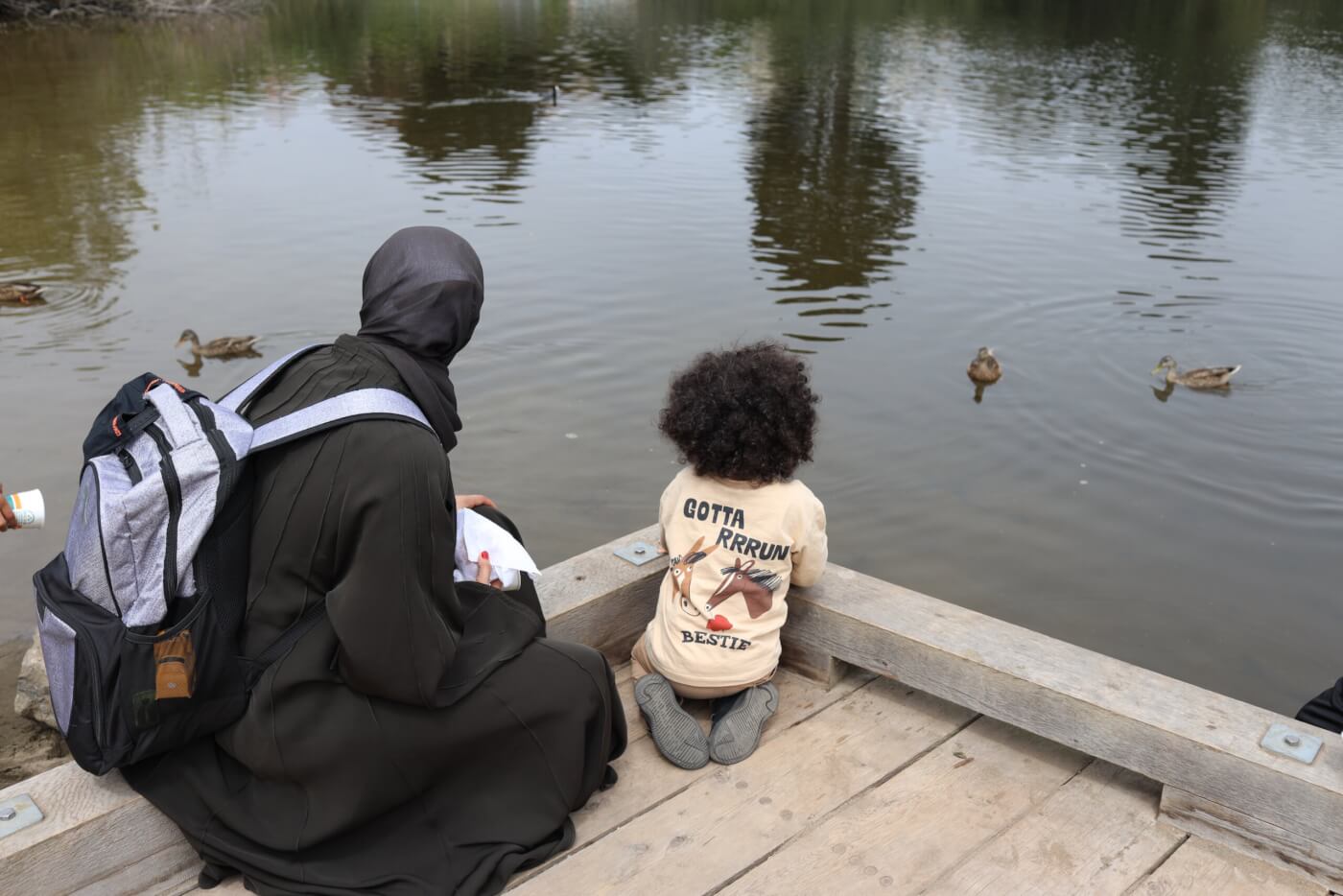
A mother and son observe the local birds at Mountain Lake Park, Presidio, San Francisco.
Similarly, my parents’ Eidi for us involved going “baahar,” an all-encompassing Urdu word that means going outside of your home to roam, have an adventure or even run some daily errands. I have fond memories of Eid days when our family of five managed to fit ourselves onto my father’s Lambretta scooter and go to nearby gardens and lakes, laying out a chaddar (a bedsheet) for picnics. I loved how those picnics brought me closer to the natural world. On one such picnic, the park had a small fish pond, and my little brother innocently jumped into it to take a closer look at the fish, oblivious to the depth of the water. Thankfully, my father was keeping a close eye on him and pulled him out immediately. For years after that incident, I teased my brother that his Eidi that year was the fish he may have swallowed unknowingly — and that someday he might turn into one!
In my mother tongue of Gujarati, “vasti” translates to the density of population in a place. I’ve grown up hearing my parents and community use this word to refer to a feeling of liveliness and warmth in the environment — a sense of interbeing with the daily hustle and bustle of city life in India. It implies a sense of belonging that is inherently a part of the landscape, a neighborhood, a place and its people and cultures.
During Eid, the feeling of vasti was abundant in my hometown. It was heard in the special azaan, the Muslim call for prayer that was recited at dawn and dusk that day. It was seen in the mosque on Eid morning, when everyone from my community would show up with a spirit of celebration, perform a special Eid ki namaaz, prayer, and reflect on the trials and tribulations faced, and the enlightenment received during this month. We’d experience it when we ambled back from the mosque and the neighborhood streets were filled with greetings such as “Eid Mubarak!” It was in the markets packed with vendors selling brightly colored gerberas, pink candy floss and glass bangles. It was in the lantern-lit alleyways and star-and-moon banners hung between electricity poles, creating canopies along the streets. Friends brought vasti, too, when they’d come home for a special Eid meal of Ma’s shaami kebabs and biryani.
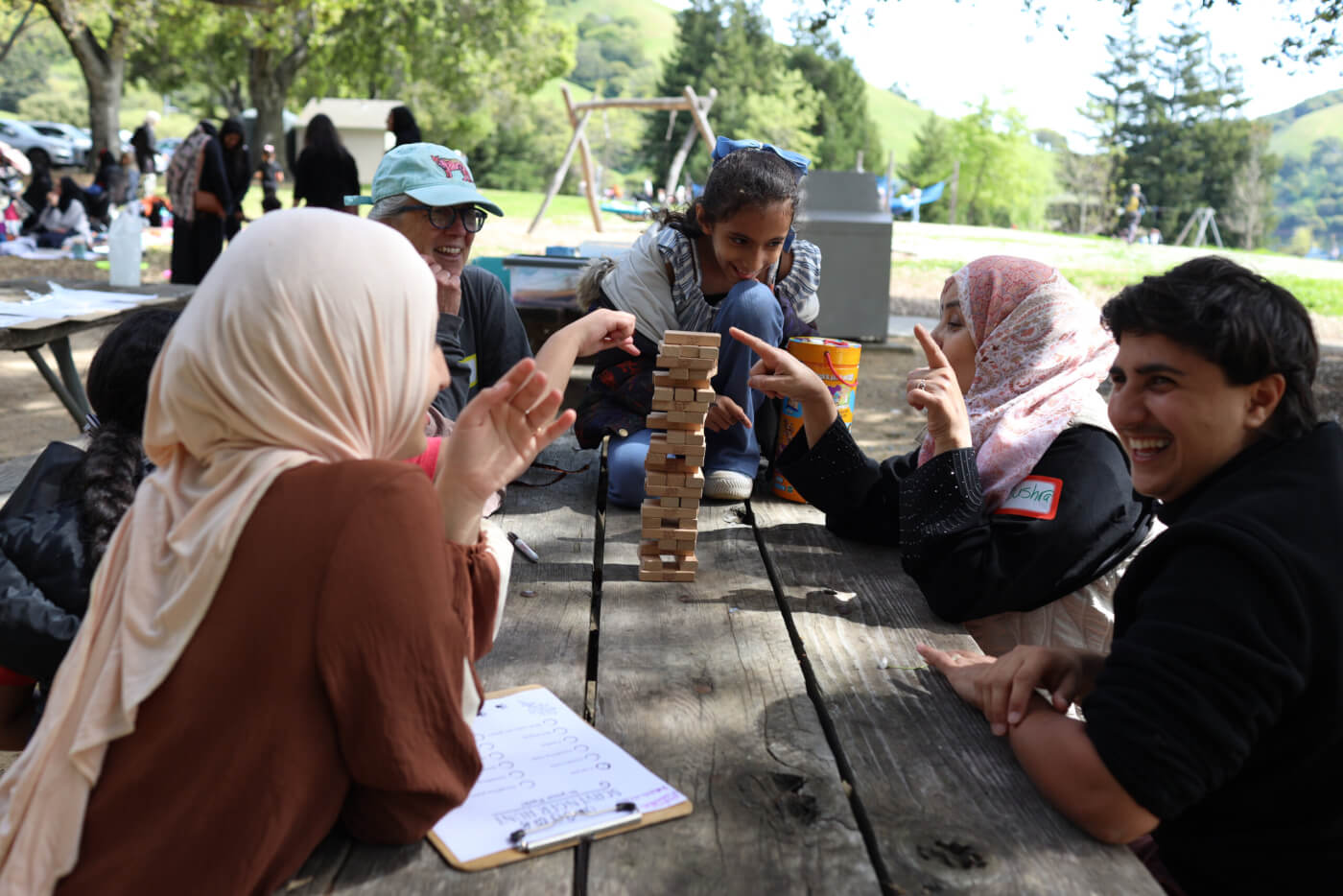
Yakuta, Bushra and park staff now create vasti — a sense of warmth, liveliness and community — in the Golden Gate National Parks.
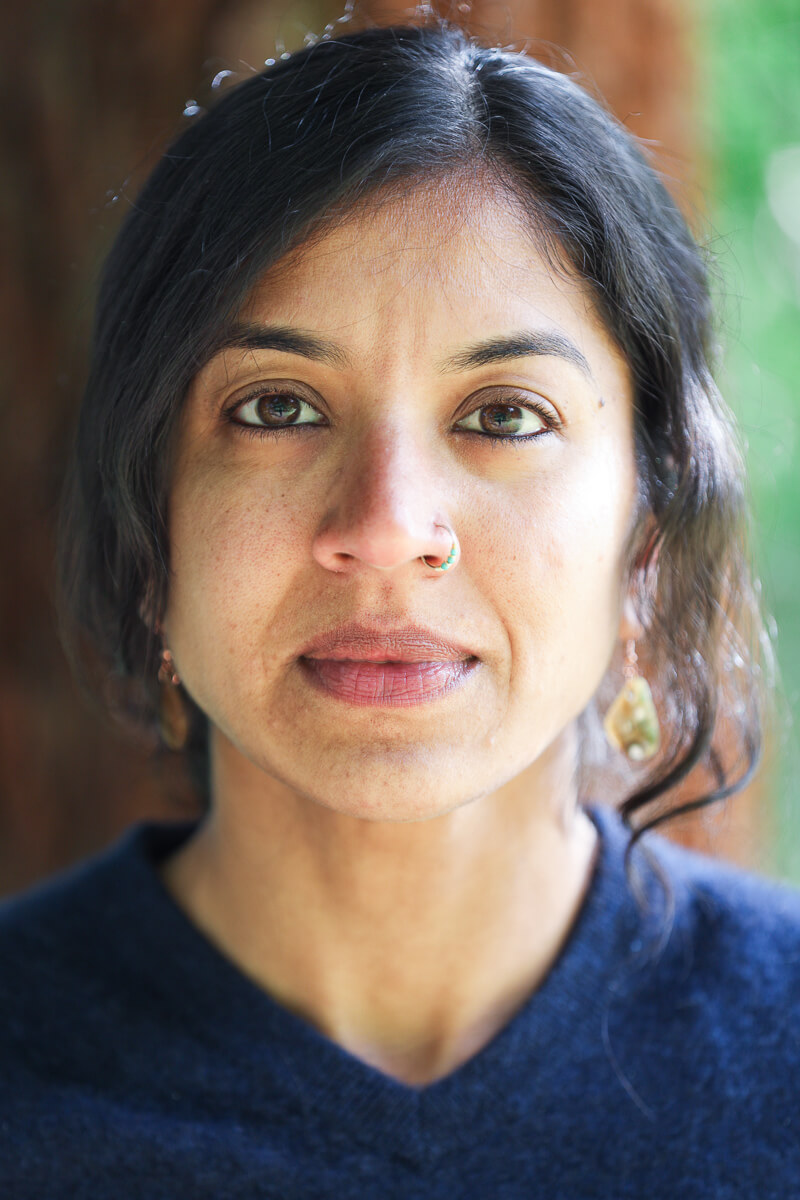
Fifteen years ago, a leap of faith led me to create a new life in San Francisco, California. With our family of five now spread across a few different time zones, my smart phone’s world clock widget, while informative, left me longing for that vasti. Like so many fellow humans who move away from their motherlands, I started to look for words, gestures, objects, memories, stories and traditions in the human and more-than-human world that could help me find connection. During my first Ramzan month here, my father and I, inspired by the lunar calendar that guides this month, started to exchange photos of the many phases of the moon. This soon became an annual ritual that went beyond Ramzan, bringing us closer over time and geographical distance.
When we look closely, there are many such connections and metaphors in the natural world. As Director of Community Stewardship and Engagement at the Golden Gate National Parks Conservancy, I serve as a steward of our parklands and lean into values and teachings from my early life in India to guide our local communities in developing their own special connection with nature and each other.
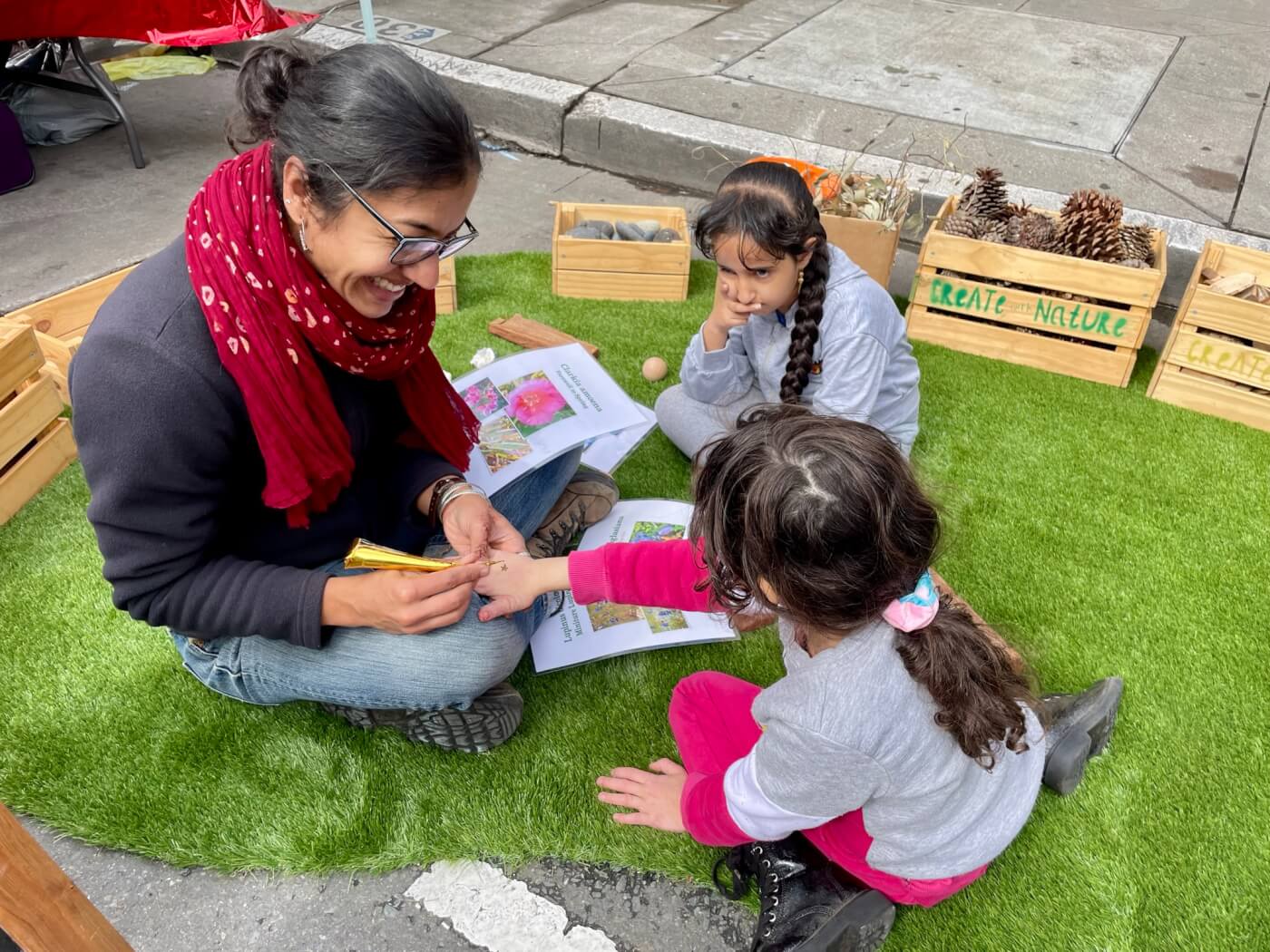
Yakuta applies henna on children at a nature play area inspired by the SF Children & Nature set up in the Tenderloin neighborhood of San Francisco with art and craft activities.
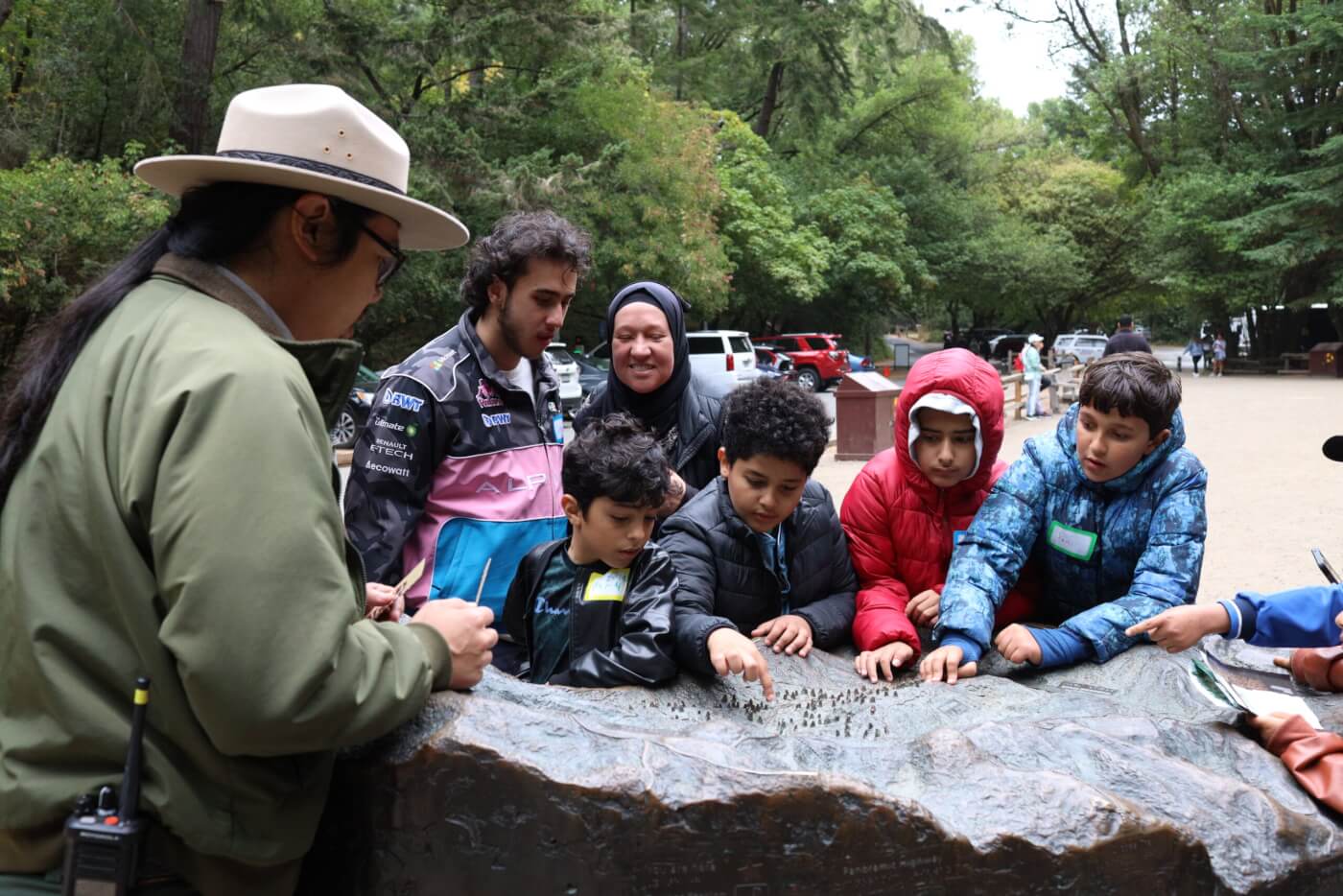
Children enjoying nature activities led by a park ranger at Muir Woods, Marin County, California.
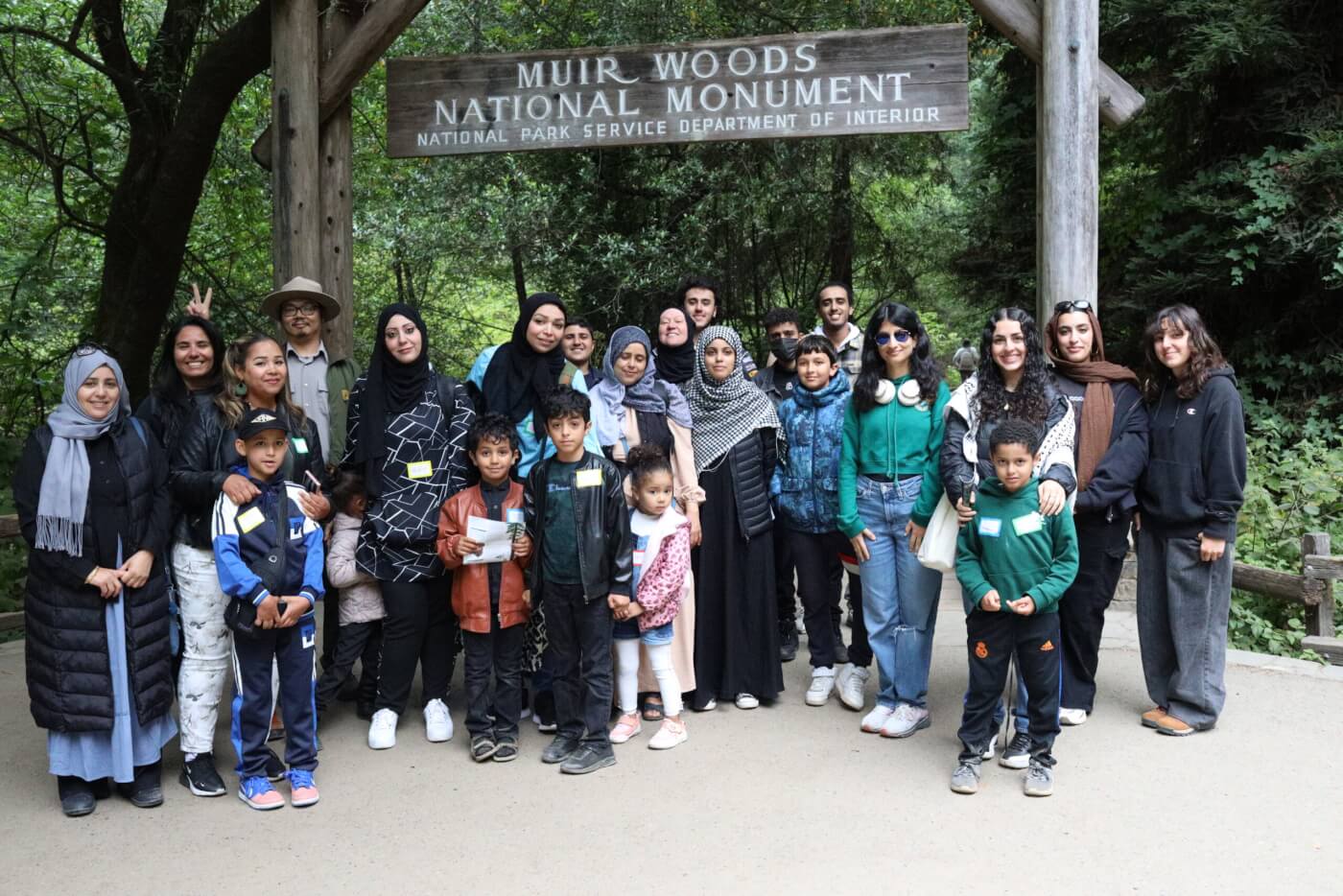
A trip to Muir Woods in Marin County, California, to experience the healing powers of the Redwood trees.
Our vision at the Parks Conservancy of “Parks for All” inspires me daily to push the boundaries of conventional approaches to connecting with nature. Here, I am called to build programs and initiatives that challenge the dogmas and systems of the larger environmental movement that divide and dominate — and build beloved communities where all life can belong and thrive.
Drawing from my own community’s teachings, as well as many other cultures and traditions I’ve been blessed to witness, I developed “Parks As Ancestors.” It is a series of programs that brings participants together to explore what it means to be an ancestor through land connection programs. These programs begin with restoration — planting, weeding and seed dispersal — but go beyond, to include storytelling, arts and crafts, cultural observances and ceremonies, and meditative practices inspired by cultures worldwide. Together, the programs demonstrate how our individual faiths and identities are also our ancestors, and how we can learn from our past and present to shape our future. Most importantly, the series calls us to be good ancestors by respecting all cultures, and identifying barriers to park access faced by youth and our most vulnerable communities.
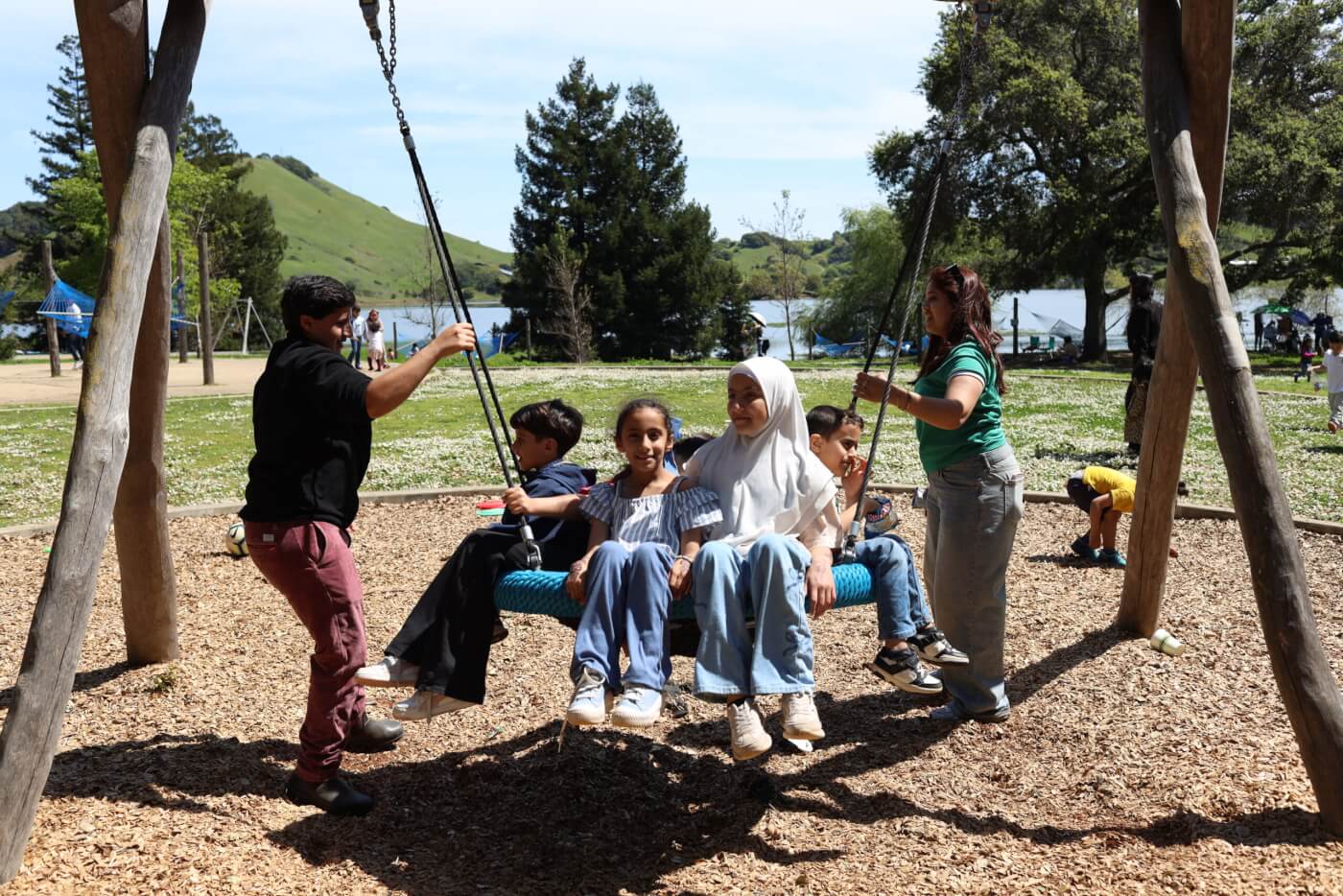
An Eid program brought Arab and South Asian Muslim families from two different counties together at Stafford Lake in Marin County, California.
As part of this series, we offer Eid in the Parks: an annual invitation that was shared more than a decade ago to our local Muslim communities — a mix of South Asian, Central Asian and Middle Eastern families — to experience Eid in an urban park setting. Its purpose is to support Muslim families in feeling vasti in the parks — that sense of welcome, belonging and cultural pride and joy. It also offers non-Muslim communities an opportunity to build a deeper understanding of this community and its culture. Initially, 30-50 people came out for Eid in the Parks, but each year it grows — last year, 300 people participated in this program at Crissy Field Center in San Francisco!
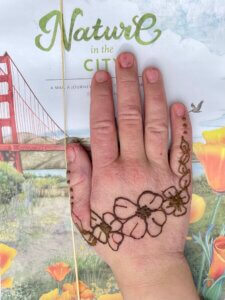
California wildflower designs for henna art.
Throughout the years, Eid in the Parks has taken many shapes. Recitals of nature-based Islamic poetry and prose have transformed park sites, like Crissy Field in San Francisco and Stafford Lake in Marin, into auditoriums. Local flora and fauna offer ideas for henna art. Interpretive talks by park staff connect the five pillars of Islam to restoration and local ecology, bringing awareness to the environmental spirit of Islam. In partnership with local libraries, children have listened to story books, like “Fatima’s Great Outdoors,” under the comfort of oak trees. In grassy meadows, picnic blankets have served as prayer rugs — yes, a jamaat, an Islamic gathering in a mosque, is indeed possible in nature! And once again, bowls of sheer khurma have successfully created a joyful multicultural environment. From Bhawani Peth to The Bay, Eid celebrations in my life have evolved, strengthening my belief that community and vasti can be created with love and intention anywhere.
My San Francisco community often asks if I miss my Indian Eid. In my search to create new ways of observing Eid, I haven’t had to travel far — my park provides the familiarity and comfort I seek here. I have come up with a new park Eid salaam that involves using the branches and trunk of a tree as pretend hands and knees. My Eid greeting is dedicated to all the plants and wildlife I interact with. I wish them, “Bolu chalu maaf ane ghanu ghanu shukr” — please forgive me for all the hurt I have caused, and gratitude for all you do! As I share these new personal traditions with participants, a young woman tells me that the cypress tree of my pretend salaam reminds her of her home in Syria. The California rose bush transports a family to their garden in Lebanon. The eucalyptus trees warm the heart of a student from India who shares with us the medicinal uses of eucalyptus oil.
As Ramzan follows the lunar calendar, some years we get to enjoy California spring wildflowers, and other years the holiday is filled with the treats of summer, fall and winter in the park. Like my Nani and Dadi’s Eidi, my park’s Eidi is nature’s gifts and teachings.
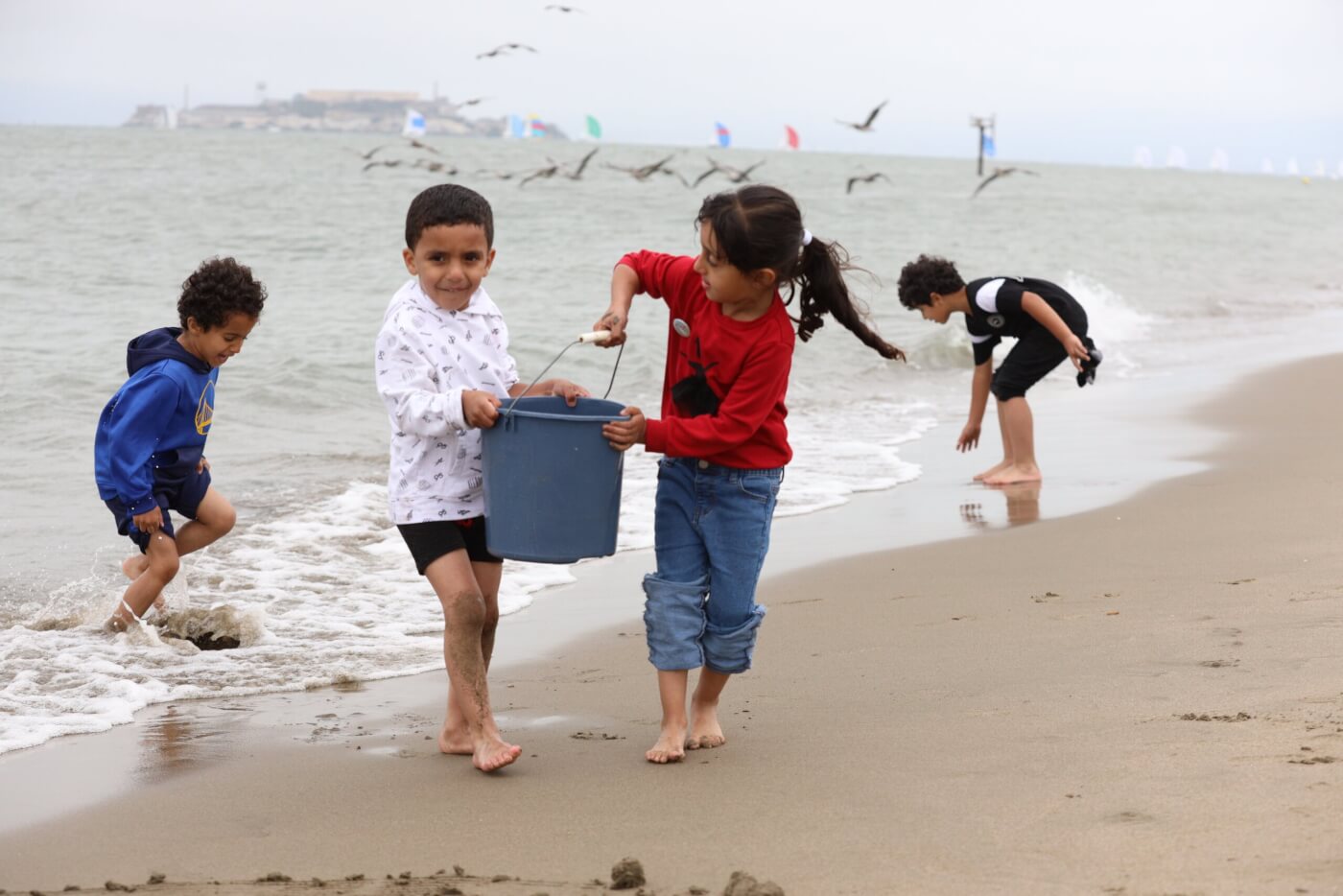
Youth immerse in sand and water activities facilitated by Zach Pine, a local artist bringing awareness to climate issues through nature art and play.
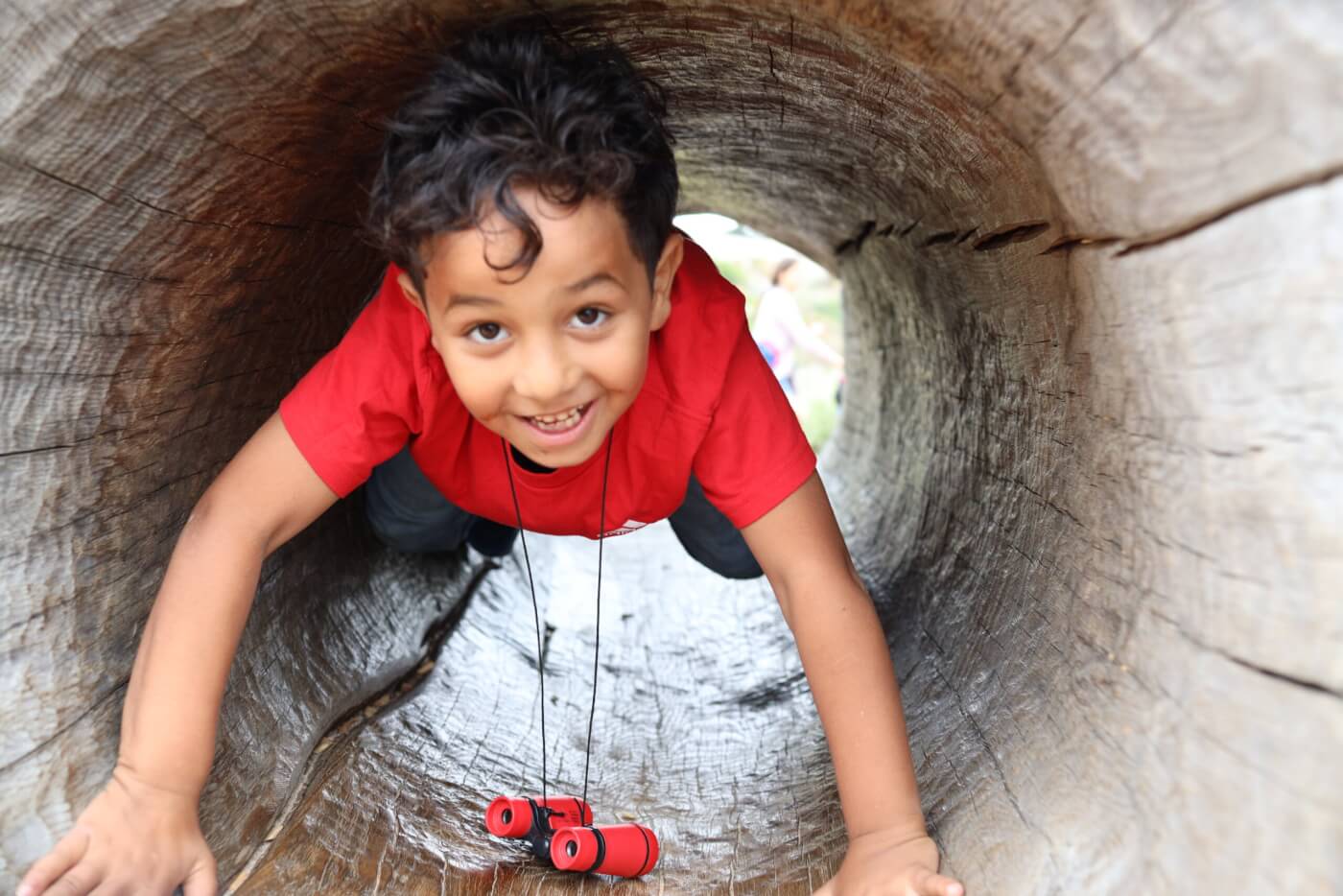
Kids immerse in nature play at the Outpost Playground at the Presidio Tunnel Tops.
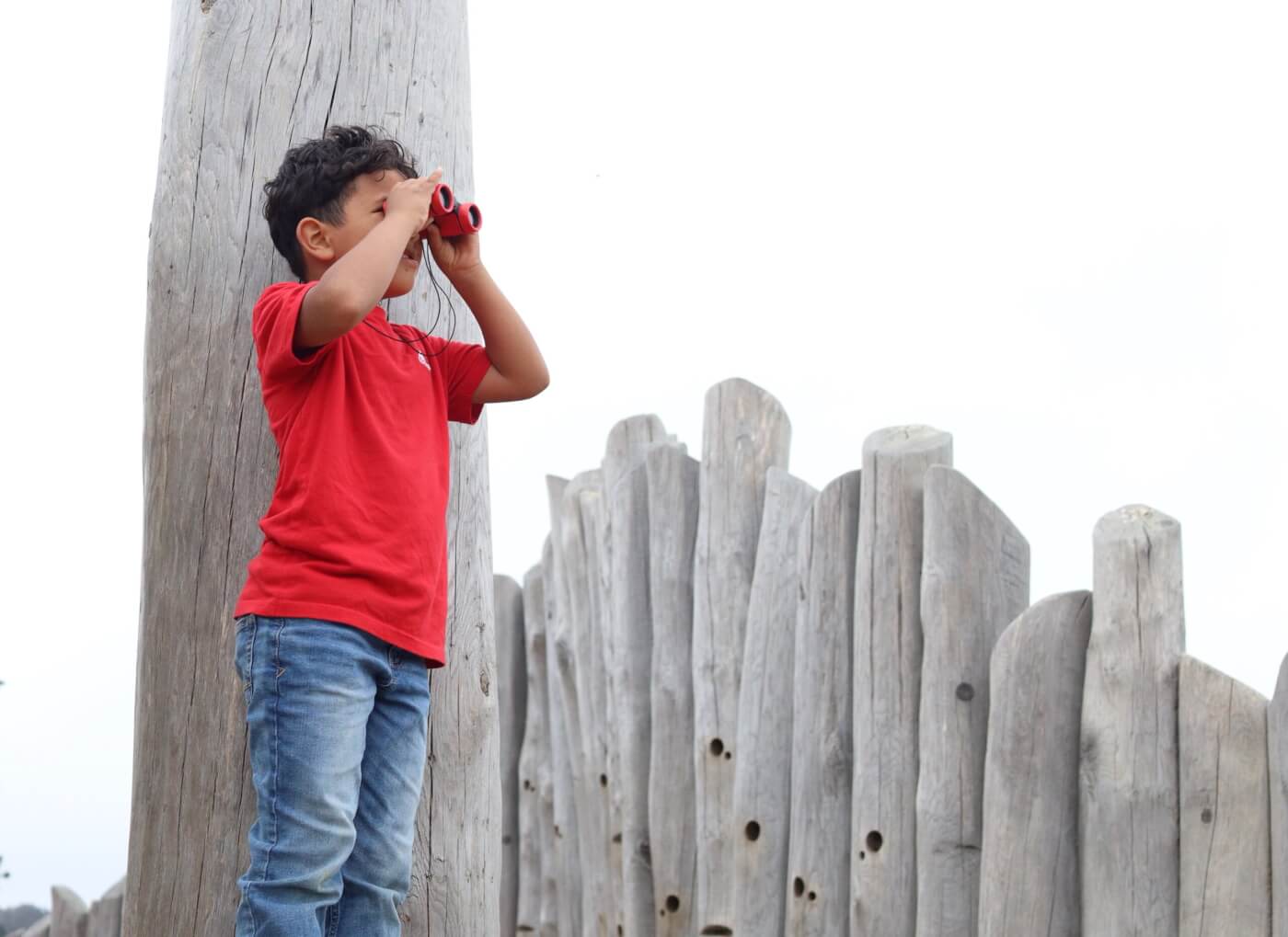
Kids immerse in nature play at the Outpost Playground at the Presidio Tunnel Tops.
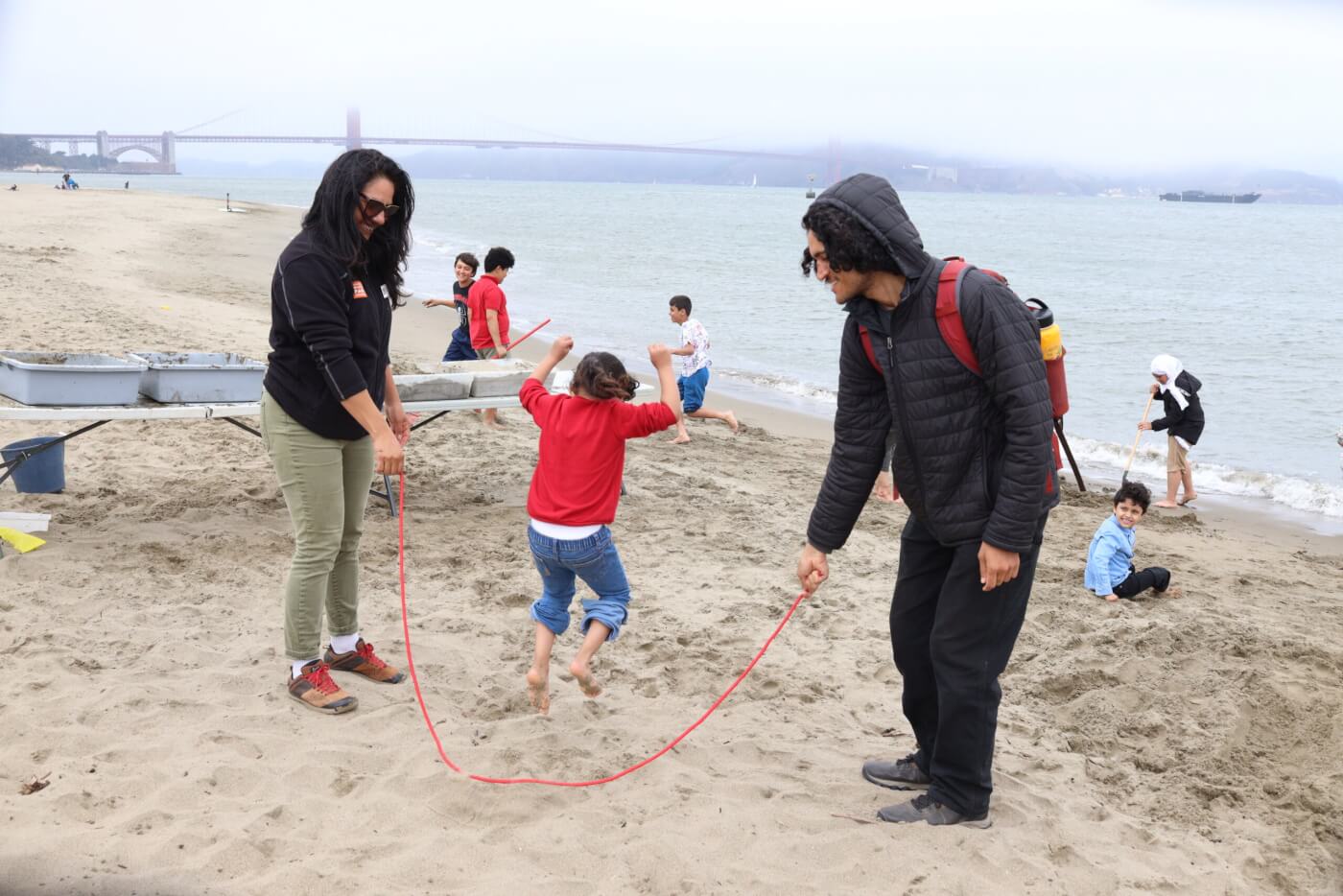
Park staff facilitate joy at Crissy Field, East Beach, San Francisco, California
On the last day of Ramzan, when I sit under a foggy San Francisco sky and look for the elusive Eid ka chaand — the crescent moon that signals the celebration of Eid — I am reminded of how the rhythmic companionship of the moon helped me in my initial years here. How humbling it is to know that we’re all looking for the same moon, just from different places.
*Note: The park programs featured in this story are possible thanks to an exemplary partnership between community leader Bushra Alabsi, the Golden Gate National Parks Conservancy, the National Park Service, the Presidio Trust, the San Francisco Children & Nature, and the Arab Resource and Organizing Center.
1 Comment
Submit a Comment
- Park pilgrimages: Unearthing new ways of being in nature
- More about and by Yakuta Poonawalla
- Golden Gate National Parks Conservancy
- Celebrating Women Leaders
- Forging Latinx cultural connections through art and nature
- Creating a stronger family culture through “friluftsliv”
- Webinar Recording: Culturally centered nature-based programs for kids
-
Richard Louv
THE "VITAMIN N" PRESCRIPTION - Some health professionals now recommending nature time for children and adults
-
Feature
A decade of ripples: What Nature Everywhere Communities reveal about systems change
-
Feature
Crossing invisible boundaries in the outdoors: A Q+A with Mason Branstrator
-
Feature
Forest bathing: Educators need nature connections, too
-
Feature
A future full of promise: Nature in early childhood
Yakuta,
Thank you so much! The moments captured by your camera are truly beautiful. The monthly field trips we do with the women and youth are an amazing break for these families, providing them a chance to escape from the TLC and enjoy the beautiful green environment. Thank you for capturing such beautiful faces and moments in your writing and photos. I value you not just as a part of make this project happen but also as a friend in this wonderful project.
Best regards,
Bushra