

Buds in the Bluegrass State: Increasing access to nature-based early care and education in Kentucky

The best time to engage in nature is right from the start.
An infant’s brain forms more than 1 million new neural connections every second. This surge continues throughout early childhood, from birth to age 5, marking the most intensive period of brain development.
Because of these facts, early childhood presents the first — and best — chance at ensuring engagement in and a love of nature throughout one’s life. Introducing nature during this critical period helps build physical and mental resilience, as well as developing comfort and confidence in enjoying the outdoors and navigating the natural world. Additionally, parents and guardians are most receptive to changing or adapting their own behaviors to meet a new child’s needs during this critical period.
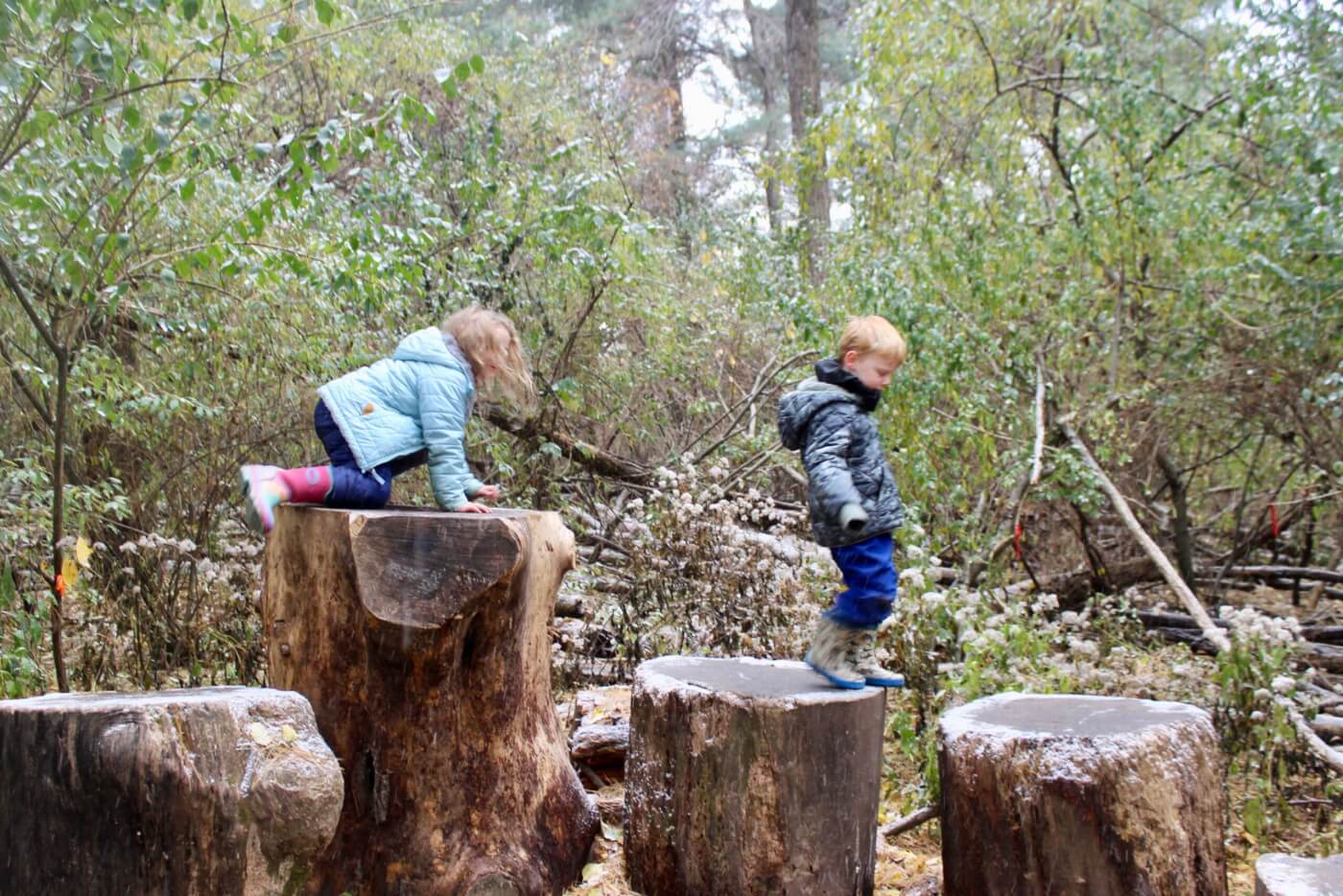
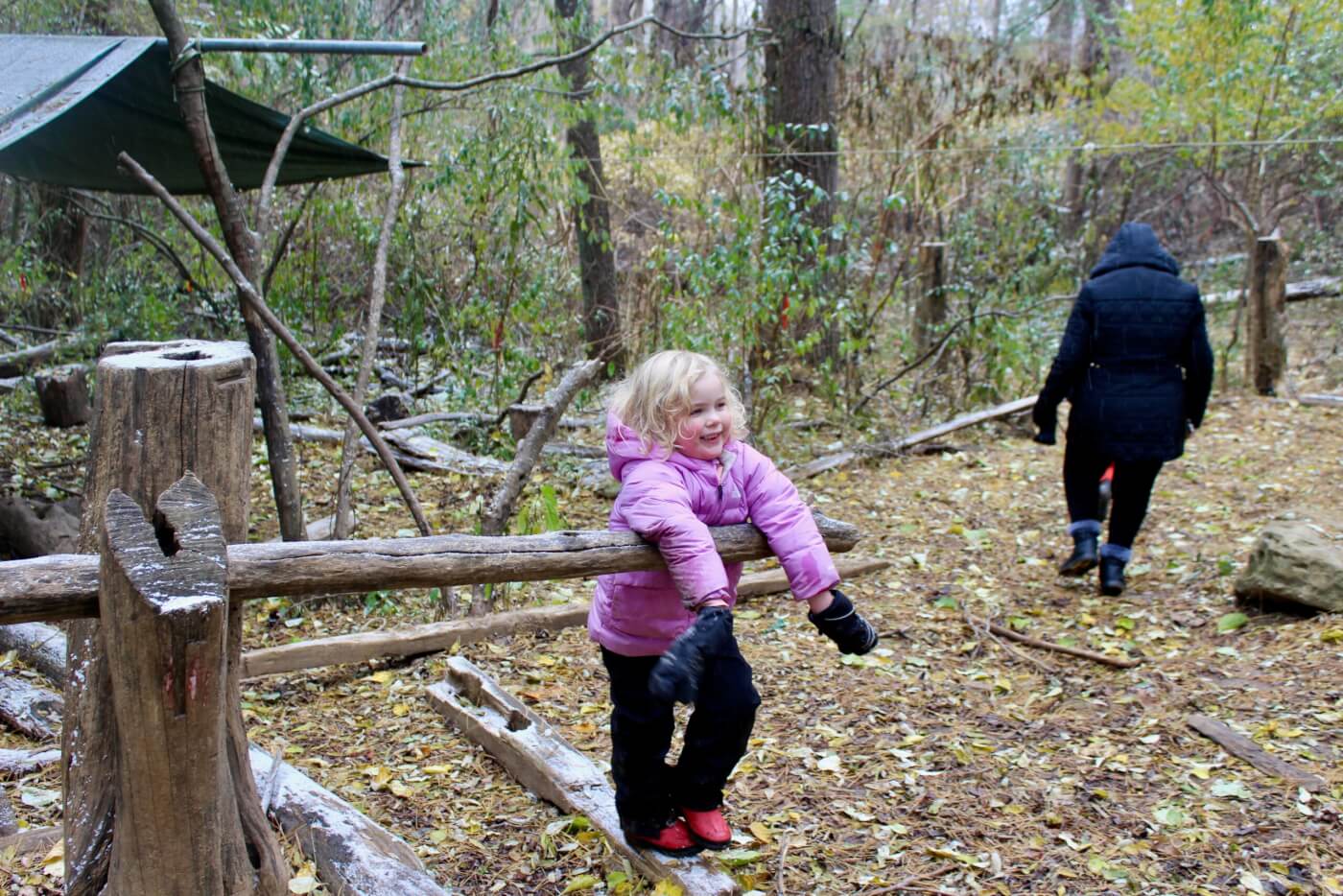
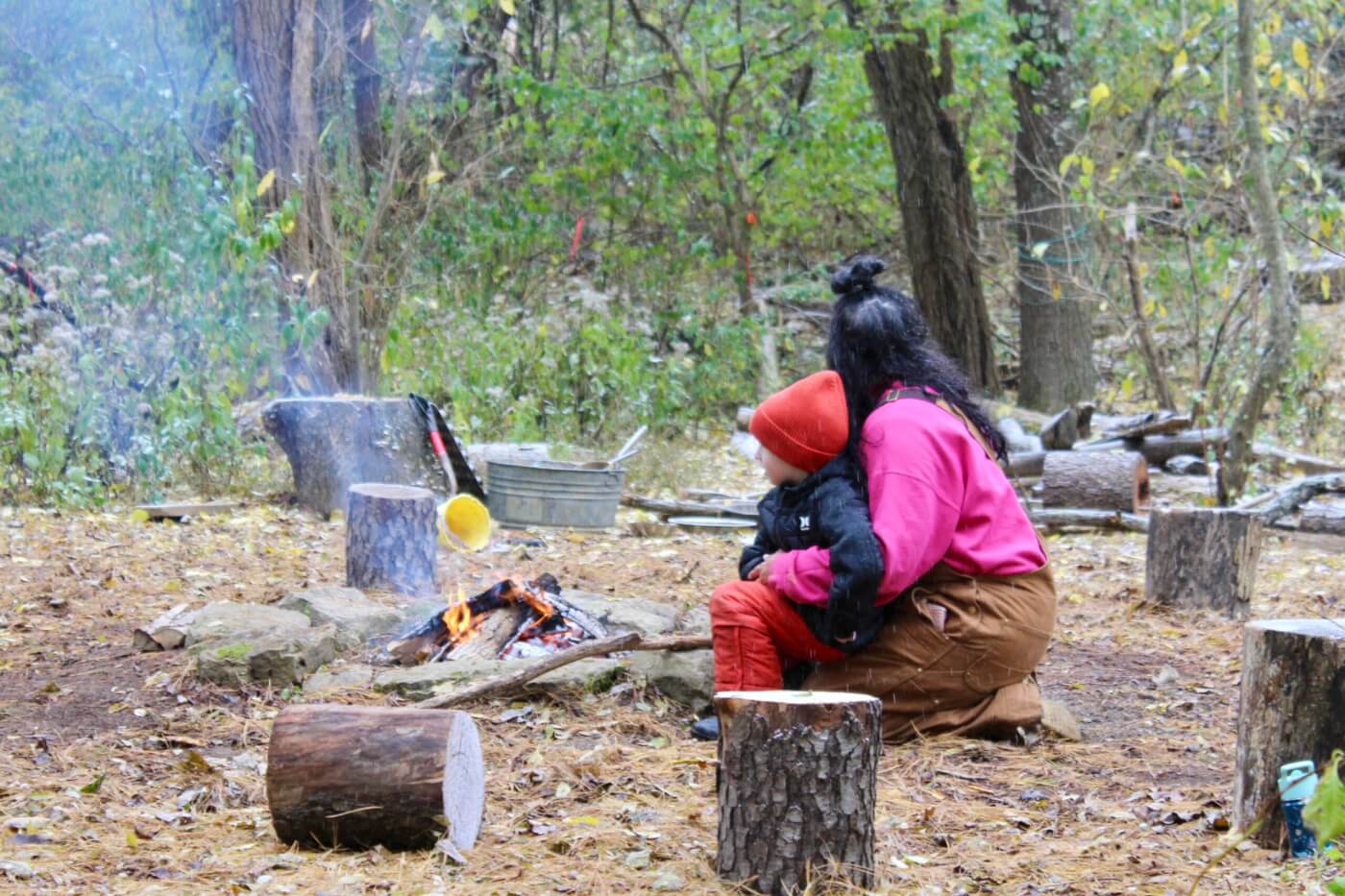
While there are a growing number of nature-based child care programs and preschools across the United States, most states do not allow these programs to be licensed, thus preventing them from enjoying the benefits of licensing, such as child care subsidies. Access to child care subsidies is a critical tool for ensuring that children from low-income families have access to nature-based programming.
Recognizing this challenge, the Kentucky Association for Environmental Education (KAEE) has been working with nature-based early learning providers to develop strategies to change the regulatory framework.
Legislative site visit
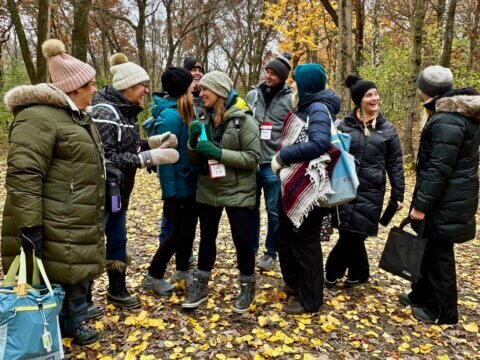
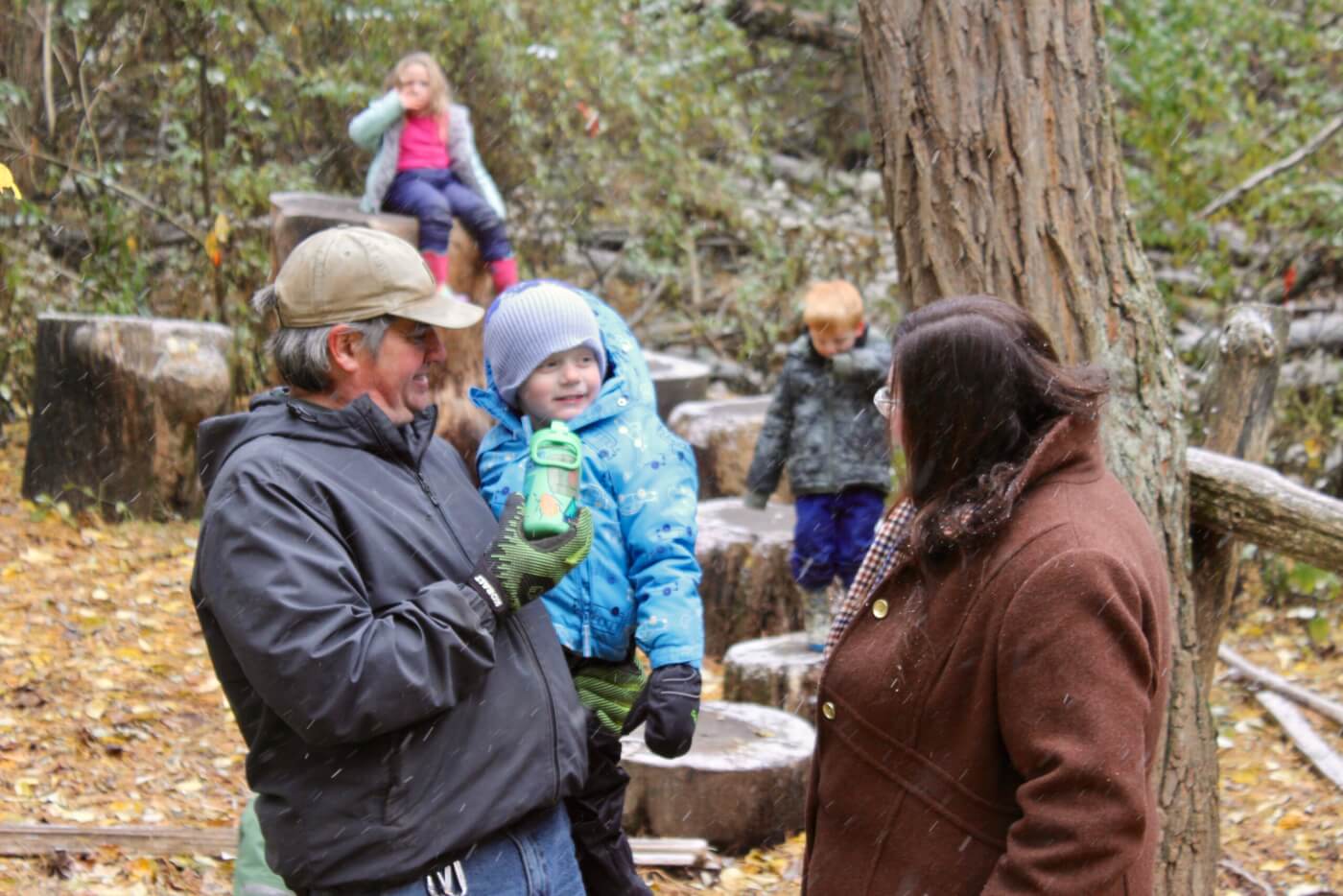
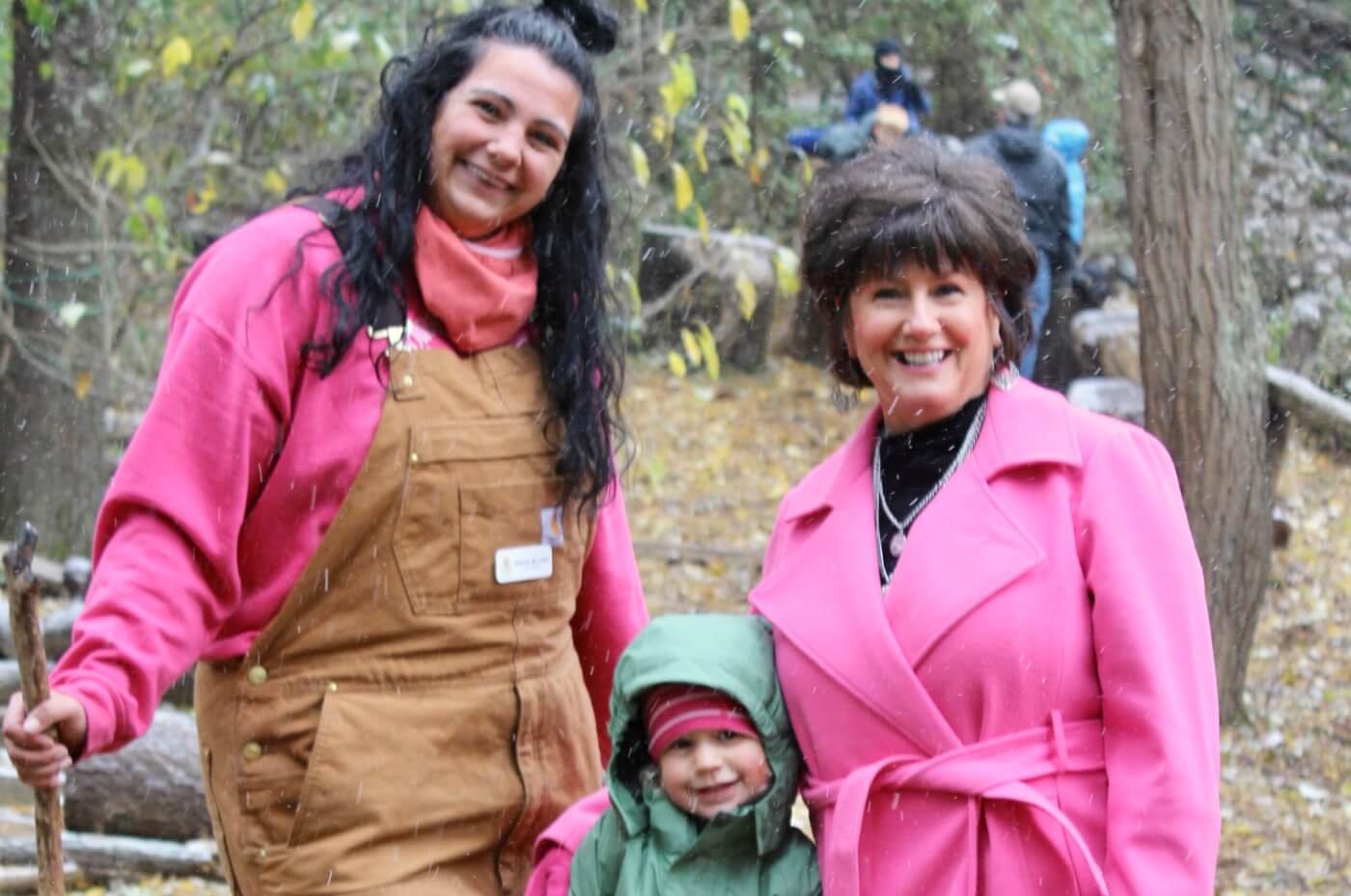
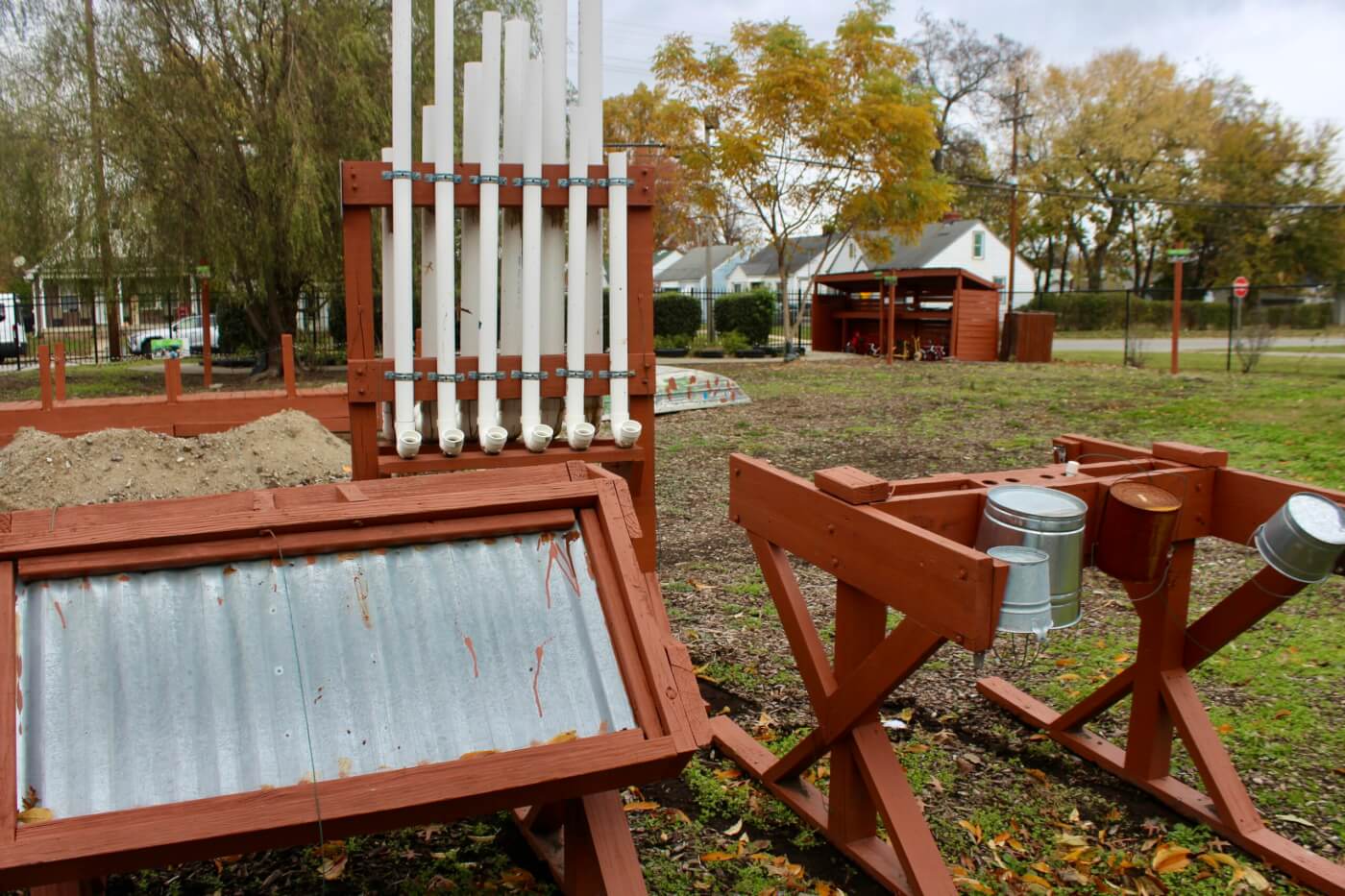
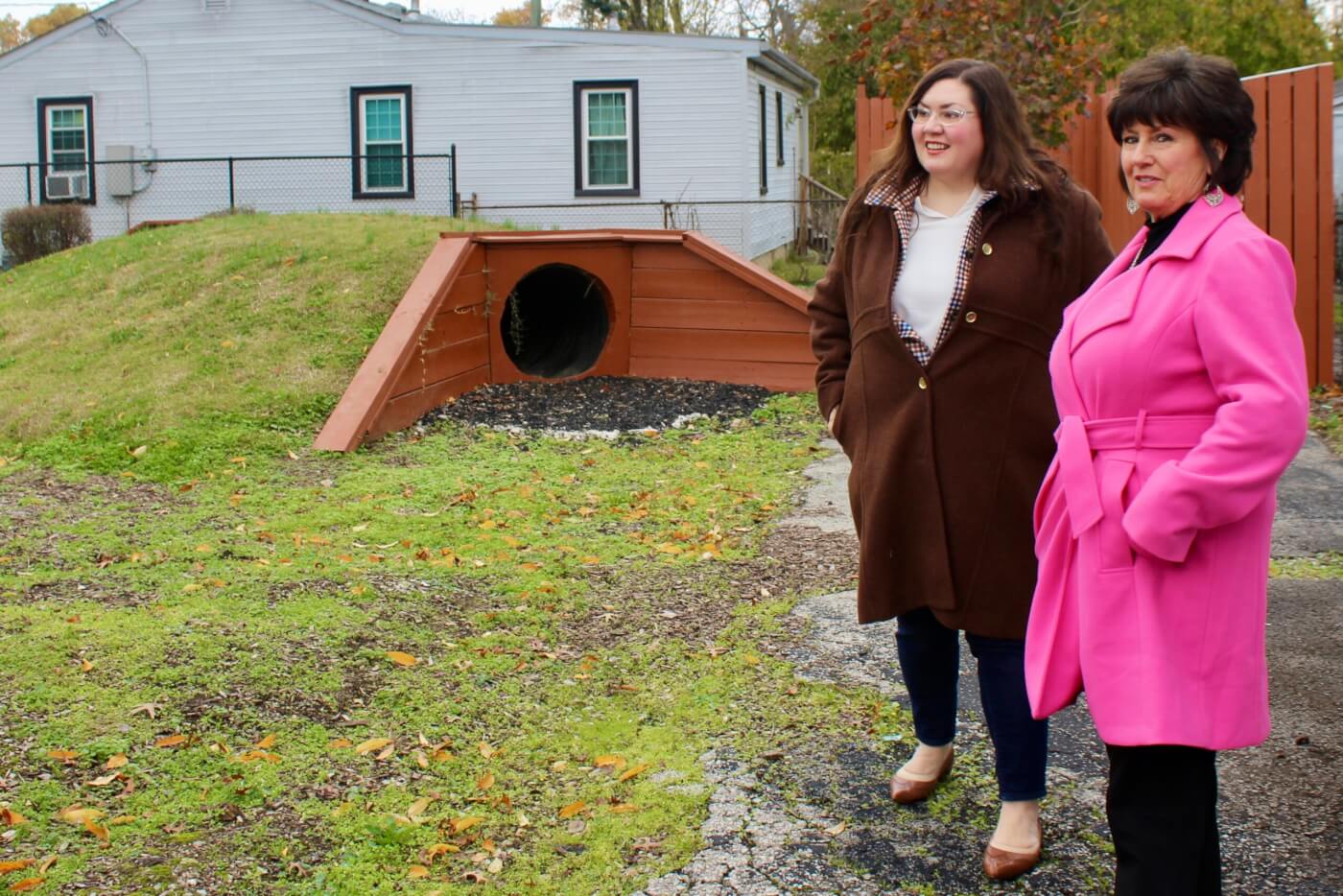
Kentucky State Representative Vanessa Grossel (R-Fayette County and Scott County) has lent her leadership to introduce and advance legislation on this issue. On November 10, 2025, KAEE, along with the Children & Nature Network, hosted a site visit for legislators. The visit helped legislators learn about nature-based child care programs and why they are essential for young children, and offered a place to discuss policy barriers and opportunities to increase access to these programs.
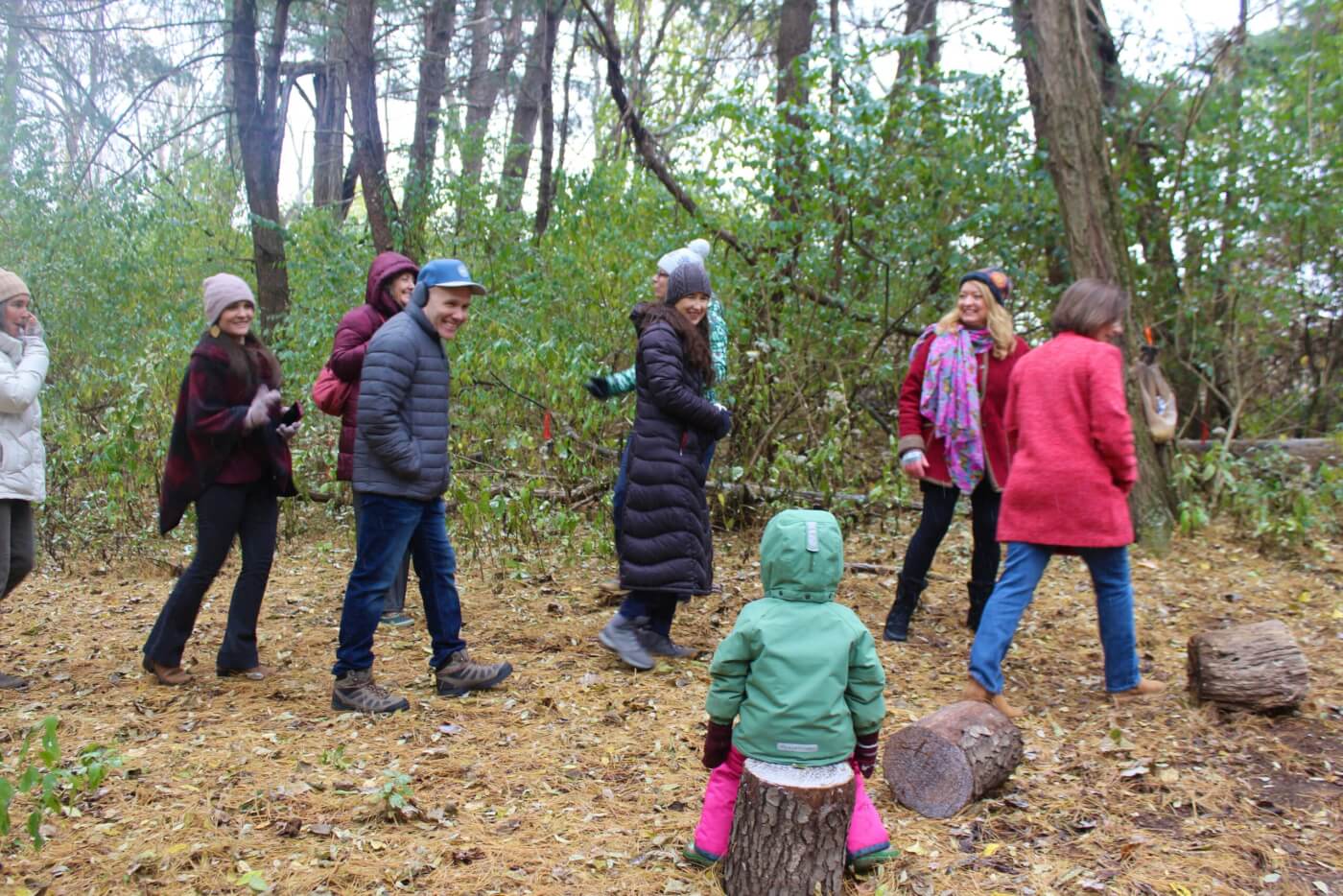
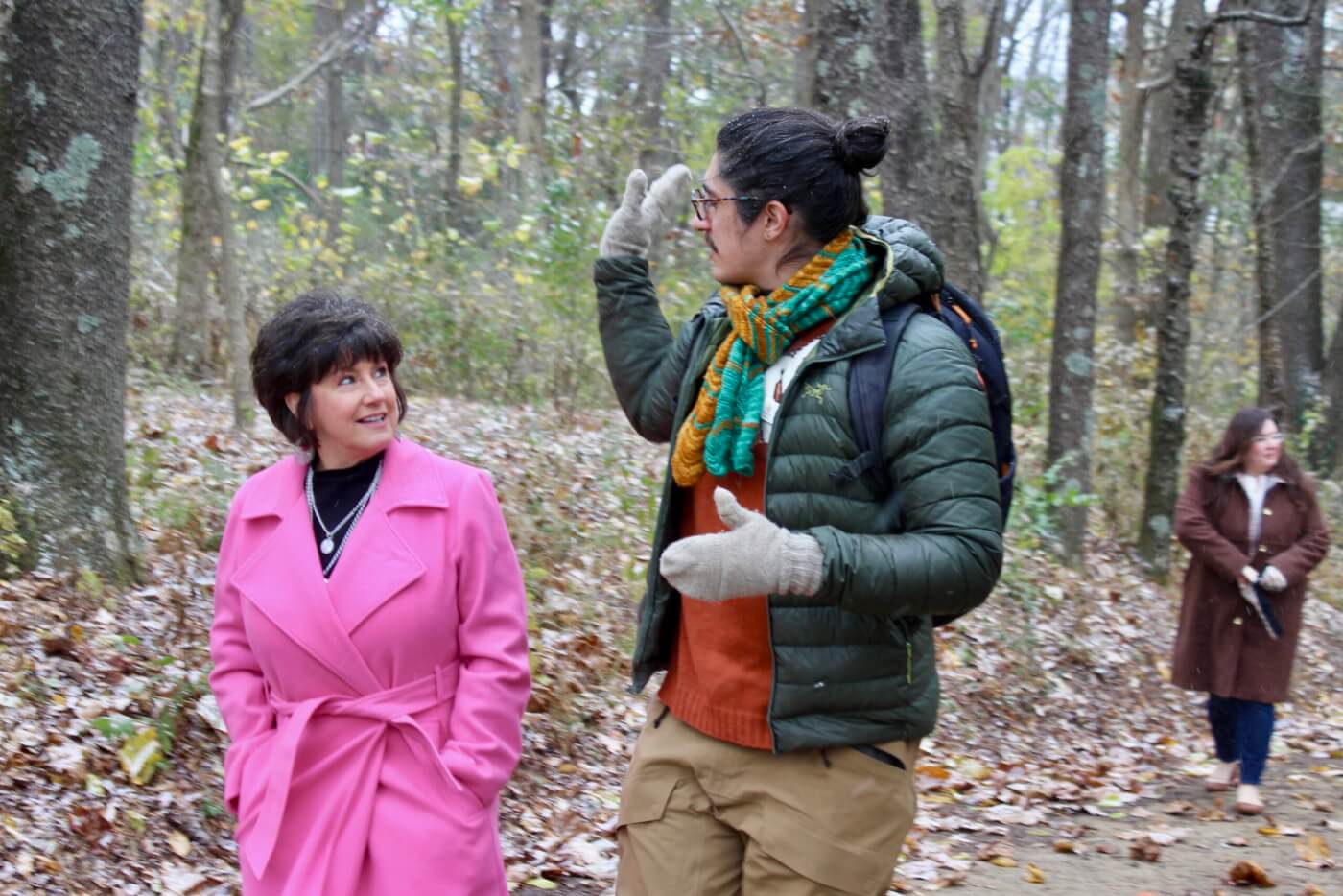
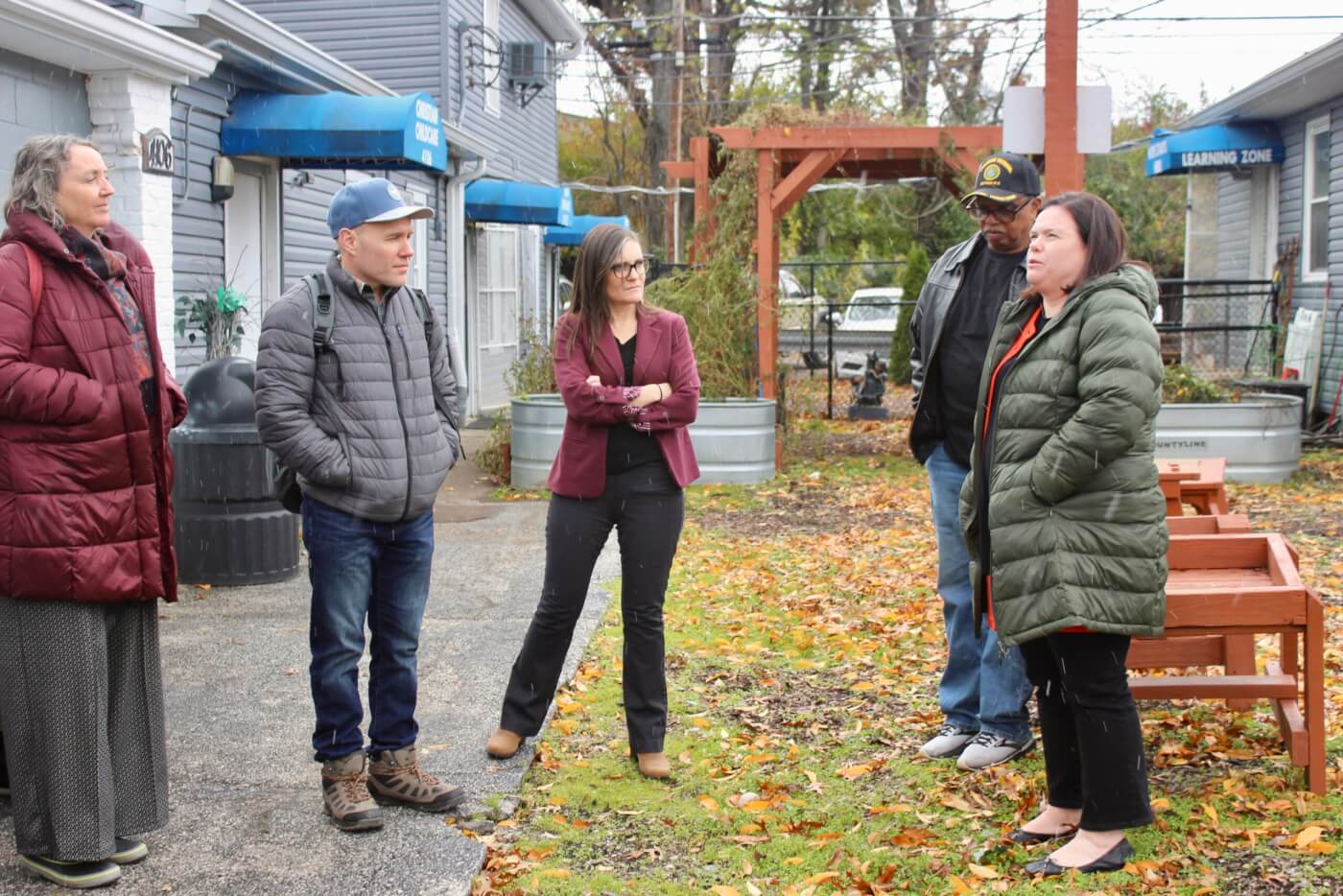
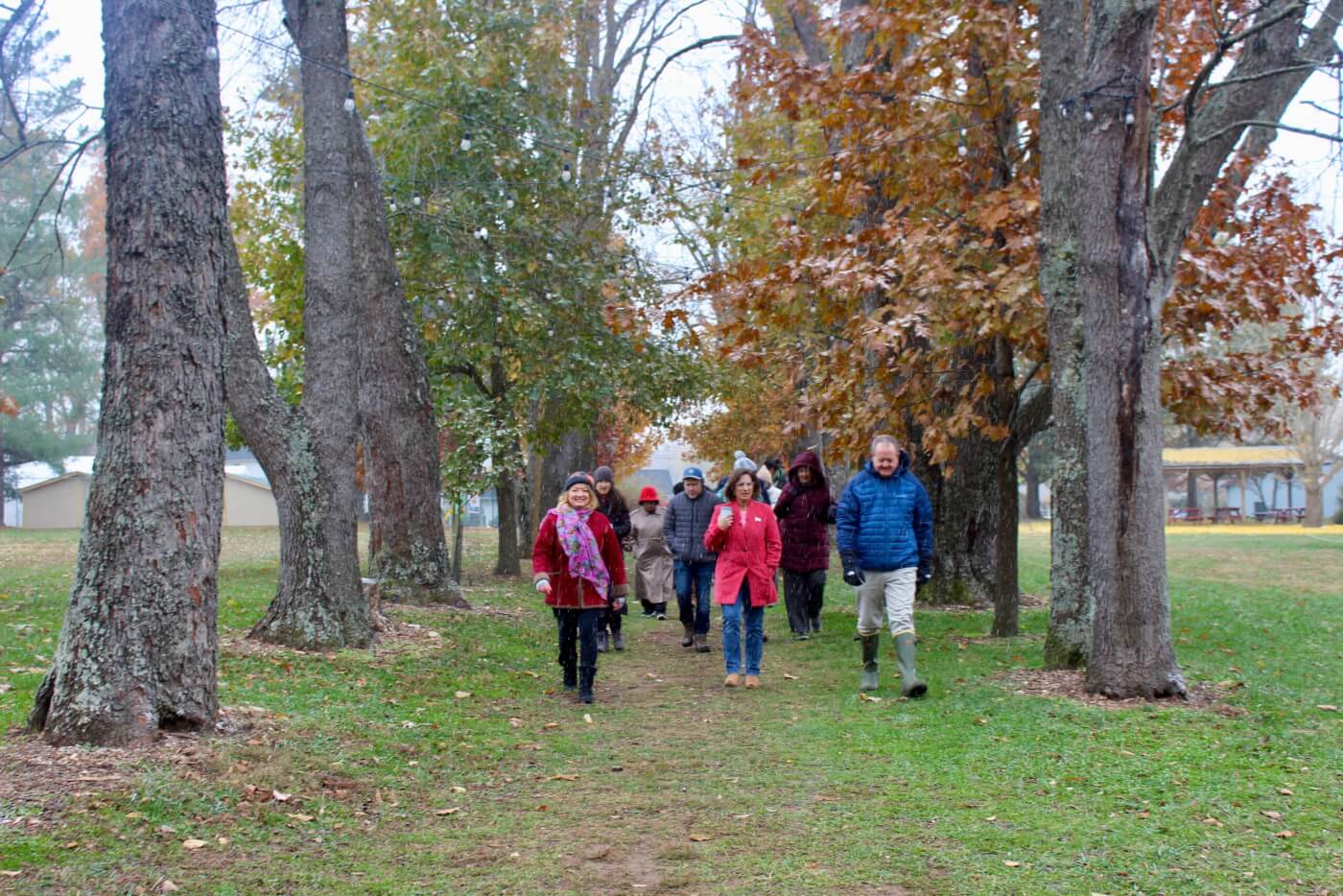
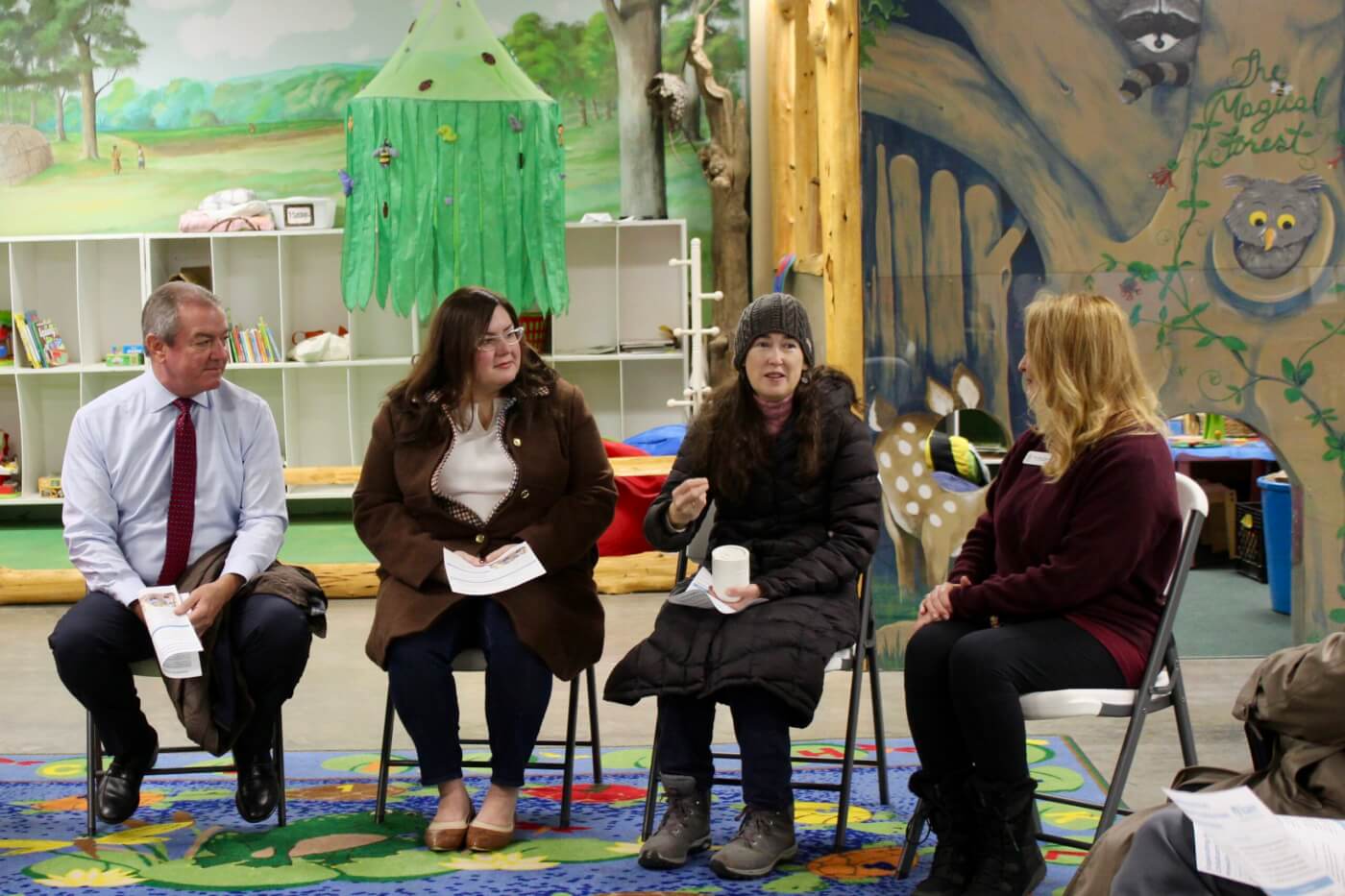
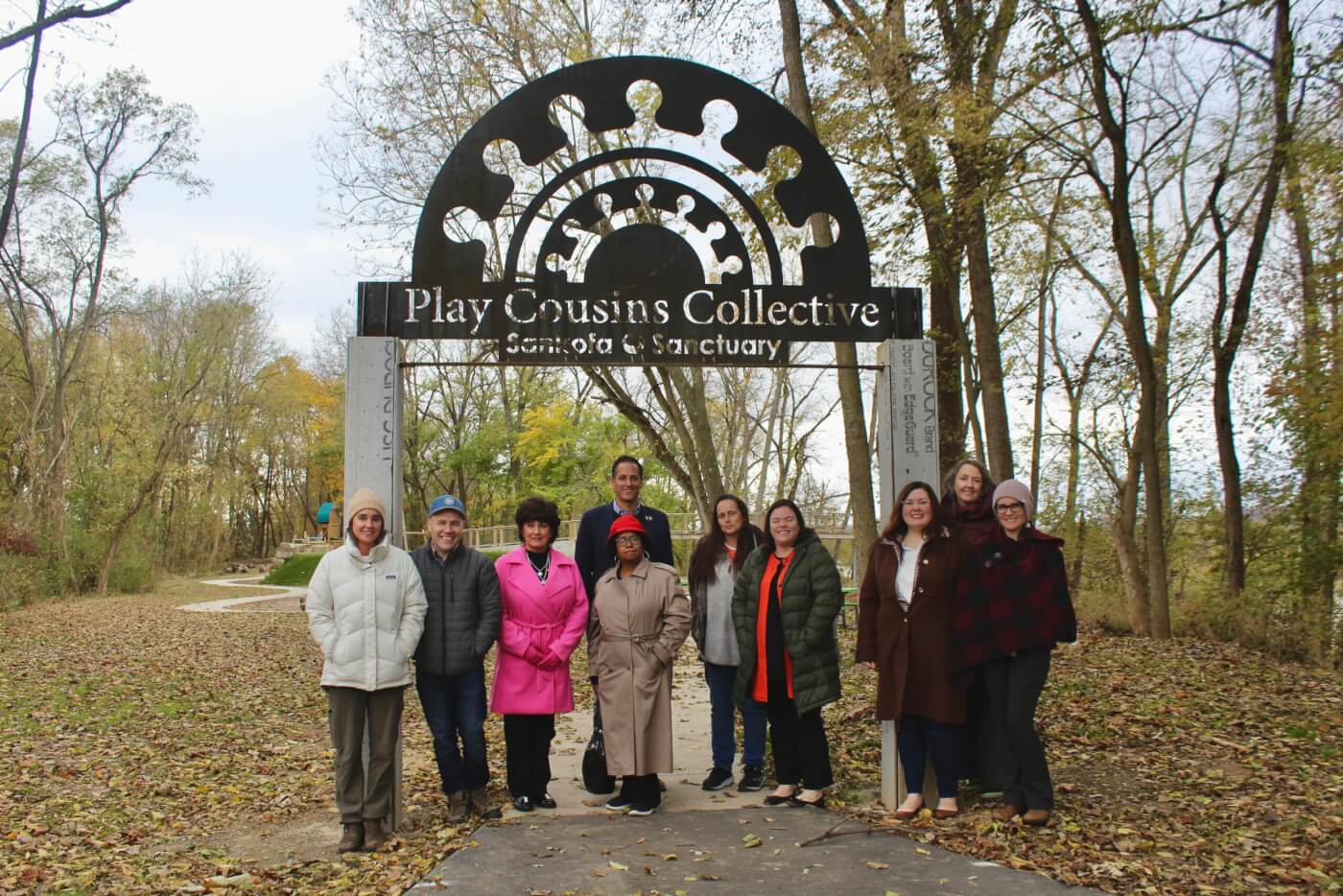
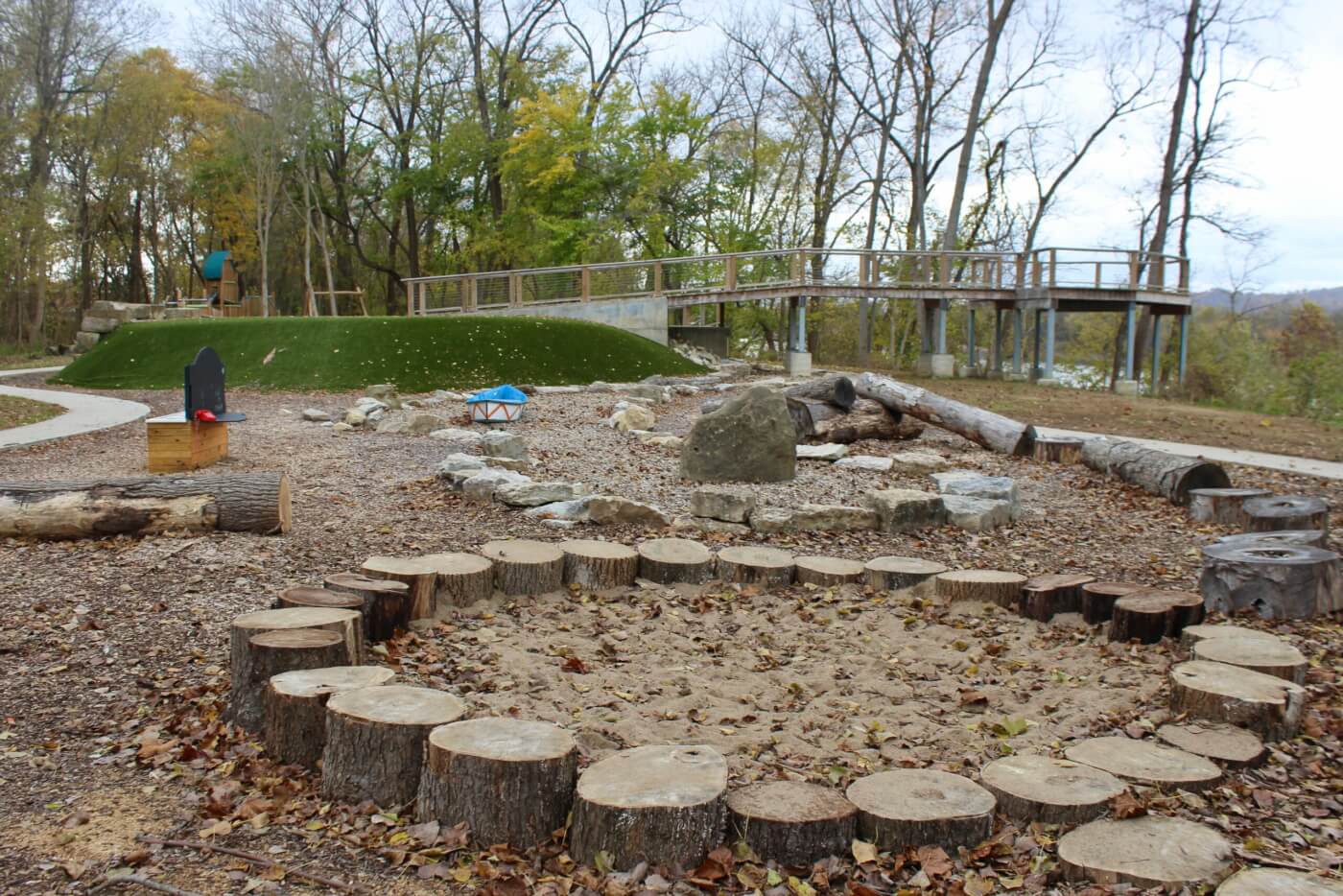
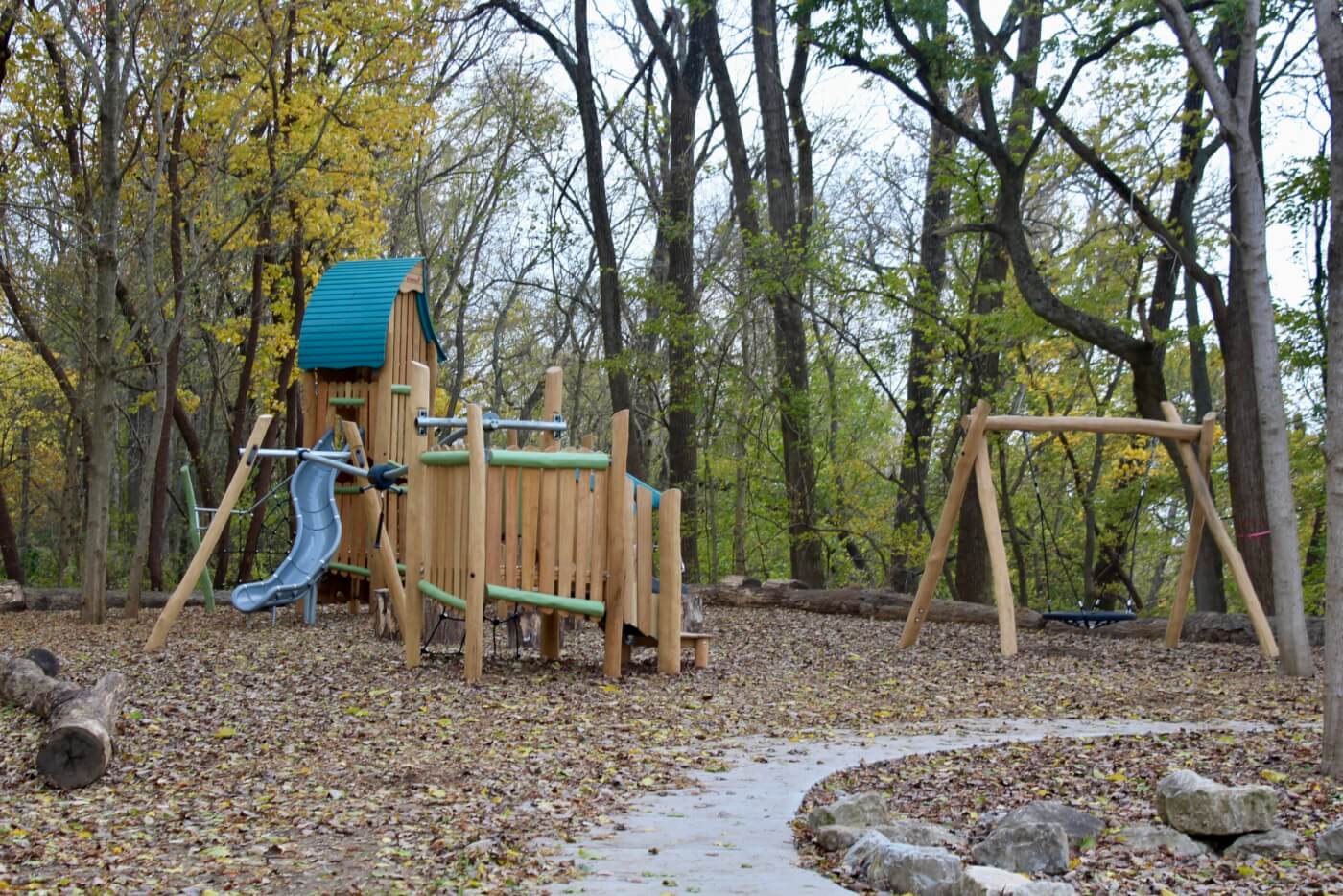
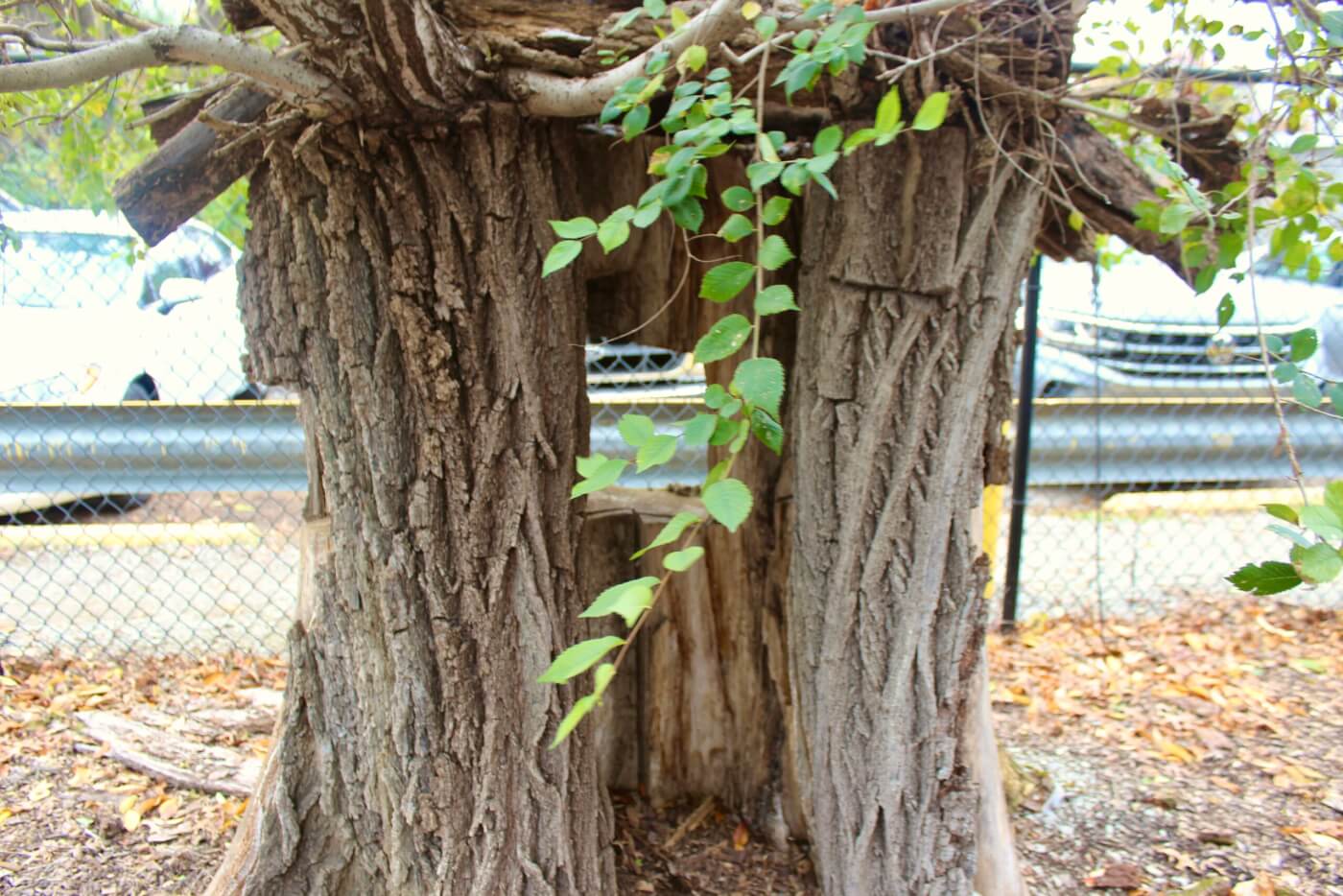
The Louisville-area tour included Thrive Forest Preschool (a forest preschool), Trinity House Child Care (a traditional child care program with a strong emphasis on outdoor learning and play), and the Sankofa outdoor programming at Chickasaw Park. Attending lawmakers included Rep. Vanessa Grossl (R), Speaker David Osborne (R), Rep. Beverly Chester-Burton (D), Rep. Daniel Grossberg (D), and Sen. Lindsey Tichenor (R).
Seeing these programs in action — and in snowy, cold weather — showcased the problem-solving, collaboration and exploration that these programs provide to young children.
2026 legislation
We are expecting a Republican-led and bipartisan bill that will create an advisory committee to work with the Kentucky Child Care Administration (the state agency that oversees state child care programs and related funding) to develop outdoor child care regulations. This process will include creating opportunities for professional development and training for providers, as well as agency staff such as licensors. The Kentucky Association for Environmental Education (KAEE) is working with a myriad of interested parties to ensure that the bill passes and successfully results in more outdoor child care programs that are both engaging and safe for Kentucky’s children. The Children & Nature Network has been supporting the legislative strategy, and the Natural Start Alliance has provided content expertise.
Kentucky is not the first state to develop outdoor child care regulations. Several states, including Washington and Michigan, have regulatory frameworks, and more states are beginning to consider their approaches.
There is support for public-sector efforts to increase nature engagement and learning among young children. The Outdoor and Nature-Based Early Care and Education (ONB ECE) Collaborative was launched in late 2024. The goal of the Collaborative is to increase public policy and funding supportive of ONB ECE at the local, state, and federal levels. The Collaborative includes providers, advocates, early childhood intermediaries, public agencies and more, including LIIF, NIEER, National Wildlife Federation-ECHO, Natural Start Alliance and the National League of Cities. The Collaborative has three Working Groups that are taking a deep dive into potential public policy ideas, supports and communications related to environments and facilities, prenatal-to-age three and family supports, and federal policy.
To learn more about the Collaborative or to join the email list, check out the “Nature in Early Childhood” hub, or please reach out to David Beard, the Director of Policy & Government Affairs at the Children & Nature Network (david@childrenandnature.org). Let’s get kids outside from the start!
Nature in Early Childhood hub, with information about the Outdoor and Nature-Based Early Care and Education Collaborative
Kentucky Association for Environmental Education (KAEE)
Kentucky State Representative Vanessa Grossel (R-Fayette County and Scott County)
“Cross-sector leaders launch national effort to advance nature-based play and learning in early childhood,” Finding Nature News story about the Outdoor and Nature-Based Early Care and Education Collaborative
-
Richard Louv
VITAMIN N FOR THE SOUL: How Nature Can Nourish the Spirit of Children and Adults
-
Network News
Prescribe Outside: Progress moves at the speed of trust in Philadelphia
-
Voices
Nature to screens: How our built environment set the stage for the anxious generation
-
Feature
We’re all looking for the same moon
-
Feature
Forest bathing: Educators need nature connections, too