
Nature to screens: How our built environment set the stage for the anxious generation
In 1994, I made what some thought was a radical decision: I left my busy life in Atlanta, Georgia, and moved my family to our weekend farm — only forty minutes south, yet worlds away. The choice felt instinctual. I felt that something in modern life was fundamentally unhealthy for children and families. At the time, I didn’t have the language to articulate why. I just knew our environment and the very shape of our days felt awkward.
A decade later, Richard Louv’s bestselling book “Last Child in the Woods” landed in my lap and gave voice to the unease I had sensed. Louv coined the now-famous term “nature-deficit disorder,” describing the widening gap between children and the natural world. His insight rang true. He demonstrated how disconnection from nature diminishes attention, imagination, and emotional well-being. But he also pointed to something deeper: when children lose contact with nature, they also lose free, unstructured play, the essential hours in which they explore, create, negotiate, and build confidence in themselves and their surroundings.
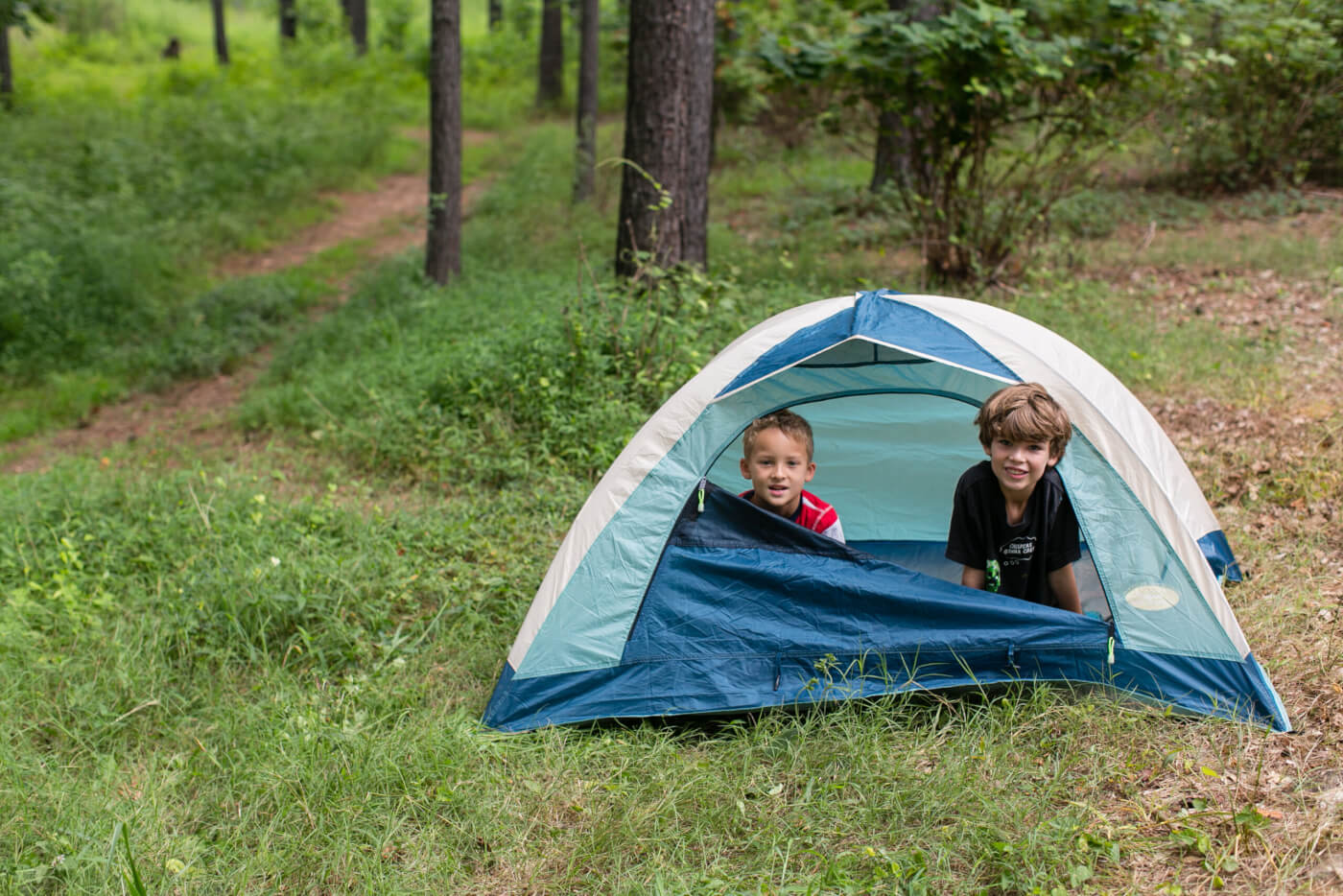
Children learn how to build tents, canoe and fish during Camp Serenbe nature summer camp.
Louv helped me understand what I had witnessed firsthand. Time in nature builds calm and curiosity, while isolation indoors breeds stress, fragmentation, and fear.
Now, nearly three decades later, Jonathan Haidt’s “The Anxious Generation” picks up the story that Louv began. Haidt argues that smartphones and social media have completely rewired childhood, replacing outdoor play and in-person relationships with digital dependence, constant social comparison, and addictive feedback loops. His case is powerful — and he is right.
But the crisis didn’t begin with technology.
It began long before, with the way we built our communities. Since the post–World War II building boom, suburban design has quietly reshaped childhood and family life. Cul-de-sacs, single-use zoning, and car-dependent streets without sidewalks isolated families from one another, even as they promised safety and convenience. Houses moved farther apart. Schools consolidated and moved miles away. Corner stores and parks disappeared. Fences replaced front porches. And streets became places only for cars, not for daily life or neighbors — and certainly not for children.

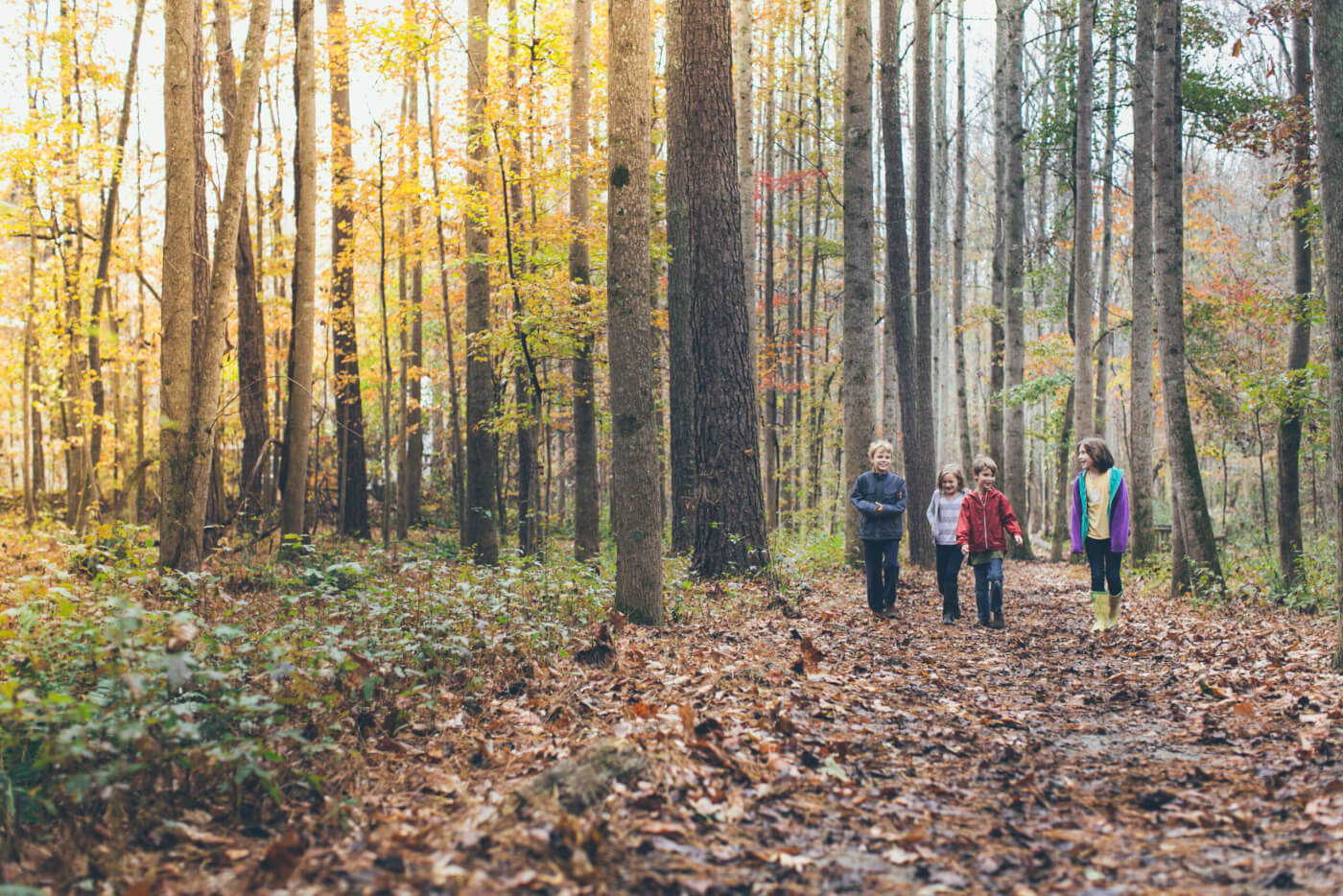
Children examine a spider discovered on a trail walk.
These design choices, then codified into zoning regulations, created the perfect conditions for fear-based parenting. With no sidewalks, no nearby destinations, and no casual adult presence (“eyes on the street”), parents began to believe their children were unsafe unless they were supervised every moment. Independence dwindled. Children stopped walking or biking to school or friends’ houses. And parents, by necessity, became full-time chauffeurs. What was once a childhood of free-roaming exploration became a sequence of car rides.
Because children could no longer roam freely, parents compensated by loading afternoons and weekends with structured activities: sports, lessons, tutoring, clubs, camps. What looked like enrichment was often simply the only available alternative to the free play our neighborhoods no longer supported.
Overscheduling became the norm and family dinners became the casualty. When siblings have practices across town at overlapping times, and when parents spend hours each day shuttling children from one activity to another, the evening meal — the ritual that grounds and connects families — slowly disappears. Research shows that family dinners improve academic outcomes, emotional resilience, and long-term well-being. Yet our built environment has made them nearly impossible to maintain.
Showing off a pepper plant in the greenhouse.
The result goes beyond logistical strain to emotional fragmentation. Parents are exhausted. Children are isolated from nature, disconnected from peers, and dependent on screens as the primary source of stimulation and social connection. Haidt rightly points to smartphones as the culprit — but smartphones filled a vacuum left by the loss of accessible community life. When free-range childhood disappeared, phones became the new playground — shiny, portable, algorithmically engineered, and profoundly lonely.
Seen together, Louv and Haidt are describing two chapters of the same story: the erosion of free play, independence, and connection; and the creation of environments that made that erosion inevitable.
Yet neither author goes to what I believe is the deepest root: we designed, zoned, financed, and regulated our neighborhoods into isolation, and we normalized those decisions as “the way things are.” But environments are not destiny. Communities that integrate nature, walkability, and meaningful social fabric — places where children can roam safely and where neighbors know one another — restore the balance both authors call for. We see this every day at Serenbe, the biophilic community that I founded to embody these principles, and in other communities around the world that prioritize intentional, human-scale design.
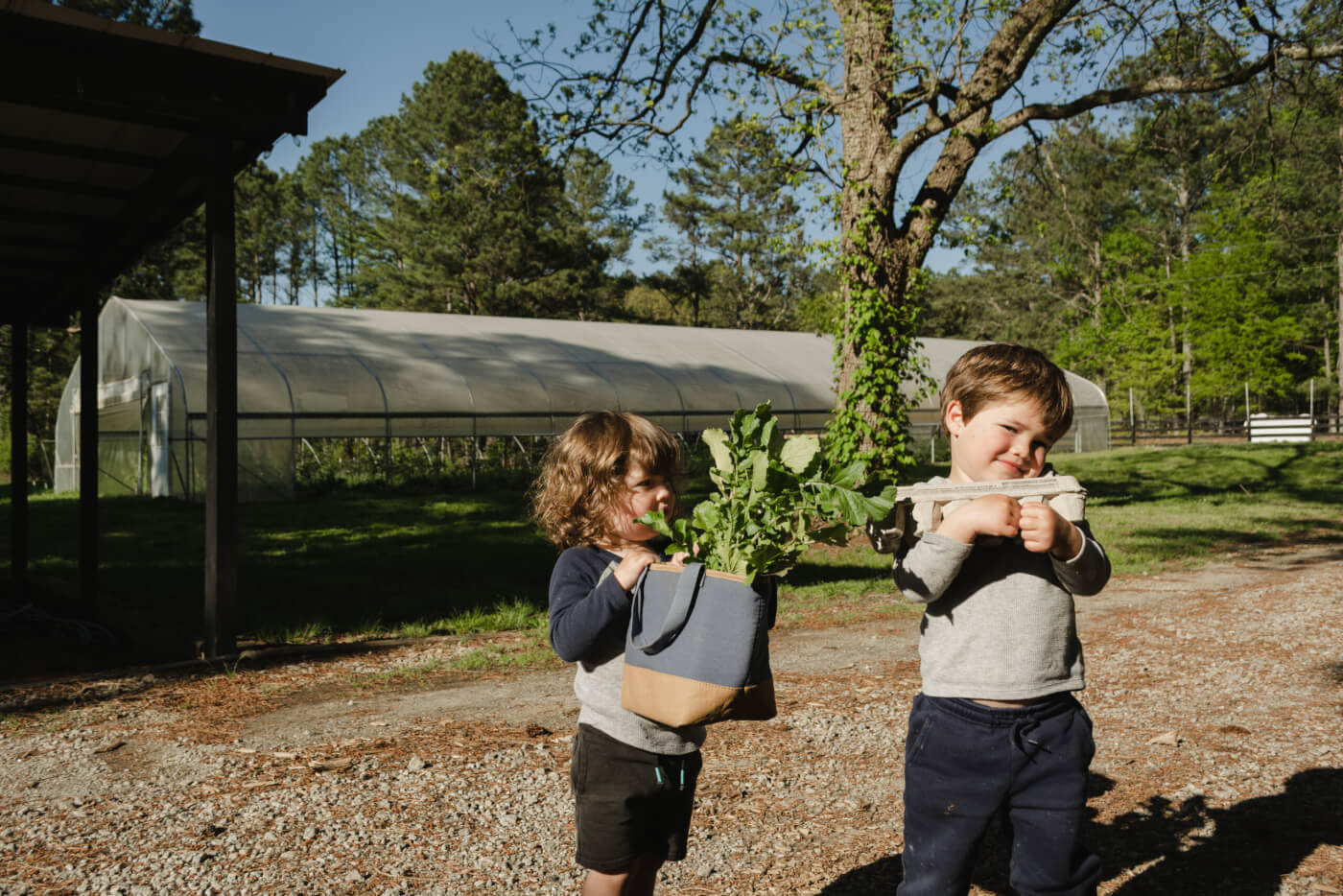
Kids picking up the community farm share at Serenbe. They can walk or bike to get their weekly veggies.
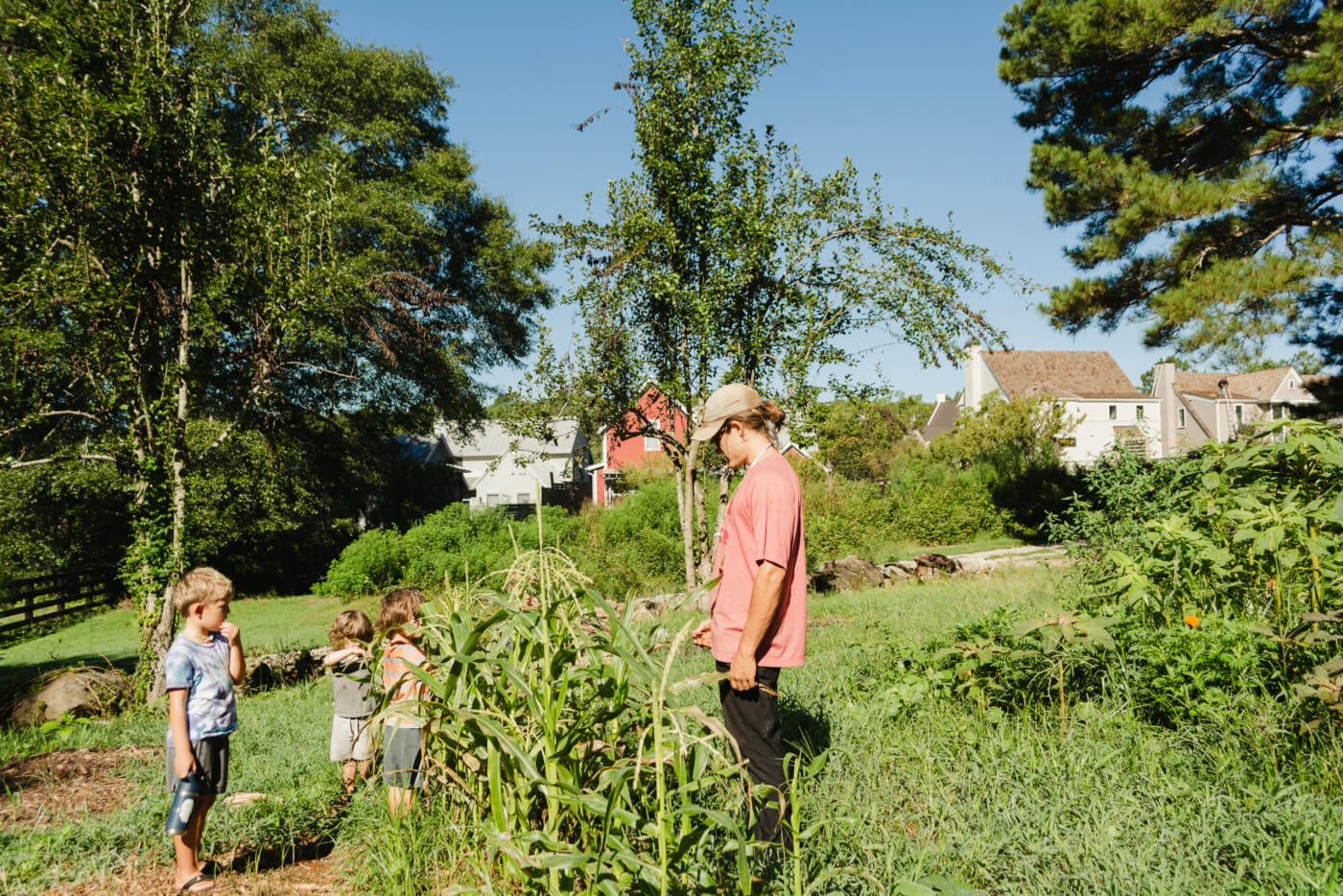
Serenbe's organic farm offers kids farming and gardening classes.
That is the heart of my book, “Start in Your Own Backyard: Transforming Where We Live with Radical Common Sense.” The rise of an anxious generation is not merely the byproduct of smartphones; it is the predictable outcome of neighborhoods that work against human nature. But the good news is: we can choose differently. We can rethink zoning, land use, and cultural priorities so that connection — not isolation — becomes our organizing principle.
Because the antidote to anxiety isn’t found on a screen. It’s found just outside our back door.
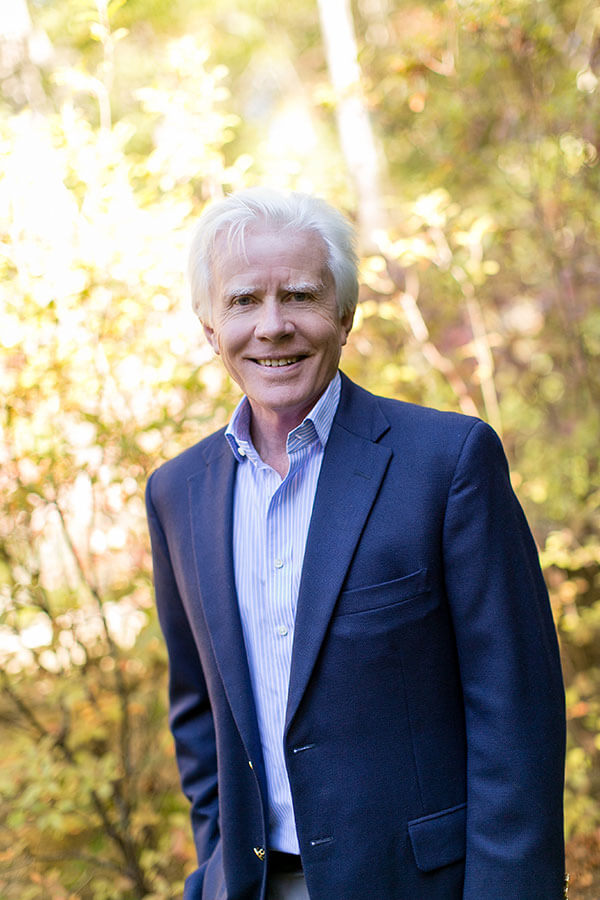
Learn more about Steve Nygren on his website and check out his book, “Start in Your Own Backyard: Transforming Where We Live with Radical Common Sense”
Richard Louv defines nature-deficit disorder
More resources about and for families
“Nature as Healer: Building a movement for children’s mental health in nature,” by Kristy Omelianuk
“How walking home from school led me into the embrace of nature,” by Tonyaa J. Weathersbee
-
Richard Louv
VITAMIN N FOR THE SOUL: How Nature Can Nourish the Spirit of Children and Adults
-
Network News
Prescribe Outside: Progress moves at the speed of trust in Philadelphia
-
Voices
Nature to screens: How our built environment set the stage for the anxious generation
-
Feature
We’re all looking for the same moon
-
Feature
Forest bathing: Educators need nature connections, too