

A desert bloom in Arizona: Pima County Connecting Children to Nature
Things often grow slowly in the desert. Take the saguaro cactus. At Saguaro National Park outside Tucson, Arizona, it takes 75-100 years for these giants to sprout their first arm.
But deserts can spring to life surprisingly fast when the conditions are right. A well-timed rain can trigger a “desert bloom” — a phenomenon that occurs when dormant seeds sprout, plants literally grow a foot overnight, and cacti and wildflowers erupt in super blooms.
A desert bloom is a symbol of hope and resilience — a reminder from nature that change can take root in harsh environments. It’s also a good metaphor for Pima County Connecting Children to Nature and the movement that’s blooming thanks to their work.
Pima County Connecting Children to Nature
Pima County Connecting Children to Nature (PCCCN) is a coalition committed to increasing early childhood nature access around Tucson, Arizona. Research has linked more early childhood nature engagements to healthier birth weights, vision, social-emotional well-being, and cognitive development. Recognizing these benefits, the coalition strives to provide safe and equitable access to nature for every child in Tucson — a desert community where many families face the challenges of meeting basic needs.
PCCCN began as a partnership of the United Way of Tucson and Southern Arizona, the Prescott College Center for Nature & Place, and Pima County Conservation Lands & Resources. Over the past three years, however, it’s bloomed into a broader coalition with more than 60 network partners working on children-nature connections, climate resilience, environmental justice, and nature-based play and education.
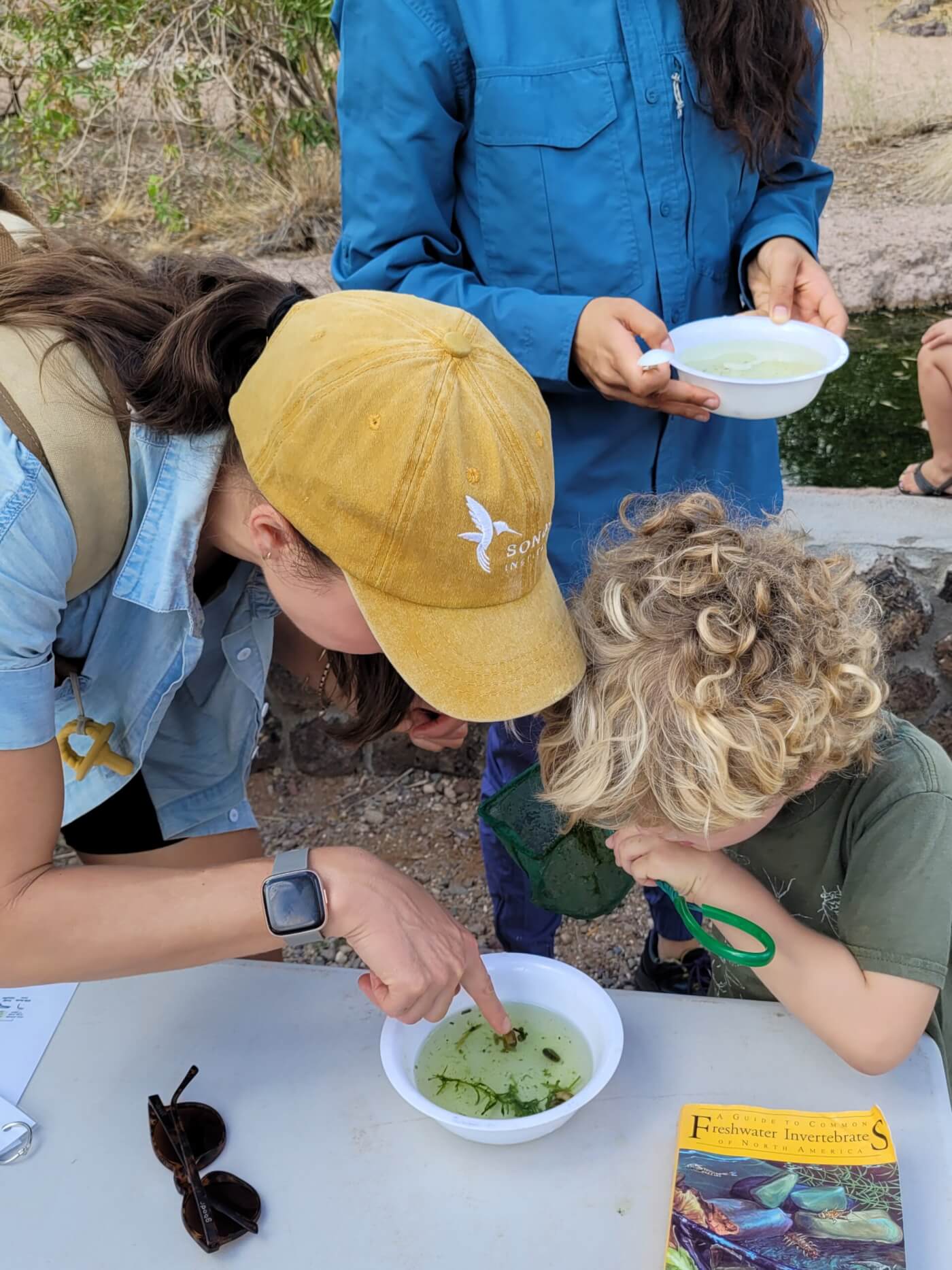
Pima County Connecting Children to Nature partners are promoting nature play in a desert environment. Several partners offer nature play experiences for children, such as these examples from Pima County Conservation Lands and Management, while others offer specialized, nature-based professional development opportunities for educators. The network is now leading to a proliferation of new partners and expanding reach to children in communities with limited access to nature play.
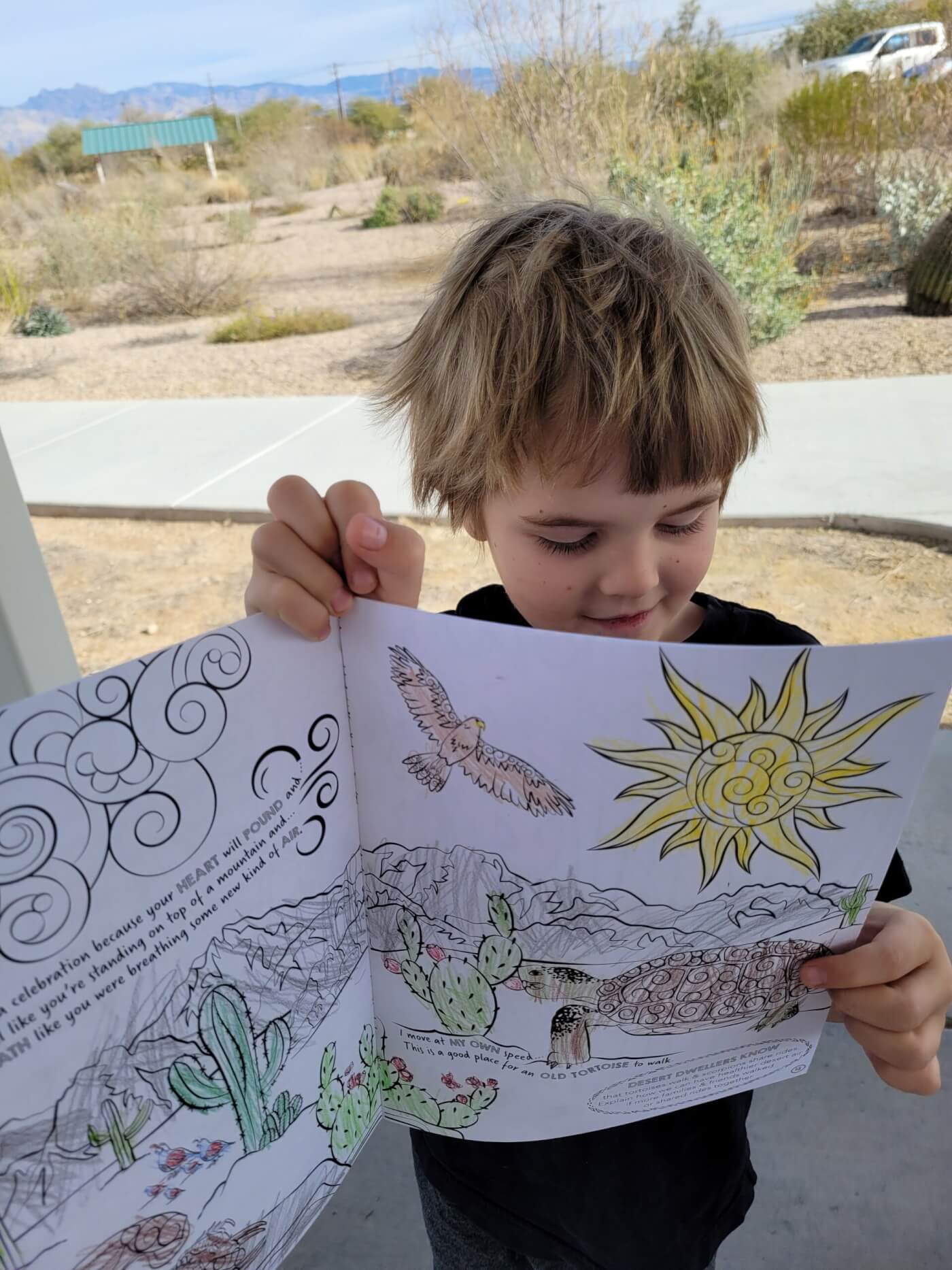
Pima County Connecting Children to Nature partners are promoting nature play in a desert environment. Several partners offer nature play experiences for children, such as these examples from Pima County Conservation Lands and Management, while others offer specialized, nature-based professional development opportunities for educators. The network is now leading to a proliferation of new partners and expanding reach to children in communities with limited access to nature play.
Pima County Connecting Children to Nature partners are promoting nature play in a desert environment. Several partners offer nature play experiences for children, such as these examples from Pima County Conservation Lands and Management, while others offer specialized, nature-based professional development opportunities for educators. The network is now leading to a proliferation of new partners and expanding reach to children in communities with limited access to nature play.
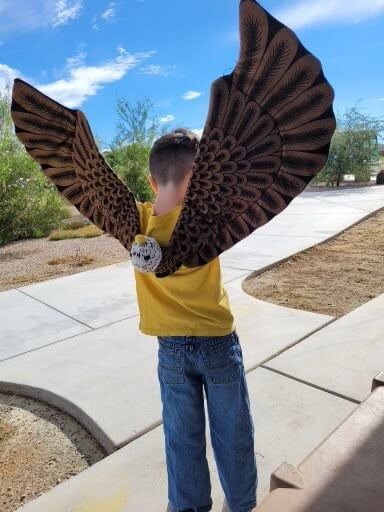
Pima County Connecting Children to Nature partners are promoting nature play in a desert environment. Several partners offer nature play experiences for children, such as these examples from Pima County Conservation Lands and Management, while others offer specialized, nature-based professional development opportunities for educators. The network is now leading to a proliferation of new partners and expanding reach to children in communities with limited access to nature play.
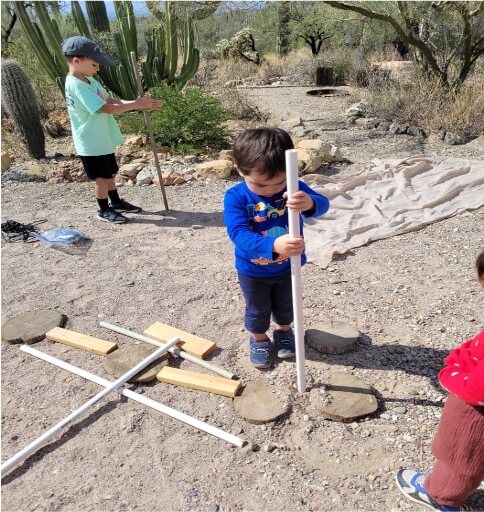
Pima County Connecting Children to Nature partners are promoting nature play in a desert environment. Several partners offer nature play experiences for children, such as these examples from Pima County Conservation Lands and Management, while others offer specialized, nature-based professional development opportunities for educators. The network is now leading to a proliferation of new partners and expanding reach to children in communities with limited access to nature play.
This rapid growth coincided with PCCCN joining the Cities Connecting Children to Nature Early Childhood Cohort in 2022 and the Nature Everywhere Communities initiative in 2023. These initiatives provided seed funding and technical assistance to expand more equitable access to nature for children in Pima County.
This support has been instrumental in growing the network and its impact. Over the past three years, PCCCN has redesigned parks in high-need areas and provided nature-based professional development to 50 early childhood educators, and reached over 500 children.
Ripple Effects Mapping
To understand how their work has taken root and sprouted so quickly in the Sonoran Desert, key PCCCN partners recently completed a participatory evaluation process called Ripple Effects Mapping, resulting in a report about the ripple effects of PCCCN. Ripple Effects Mapping (REM) is an evaluation method that engages program participants to map the chain of effects resulting from a program or initiative, using elements from other strategies such as mind mapping, group interviewing and qualitative data analysis. In Pima County, that process evaluated community-generated data and stories to identify key components of the PCCCN’s recent success:
Ripple effects of Pima County Connecting Children to Nature:
- Activating an organic network of people and organizations around a shared vision.
- Developing the Children’s Equity Nature Index to understand how children’s access to nature varied across their community.
- Centering youth leadership and community engagement to elevate nature connections.
- Institutionalizing change in new programs, professional development, and policy.
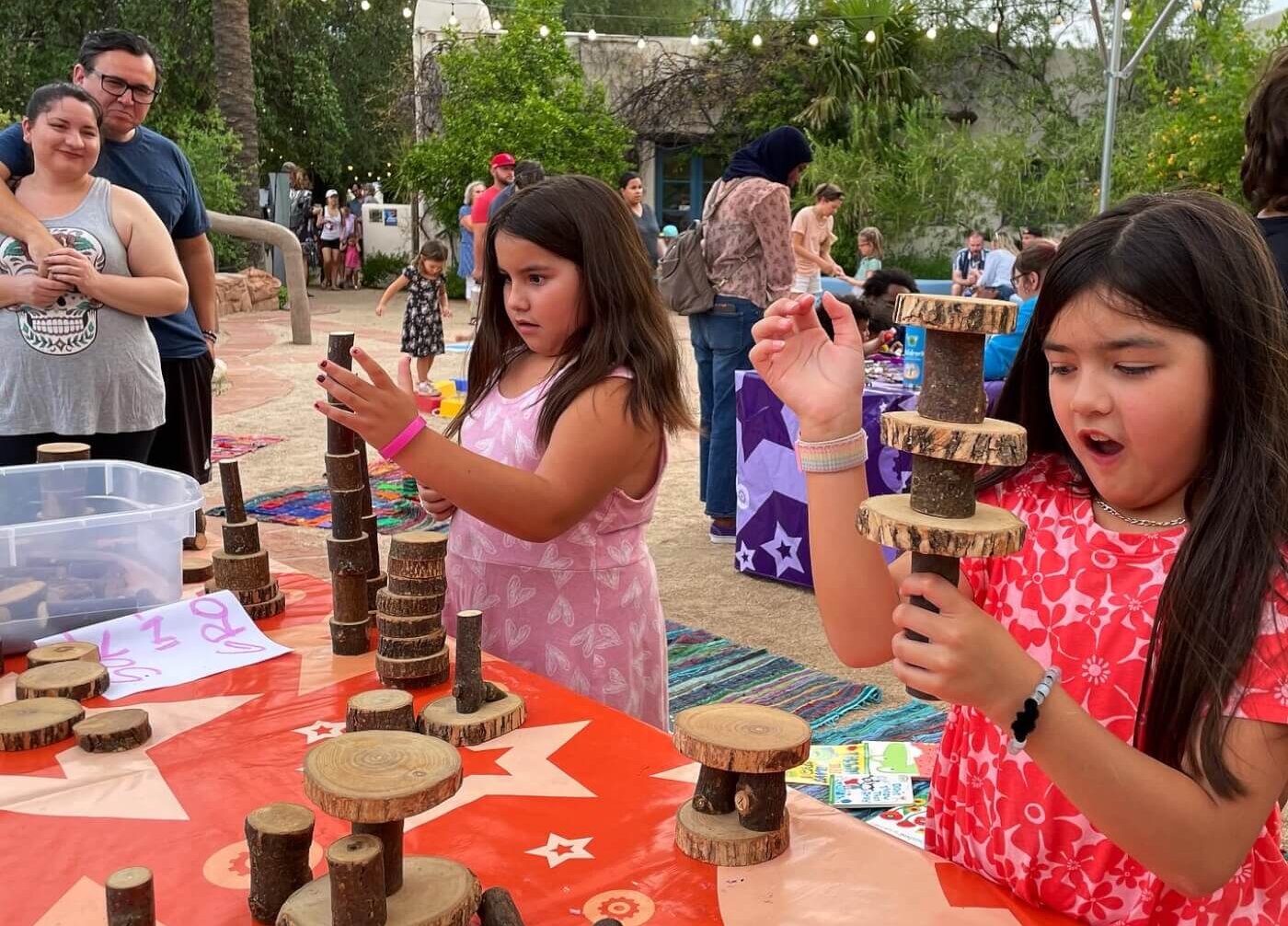
Collaboration in the PCCCN network has expanded nature-connection opportunities to children and their families across the city of Tucson. More than 60 partner organizations coordinate nature-based events and programming, including libraries, schools and community organizations. This photo illustrates one such example from Children's Museum Oro Valley at Tohono Chul Park, an innovative partnership between Tohono Chul Botanical Garden and the Children's Museum Tucson where visitors can experience exhibits and programs of both for one entry fee.
Organic network
PCCCN’s ability to turn a previously fragmented group of stakeholders into a collaborative network has been pivotal. According to participants in Ripple Effects Mapping, strengthening local partnerships has felt organic:
Everyone I talk to is so passionate about this vision and work—the networking feels so organic. It’s really beautiful with so much negativity happening in the world. At that first convening, we weren’t really sure anyone would show up. But everyone came through and committed to getting involved. It was incredible.
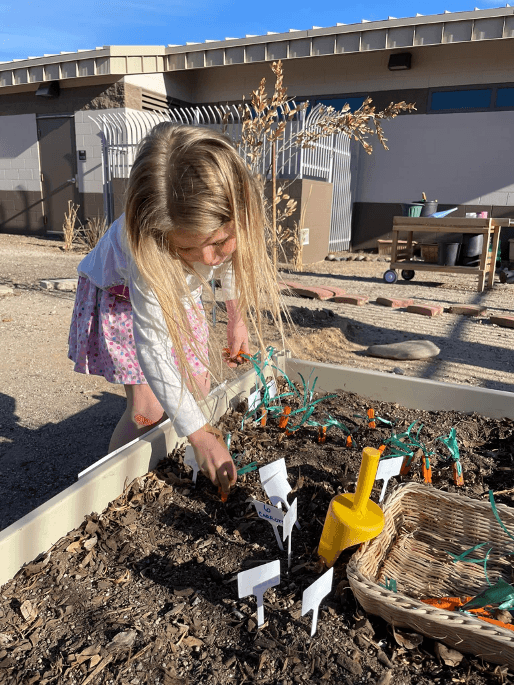
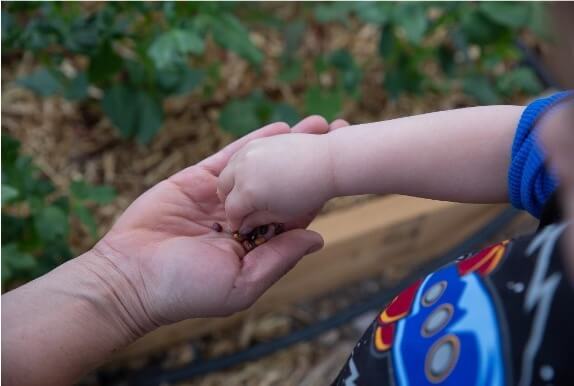
The Nurture Through Nature Community of Practice provided approximately 50 educators with nature-based professional development and established demonstration sites to support early childhood nature connection. Through these efforts, children in early childcare facilities have more opportunities to engage with and learn from nature. In this photo, a child works in a garden in the Sonoran Classroom at the Emily Meschter Early Learning Center in the Flowing Wells School District, a pioneer in nature-based early education in Tucson. Photo courtesy of PCCCN.
The PCCCN steering committee and coalition members also have created a dynamic environment where relationship-building has translated directly into new programs, specialized training, and funding. Here are some examples:
- By pooling resources and expertise, the network embedded nature-based learning into library systems and inspired school partnerships.
- PCCCN launched the Nurture Through Nature Community of Practice through a United Way collective to provide educators with nature-based professional development and to create demonstration sites for nature-based learning in early childhood settings.
- In a collaborative project, Tucson Parks and Recreation tapped into the network’s expertise to involve partners and kids at Southside Community School to design a new nature-based playground.
Children’s Equity Nature Index
The organization’s collaborative culture and seed funding also equipped PCCCN to develop planning tools to guide program expansion and allocate resources more equitably.
In particular, PCCCN completed the Children’s Equity Nature Index — a GIS map that plots how children’s access to nature varies across Pima County. This equity map helped the City of Tucson Parks & Recreation to prioritize redesigns of two parks in areas lacking sufficient nature access. It also enabled the Nurture Through Nature Community of Practice to identify high-need areas when selecting recipients for early childhood education mini-grants.
“Nothing for us without us”
PCCCN has also prioritized the voices of children and residents to ensure its vision and projects accurately reflect community needs and assets. According to PCCCN founding member and Associate Vice President of Early Childhood Education at United Way of Tucson, Monica Brinkerhoff, the group’s ethic of community engagement and youth leadership is, “Nothing for us without us” — meaning parks and programs should be designed with the input of those who will use them.
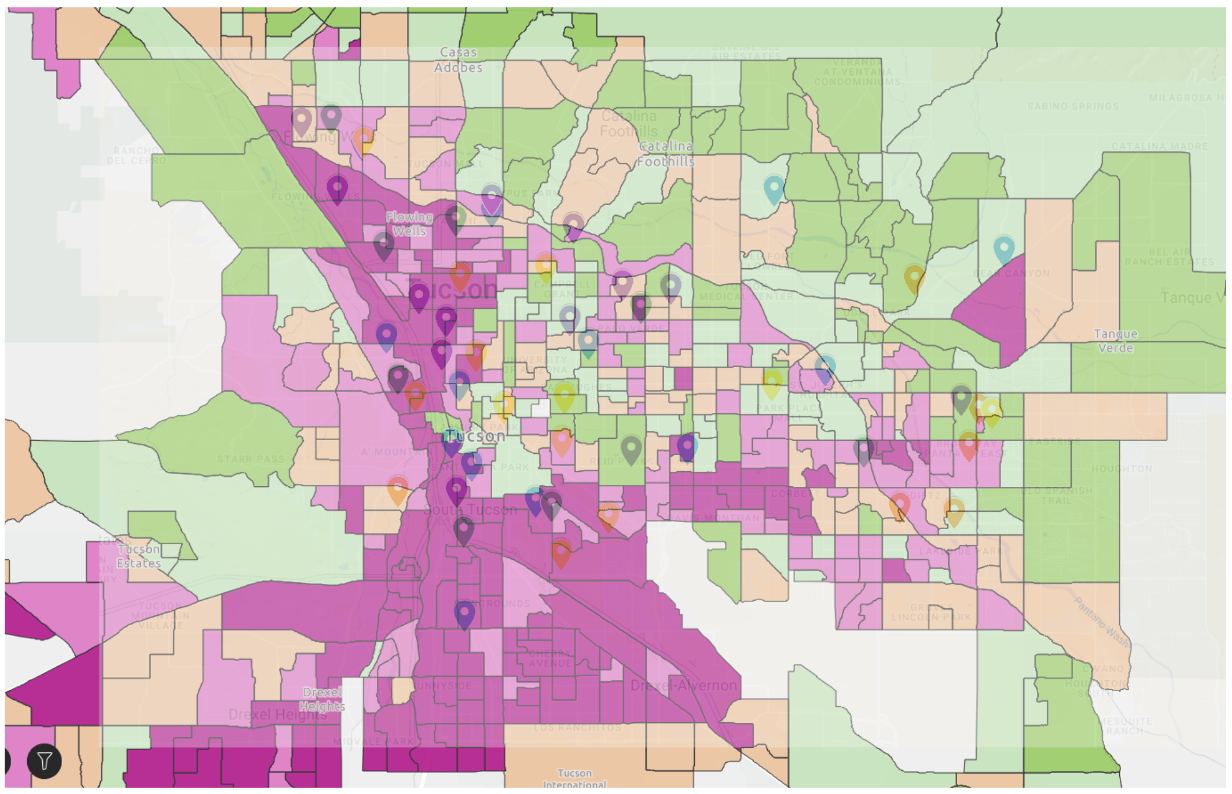
The Children’s Equity Nature Index (link) shows priority areas for improving children’s access to nature. The map has helped guide priority areas for early childhood educator training, park improvements and community outreach efforts. The map is also a resource for regional active transportation planning and policies that will support neighborhood connections to nature.
One key implementation strategy is involving children directly in park redesign. In one nature playground design meeting, K-3 students from a neighboring school shared their ideas. This input revealed that children often desire simple, imaginative elements, such as climbing rocks and splashing puddles. The PCCCN integrated these ideas into the draft designs and then invited children back to vote on the final concepts. Melissa Mundt, PCCCN Chair and Pima County Environmental Educator Program Coordinator, shared,
The kids were so excited to share their ideas. We made sure their ideas came through in the draft designs and then took those designs back to them to vote. They were beyond engaged and I’m sure will be the park’s biggest fans, because we showed we cared by asking them.
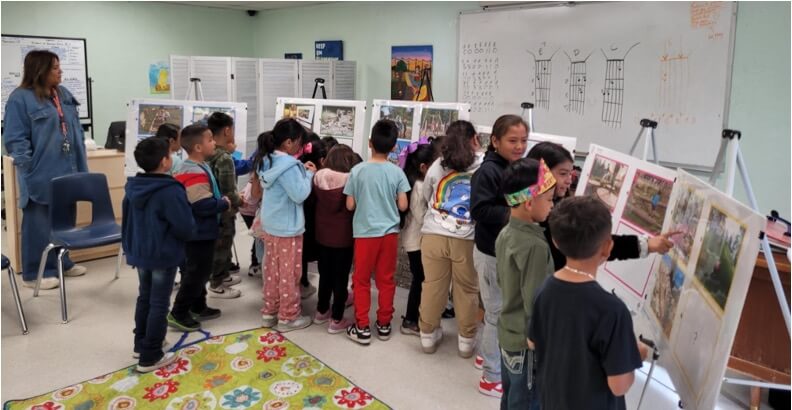
Pima County Connecting Children to Nature partners piloted youth engagement in park design by involving 80 students (kindergarten through third grade) in a park playground design charrette. Students were invited to share what they wanted to see in nature play spaces near their schools. Youth engagement in the design process is now a model for the City of Tucson Parks and Recreation planning, ensuring that new park projects reflect community needs and interests.
Planning, policy, perceptions
PCCCN’s rapid growth over the past three years is encouraging. However, desert blooms can be short-lived. New growth is vulnerable until it’s deeply rooted in its ecosystem.
The same is true of change. New initiatives need to be embedded in plans and policies for change to be systemic.
In this case, PCCCN has integrated nature into established programs and leveraged existing funding, creating institutional support for children’s connection to nature. For example, the coalition now supports early childhood educators through the Nurture Through Nature Community of Practice — a professional development program funded by First Things First, a voter-supported agency that funds education and health programs in Arizona for young children from birth to age 5.
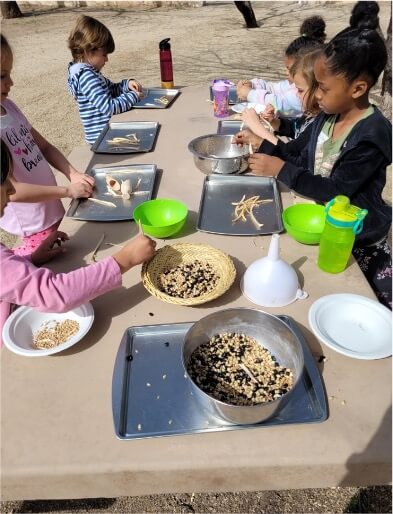
Educator training and youth programming focus on growing educators’ and caregivers’ access to and knowledge about outdoor and nature-based play and education. The network brings the joy of nature connection to youth and families in many programs, including those offered at libraries, through the County’s environmental education efforts, and via Family Resource Centers and home visiting programs.
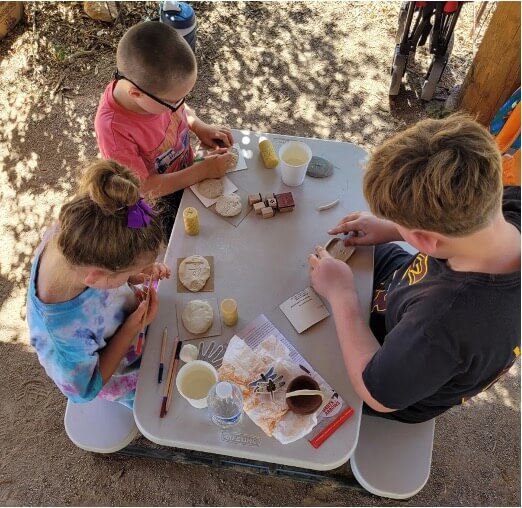
Educator training and youth programming focus on growing educators’ and caregivers’ access to and knowledge about outdoor and nature-based play and education. The network brings the joy of nature connection to youth and families in many programs, including those offered at libraries, through the County’s environmental education efforts, and via Family Resource Centers and home visiting programs.
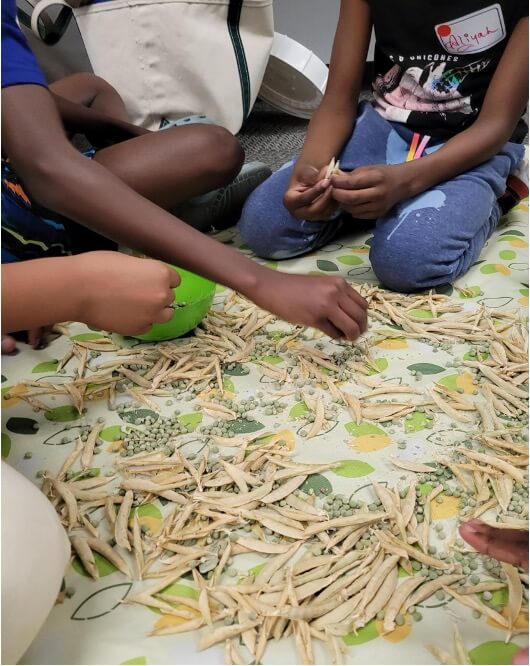
Educator training and youth programming focus on growing educators’ and caregivers’ access to and knowledge about outdoor and nature-based play and education. The network brings the joy of nature connection to youth and families in many programs, including those offered at libraries, through the County’s environmental education efforts, and via Family Resource Centers and home visiting programs.
Educator training and youth programming focus on growing educators’ and caregivers’ access to and knowledge about outdoor and nature-based play and education. The network brings the joy of nature connection to youth and families in many programs, including those offered at libraries, through the County’s environmental education efforts, and via Family Resource Centers and home visiting programs.
To “plant seeds” for policy change, PCCCN also met with elected officials and city commissioners in April 2025 — a “galvanizing” meeting that has helped the coalition promote nature connections through local infrastructure.
These political connections led to the county including access to nature in the Pima Prospers Comprehensive Land Plan. This 10-year policy plan includes:
- Access to nature and green spaces across Pima County with special attention to underserved communities
- Green infrastructure that serves as nature access points and environmental learning spaces for children.
In spite of these policy wins, it’s proved to be more difficult to change attitudes and beliefs throughout the community.
Another challenge is positioning nature access as essential when many people are facing the challenges of meeting their basic needs. In this context, “‘children and nature’ seems like a luxury” for some community members, according to participants in the Ripple Effects Mapping process.
To counteract this perception, PCCCN is working to communicate the ways that access to nature is an answer to systemic issues — such as mental health, economic mobility, and climate justice. This will help community members understand that increasing equitable access to nature addresses a range of developmental, economic and community concerns.

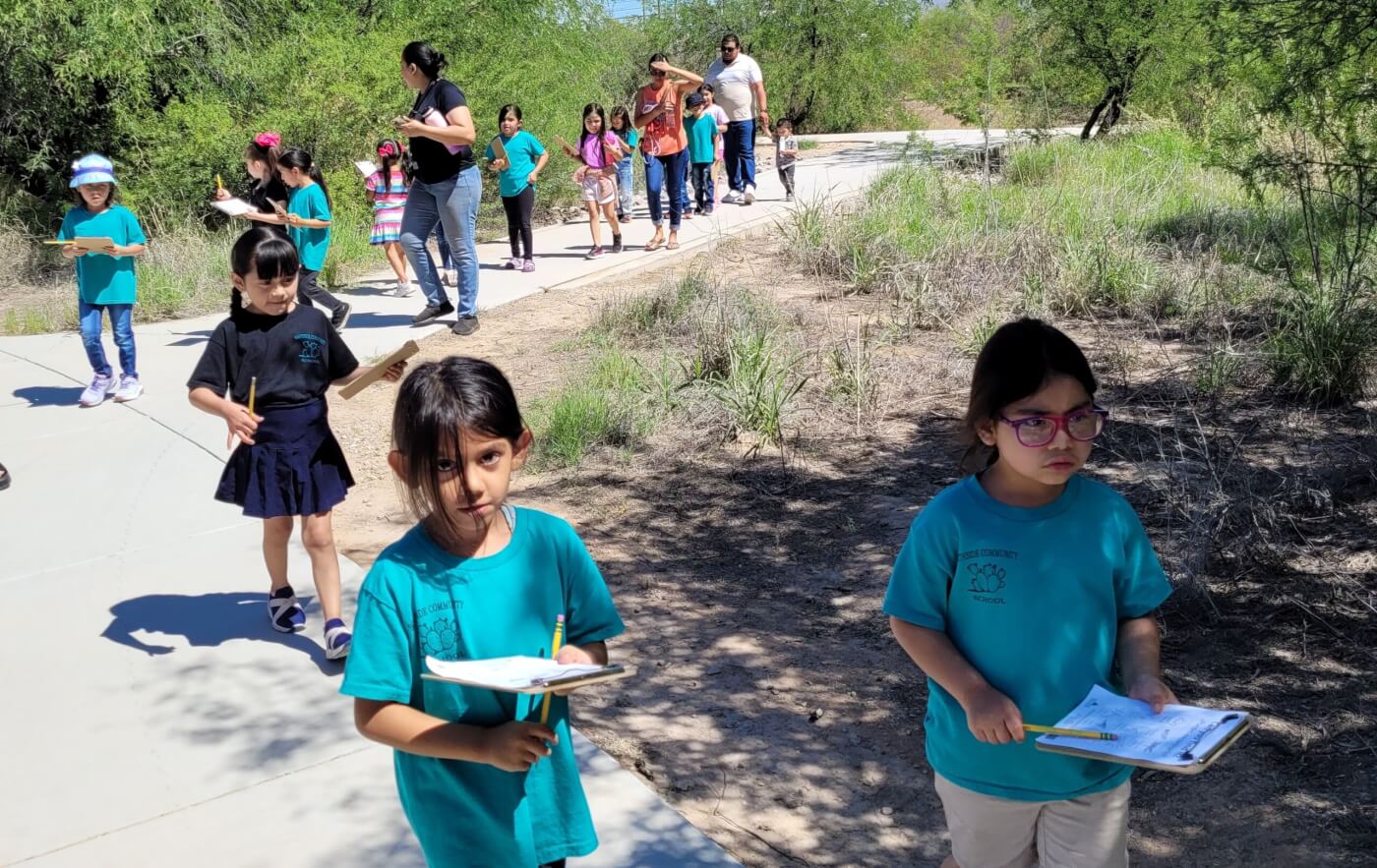
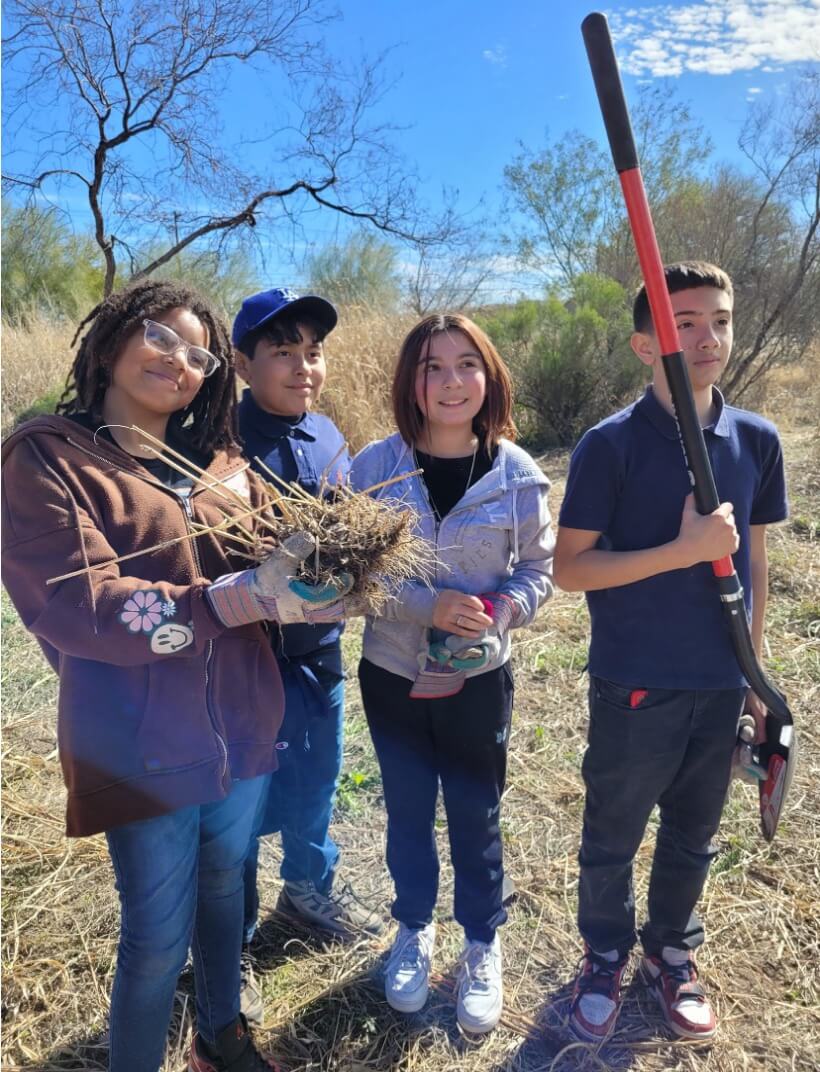
Children explore the Sonoran Desert and gain an appreciation for the unique biodiversity of the landscape.
Systems change in the Sonoran Desert
The case of Pima County Connecting Children to Nature points to the power of organic partnerships, community outreach and policy connections. In three short years, this small partnership has sprouted into a robust network, providing young children more equitable access to nature playgrounds and greenspaces and supporting the early childhood educators who facilitate children-nature connections. As the PCCCN leads local efforts to pass a Children’s Outdoor Bill of Rights, there’s hope that they’ve helped establish deep roots for children’s equitable access to nature in Tucson.
This “desert bloom” bodes well for young children in Tucson — and offers other Nature Everywhere Communities a compelling example of systems change in the children and nature movement.
-
RICHARD LOUV
Outdoors for All: Access to Nature is a Human Right
-
Feature
Waukegan, Illinois: Building a future where nature is for everyone
-
Feature
7 Ways communities can create lasting impact for children and nature
-
Feature
“Noticing” — An excerpt from Richard Louv’s new book, with a conversation between Louv and Ron Swaisgood
-
Voices
Returning to free play through a nature-based approach