

Funding from social media lawsuits could promote more green time and less screen time

It’s no secret that our children’s lives are increasingly online. Between the rise of social media and the prevalence of screens in households and schools, children spend less time outside in nature than previous generations. The effects? Reports of social isolation and rising rates of mental and physical health challenges.
Across the country, leading social media companies face lawsuits arguing that their products knowingly harm young people. Cases contend that the sophisticated engineering, complex algorithms and advanced neuroscience used are purposefully manipulative and addictive, exploiting young people’s engagement for corporate gain and offering synthetic substitutes for the authentic experiences kids crave. A federal multidistrict litigation is currently consolidating more than 1,800 ongoing lawsuits, all of which claim that social media platforms have harmed children’s mental health. The first of these lawsuits is likely to be tried first in 2026, with its outcomes shaping potential future settlements.
The Children’s Funding Project, in partnership with the Afterschool Alliance, is building a new national coalition that suggests directing funds from these settlements to programs that support positive youth development — including outdoor education.
The benefits of outdoor experiences and education for youth
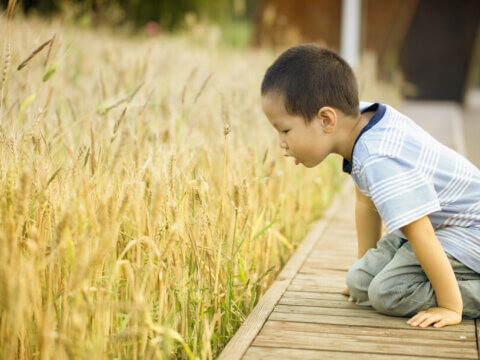
Time in nature offers many health benefits and can be a conduit for getting kids off screens and engaged in positive social interactions. Numerous studies, which you can find in the Children & Nature Network’s Benefits of Nature toolkit, demonstrate the physical and mental health benefits of being in and engaging with nature — especially for children. For example, a meta-analysis of engagement with green space and health outcomes demonstrated reduced stress and blood pressure, improved cognitive function (attention and executive function) and enhanced prefrontal cortex brain activity, which drives emotional regulation. Findings from another research review found that nature exposure supports positive social behaviors and social connections.
Youth outdoor programming supports nature connection
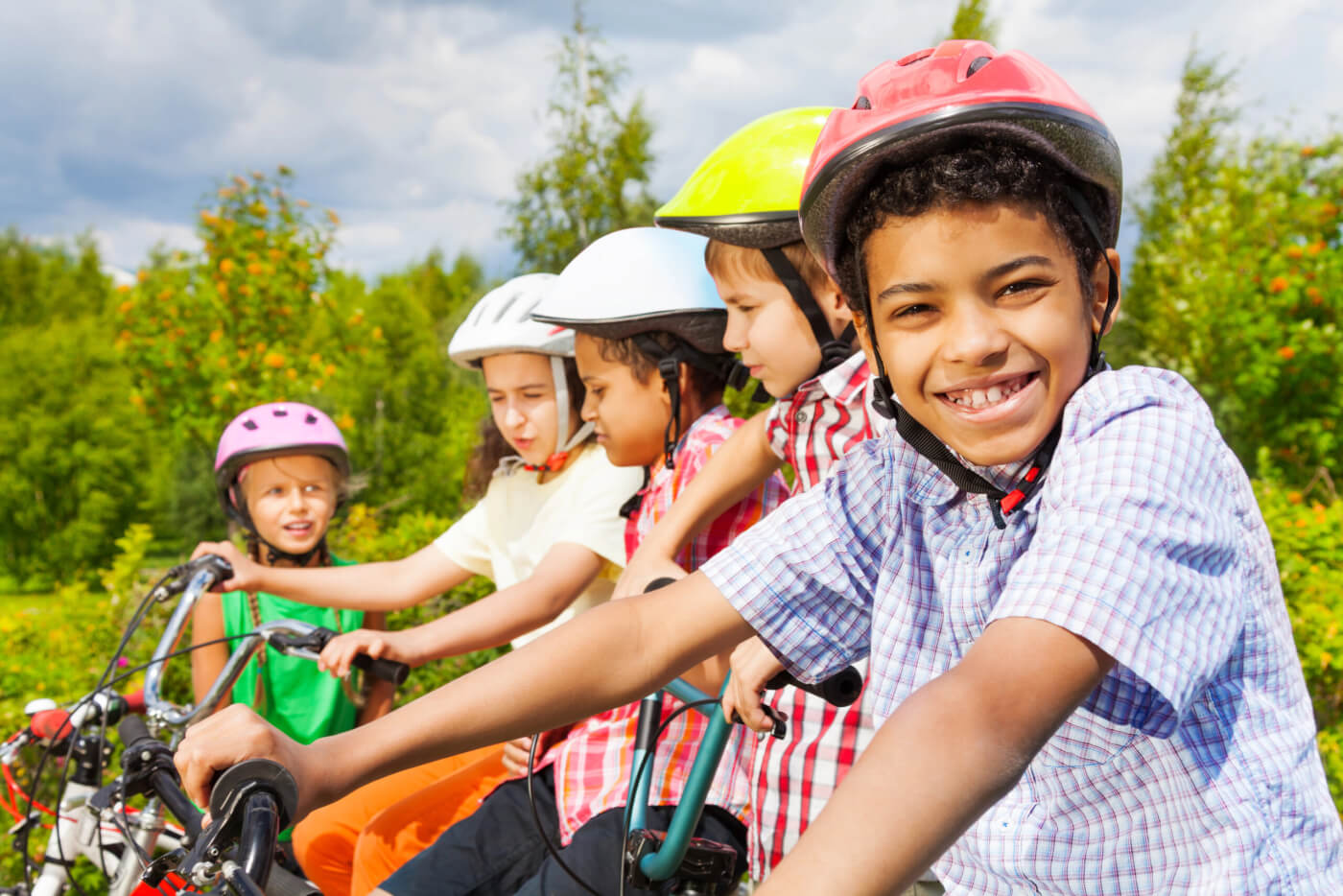
To access nature’s many benefits, children and youth need opportunities to safely engage in outdoor spaces such as city parks, green belts, gardens, state and national parks and more. Afterschool and summer programs are great ways to facilitate engagement with these spaces while fostering youth development and young people’s connection to nature. Quality, safe and effective programming can help youth learn to take risks, collaborate with others, learn about the natural world and find comfort in being outside. Some outdoor programs provide easy, everyday engagement in nature, while others provide week-long camping trips in areas that are hours away from a metropolitan area. These programs can also assist in supplying proper gear and outerwear to young people, reducing barriers to being comfortable in the outdoors.
There are already great examples of this type of programming across the U.S. In Detroit, Michigan, Detroit Outdoors works with the local YMCA Bold and Gold program to provide outdoor camps (including at Scout Hollow, Detroit’s only campground) and hikes for youth; outdoor engagement training for adult staff of youth development programs; and an outdoor gear library. Nature Niños New Mexico provides a range of outdoor opportunities for children ages 4-18 across New Mexico, including family hikes; an “Investigating the Outdoors” program; an early childhood program; summer day and overnight camps; and partnerships with schools. Additionally, Nature Niños provides professional development opportunities for other youth development providers interested in offering more nature-based programming.
Finding the funding for youth outdoor programming
Despite impressive and proven benefits, outdoor and nature-based programs need more funding to support new and existing efforts. Children’s Funding Project and the Afterschool Alliance, alongside other coalition partners, are hoping to turn social media’s harms into real-world benefits for youth. The coalition advocates that any large-dollar settlements from social media lawsuits should be directed to historically underfunded after-school and summer programs for young people, including nature-based options that help young people build skills, make friends and have safe outdoor experiences. With increased funding, more programs can offer more children the safe and healthy outlets they need for connection and recreation — away from screens.
The Children & Nature Network is proud to support this effort — and you can too. By joining the coalition as an individual or organization, you can stay up-to-date on the status of existing lawsuits, learn about related advocacy efforts, and share your perspective on the positive contributions of after-school and summer programs. Join the coalition today!
Join the coalition!, a partnership between Children’s Funding Project and Afterschool Alliance
Research Digest: Screen time and green time
Screen-Free Steps to Deepen your Connection to Nature during Quarantine, a Finding Nature News story
THE SIRENS OF TECHNOLOGY: Seven ways our gadgets drive us nuts, a Finding Nature News story by Richard Louv
More green. Less screen, a Finding Nature News story
Birds in My Neighborhood: Connecting kids to the joy of birding — and nature, a Finding Nature News story
The big benefits of outdoor credit recovery programs, a Finding Nature News story
BOUNDARY WATERS TRANSFORMATIONS: How time in nature can change the trajectory of students’ lives, a Finding Nature News story
THE MORE HIGH-TECH WE BECOME, THE MORE NATURE WE NEED, a Finding Nature News story by Richard Louv
-
Richard Louv
VITAMIN N FOR THE SOUL: How Nature Can Nourish the Spirit of Children and Adults
-
Network News
Prescribe Outside: Progress moves at the speed of trust in Philadelphia
-
Voices
Nature to screens: How our built environment set the stage for the anxious generation
-
Feature
We’re all looking for the same moon
-
Feature
Forest bathing: Educators need nature connections, too