
What we yearn for: An excerpt from “Nature & Spirituality During the Early Years” and a Q&A with author Ruth Wilson

Fostering a child’s connection to nature opens the door to wonder and awe — magical experiences that are all too rare in childhood today. In her new book, “Nature and Spirituality During the Early Years,” author and educator Ruth Wilson, Ph.D., examines why nurturing a child’s spiritual connection to the Earth is essential for the next generation’s healthy development — and for the planet.
With a background in classroom education and teacher training, and a deep understanding of the research on children and nature, Dr. Wilson brings a breadth of scientific knowledge and practical experience, as well as an instinctual connection to the “something more” that children find when they immerse themselves in the natural world. She honed and grew her extensive knowledge of literature related to the children and nature movement while serving as co-curator and writer for our Research Library, reading and summarizing more than 1,000 research studies over the course of almost a decade.
Below, we share an excerpt from her book in which Dr. Wilson examines the need to reclaim our biophilic bond with nature. Following the excerpt, Dr. Wilson sits down for an intimate Q&A to discuss her childhood on a farm, her 30-year career in education, and why adults should also slow down to savor the natural world.
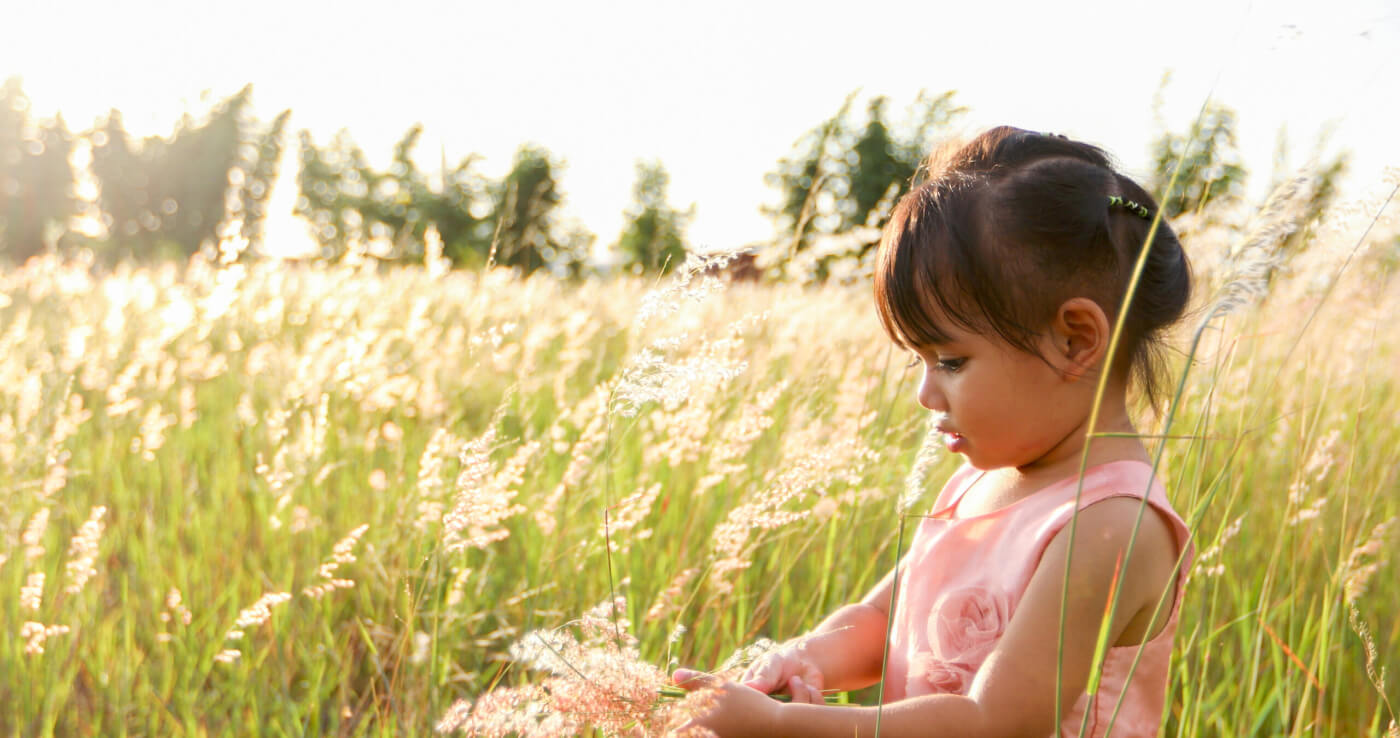
What we yearn for
For hundreds of years, biophilia has served us well. We lived close to and learned important lessons from the rest of the natural world. The experience of living close to the natural world, however, is diminishing rapidly.
Today, we live most of our lives in built versus natural environments. We look to science, engineering, and mass production to meet our basic needs and to feed our enormous appetite for dominion or control (Kellert 2012).
This shift comes with a cost. While we may think that our lives are improving and expanding, we may feel a sense of diminishment. We may be able to travel around the world in less than 24 hours, communicate with people across the globe in a matter of seconds, and eat food grown thousands of miles from our home and yet feel a sense of uneasiness about our grounding on planet Earth. Our spirits yearn for more than speed, comfort, convenience, and entertainment. We yearn for connectedness and purpose.
Nature is our natural habitat. Other living creatures — both plants and animals — thrive best in their native environments. Their natural habitats provide the support they need to function effectively in an interdependent web of existence. We, as humans, “will never be truly satisfied, or fulfilled if we live apart and alienated from the environment from which we evolved” (Kellert 2012, p. x). We need nature to nurture our senses, intellect, emotions, and spirit. This is true for individuals and for society.
Biophilia may be an inborn characteristic of humans, but for our biophilic tendencies to flourish, we need nature-rich experiences and the support of others. Nature is more than a resource or entertainment for humans; it’s a necessity for our physical, mental, and spiritual flourishing.
The gifts of nature are abundant, providing nourishment for every aspect of our beings. While we’ve become quite adept at accessing the physical and mental gifts of the natural world, we tend to be less appreciative of the spiritual gifts. For our own well-being and the well-being of the Earth, our spiritual connections with nature need to be recognized and supported. Ignoring biophilia — or allowing biophilia to diminish as a force in our lives – will not only chip away at the quality of our lives but also be detrimental to the well-being of the other-than-human elements of the Earth.
Perhaps what’s desperately needed at this time in human history is a transformation of consciousness. Eckhart Tolle in A New Earth (2005) speaks to this need. Tolle notes how “most people don’t inhabit a living reality, but a conceptualized one” (p. 37). He also describes how human consciousness is currently trapped in a state of dysfunction, based on ego-driven thoughts and desires. In our search for cleverness, he says, we tend to lose wisdom along the way.
Perhaps it’s time to acknowledge that wisdom is far deeper than thought and that the unnecessary frames (and constraints) we’ve placed around our thinking and feeling are interfering with a more joyful way of living. Perhaps it’s time to intentionally engage with nature through our senses and emotions — not just through our thoughts and economic endeavours.
From: “Nature and Spirituality During the Early Years,” 1st Edition by Ruth Wilson, © 2026 by Routledge. Reproduced by permission of Taylor & Francis Group.
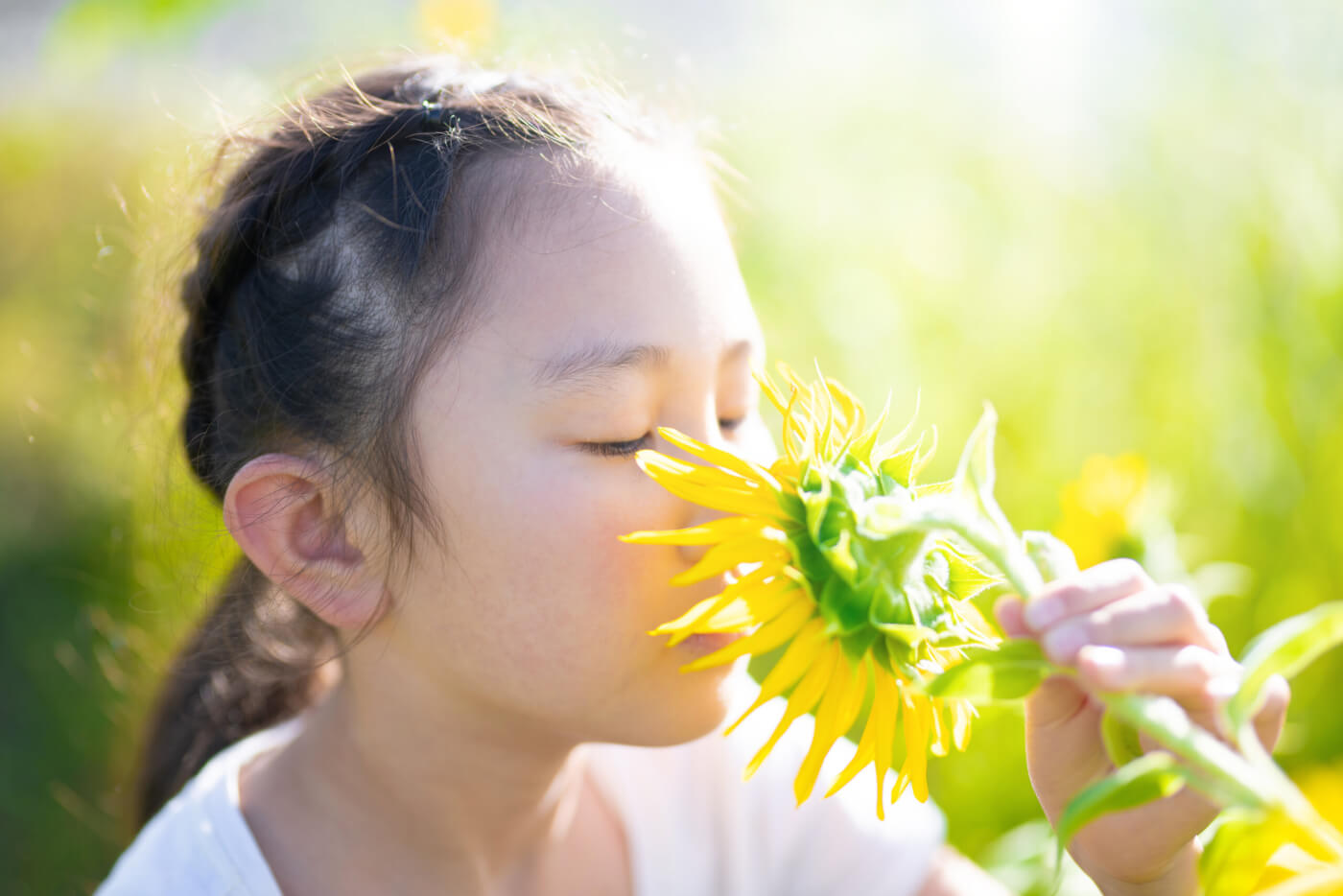
Q&A with Dr. Ruth Wilson
What drew you to the topic of nature and spirituality for children?
I see nature connectedness — especially the spiritual aspects of nature connectedness — as innate in young children, an integral part of who they are and critical to their holistic development. I believe this is true for all of us, but if not nourished during the early years, can be lost or greatly diminished over time. This is harmful to the human spirit, both at the individual level and the level of society.
What is your own personal history with the topic? What was your relationship to nature and spirituality as a child?
My understanding of the spiritual dimensions of nature connectedness have grown over time, but I know they are rooted in my own childhood experiences with the natural world.
I grew up on a farm where the rhythm of daily life was set more by nature than human-constructed schedules and appointments. I had daily exposure to the wonders of nature — I felt the heartbeat of a baby chick, witnessed tadpoles turning into frogs, ate tomatoes right off the vine, watched fireflies dance over the wheat field…
I knew where our food came from and realized our responsibility to work with the land.
The spiritual threads were always there: mystery, wonder, awe, the sense of being cared for — and the knowing that we have a responsibility to care, in return.
Did you personally experience the importance of this topic during your time working with children?
I spent over thirty years as a teacher and teacher educator, starting in 1965 as an elementary school teacher, ending in retiring from Bowling Green State University as a teacher educator in 1999.
There were many occasions when I witnessed the spiritual impacts of nature engagement on children and youth — from preschoolers through graduate school. I witnessed a a preschool child with special needs speaking in class for the first time after watching a chicken hatch from an egg; an often truant fifth-grader attending school regularly after being given the responsibility of watering the garden at school; and college students taking on the role of animals as they shared personal nature-related feelings and insights.
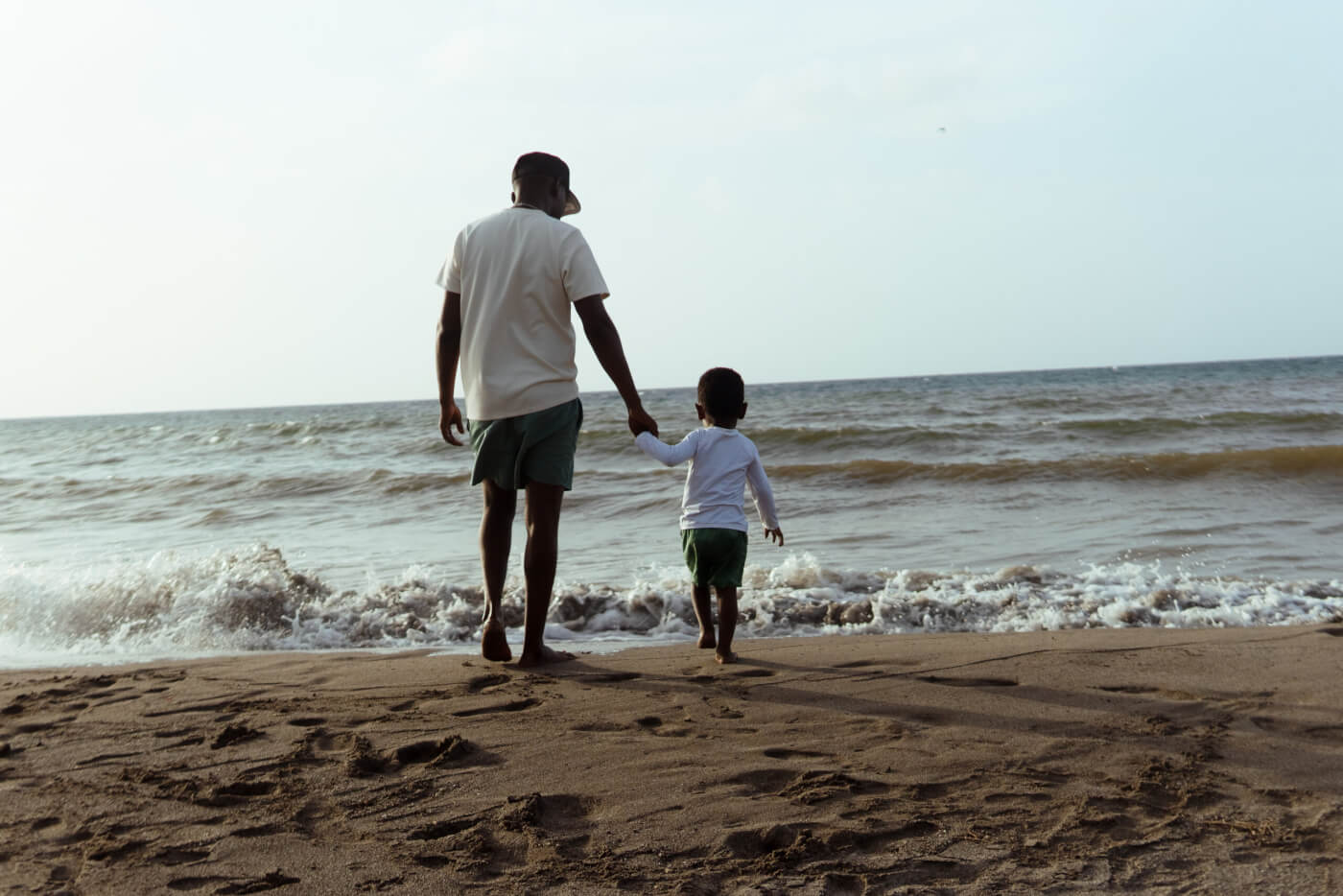
In your book, the essay “What we yearn for” (excerpted above) describes the importance of biophilia — the human affinity for nature. Can you tell us more about the relationship between biophilia and human spirituality?
I’ve always felt biophilia, but never had a word for it until I read about it in the literature. That was an “a-ha” moment for me. I knew then that my deep feelings for connectedness with the rest of the natural world were something we all share. I also understood how important nurturing this connectedness is for human thriving.
What has continued to grow and deepen over the years is my conviction that spirituality is an integral part of biophilia.
Where do you find nature in your life today? Where do you find spirituality in your life today?
There was a time when “going to nature” every day was a priority for me. This meant finding natural places where human impact wasn’t the dominant feature. I still spend time in such places and greatly value the many benefits I get from this type of engagement. But I also find nature in the air that I breathe and the water that I drink. Nature, to me, isn’t something “out there.” It’s my home, my life. I don’t see myself as separate from nature. I don’t have to “find it.” I just need to tune in to it.
Spirituality, like nature, is also in the air that I breathe. I “find it” — or tune in to it — when I take the time to watch the sunrise, water my plants, listen to a neighbor, read a poem, or walk the dog. I basically find both nature and spirituality in the corners and crevices of everyday life. I’m just more tuned in to this when I step out of human-dominant environments.
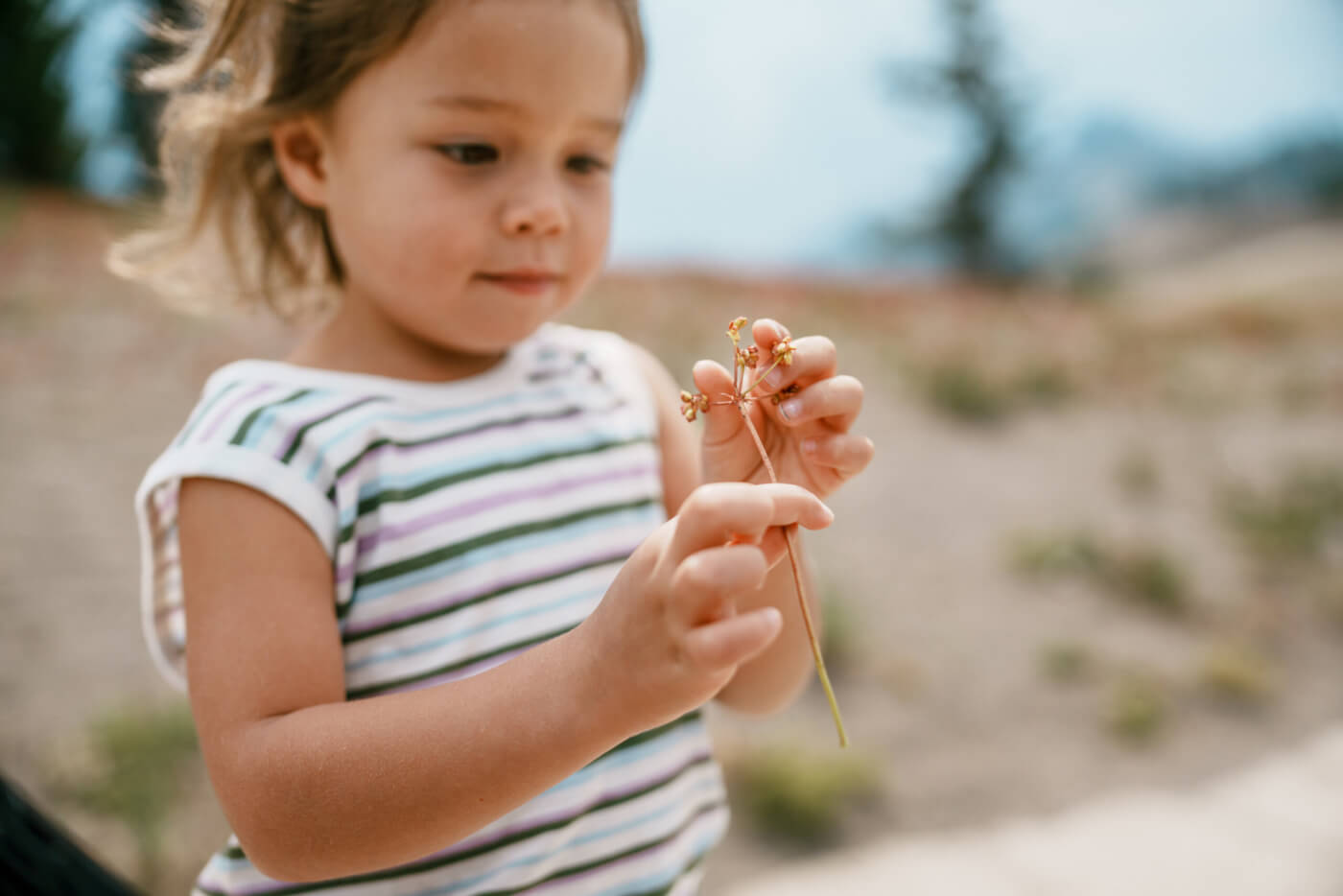
You’ve been a leader in the movement for decades. What might you tell others who advocate for children and nature? What would you tell someone who’s new to the idea about the importance of connecting children to nature?
I would tell other leaders that the greatest gift they can give to children is to help them realize that they are a part of nature. Helping children know that nature is there for them is important, but helping them realize that they are a part of such a wonderful, amazing world will have an even greater impact on their well-being and their life-long connections with themselves, each other, and the wider world of nature.
I would also tell them that the only way to nurture the “whole child” is to attend to all aspects of the child, including spiritual connections with nature.
Another practical tip: In connecting children with nature, direct positive experiences are so important. Children can’t just hear about nature, they need to experience it often and deeply. They need slow time, pondering time, and discovery time. That’s so much more important than heavily directed lessons about nature.
And, it’s also important for teachers and other adults who work with children to nurture their own connectedness to nature. Grown-ups also need the slow time, the pondering time, and the savoring time.
“Nature and Spirituality During the Early Years,” by Dr. Ruth Wilson, a guide for how and why to integrate nature connectedness and spiritual development into early childhood
Nature and Spirituality toolkit, a collection of stories and resources about the ways that nature and children’s spirituality are intertwined
“Beautiful people on a beautiful planet,” a story by Dr. Wilson on fostering the next generation of stewards
“Always a seeker,” a story in which Dr. Wilson offers reflections on her career
“‘Naturally Inclusive’ outdoor experiences for children of all abilities,” a story with excerpts from Dr. Wilson’s 2023 book
Connecting Children of All Abilities to Nature Play & Therapeutic Gardens, a toolkit developed by Ruth Wilson and Louise Chawla
See more of Ruth Wilson’s work in our Research Library, with extensive summaries of all the recent scientific literature about children and nature, co-curated by Wilson
Subscribe to the Research Digest for monthly emails containing the latest relevant scientific research about children and nature, or peruse the Research Digest Archive with all the past issues of Research Digest available for free online
-
RICHARD LOUV
Outdoors for All: Access to Nature is a Human Right
-
Feature
Waukegan, Illinois: Building a future where nature is for everyone
-
Feature
7 Ways communities can create lasting impact for children and nature
-
Feature
“Noticing” — An excerpt from Richard Louv’s new book, with a conversation between Louv and Ron Swaisgood
-
Voices
Returning to free play through a nature-based approach