
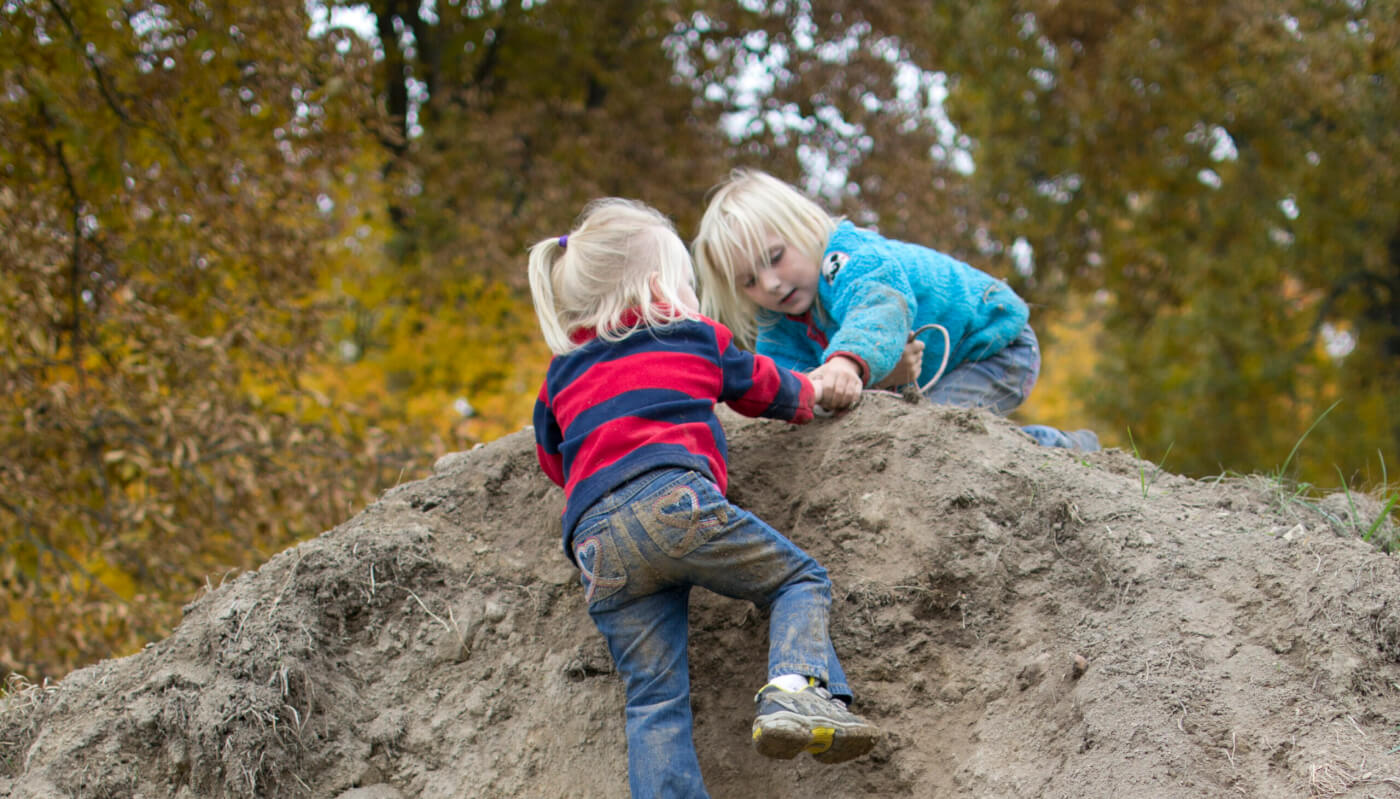
Mud, mess and microbes: Why kids need to play in the dirt

“Oh well, a little dirt is good for the stomach.”
When I was a child growing up in Sweden, this was the adults’ go-to phrase whenever they caught one of us shoving our mouths full of dirt or failing to wash our hands before dinner. If they worried about us getting sick, they didn’t show it. On the contrary, coming home with mud-caked hands and dirty feet after a day of playing outdoors was seen as a perfectly normal, even celebrated, part of childhood.
Years later, when I became a mother myself, I wanted to give my baby daughter that same freedom to explore outdoors. Simultaneously, I was a bit wary about potential toxins and pathogens in the soil. So, I set out to find out if there was any scientific support for my parents’ somewhat relaxed attitude toward mud and mess. As it turns out, whether they knew it or not, they were on to something.
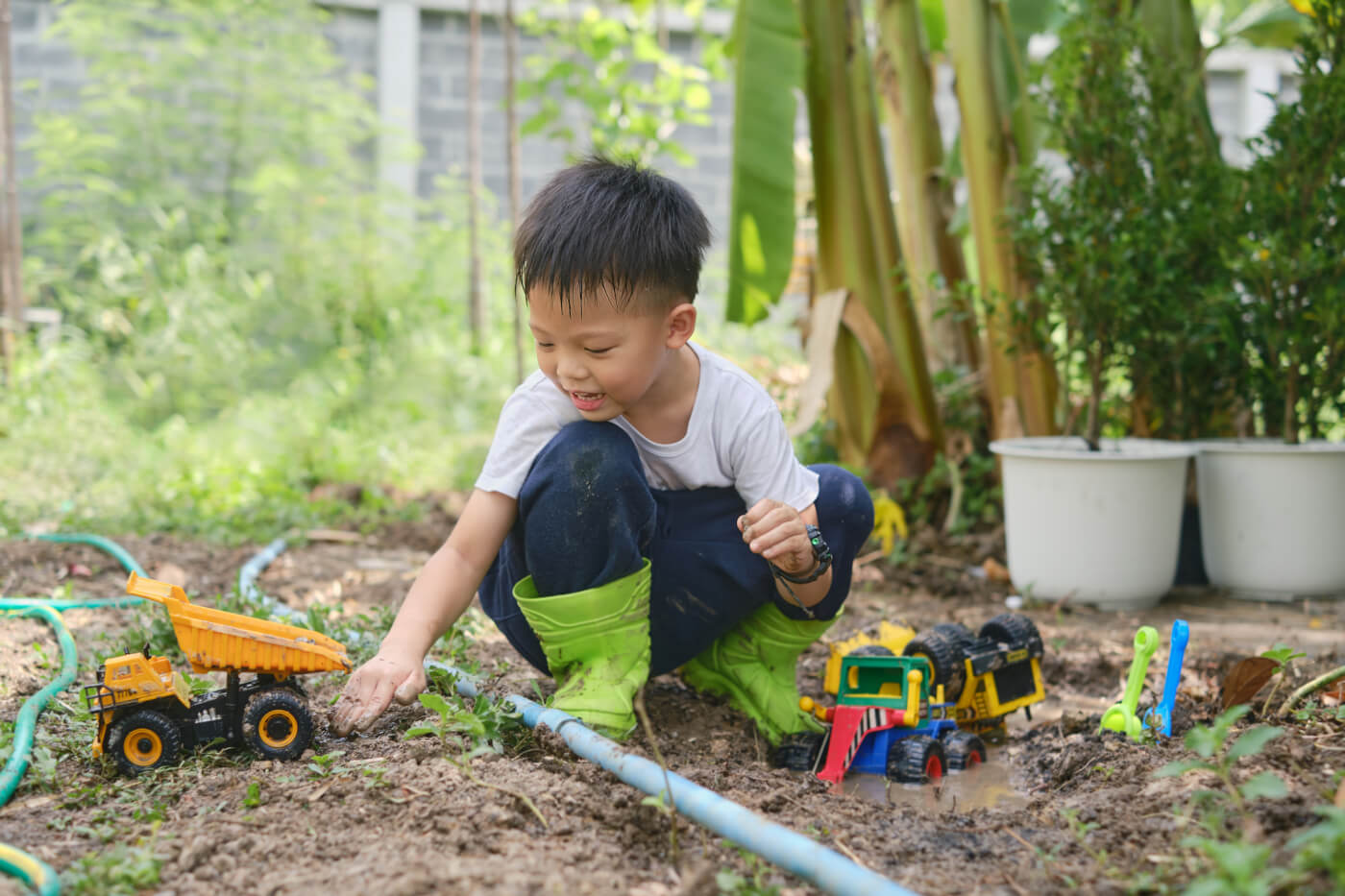
Playing in dirt helps build children’s immune system from the ground up.
Ever since scientists discovered that some microbes cause disease, we’ve been on a mission to eradicate them. To a large extent, that mission has been wildly successful. Modern sanitation, vaccines, antibiotics, pasteurization and common-sense hygiene practices have saved millions of lives. But somewhere along the way, the idea of the hyper-sanitized home and perfectly clean child took hold, and in the process, we threw the baby out with the bathwater. In our rush to eliminate harmful microbes, we also scrubbed away the beneficial ones.
Today, chronic autoimmune conditions like asthma, allergies and type 1 diabetes are on the rise, which researchers increasingly link to loss of diversity of microbes on and in our bodies. That’s because humans have co-evolved with microbes over millennia and we depend on them for healthy immune function. The earlier we are exposed, the better.
In their book “Let Them Eat Dirt,” Canadian microbiologists B. Brett Finlay and Marie-Claire Arrieta write:
“As we continue to study the microbiota of humans, it is becoming clear that our exposure to microbes is most important when we’re kids. At the same time, modern lifestyles have made childhood much cleaner than ever before in human history, and this is taking a huge toll on our microbiota — and our lifelong health.”
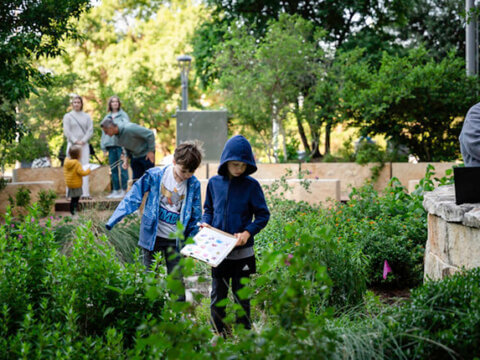
Science supports the idea that exposure to microbes can positively influence children’s immune systems. For example, studies have shown that children growing up on farms have a lower risk of developing asthma and allergies. In a study from the University of Helsinki, researchers transformed the yards of four daycares by covering them with forest floor vegetation. Within a month of playing in these biodiverse environments, the children showed significantly increased diversity in their skin and gut microbiota, along with improved immune system regulation. Meanwhile, children in daycare centers that kept their usual gravel and concrete yards saw no such changes.
In other words, playing in dirt is literally building children’s immune system from the ground up.
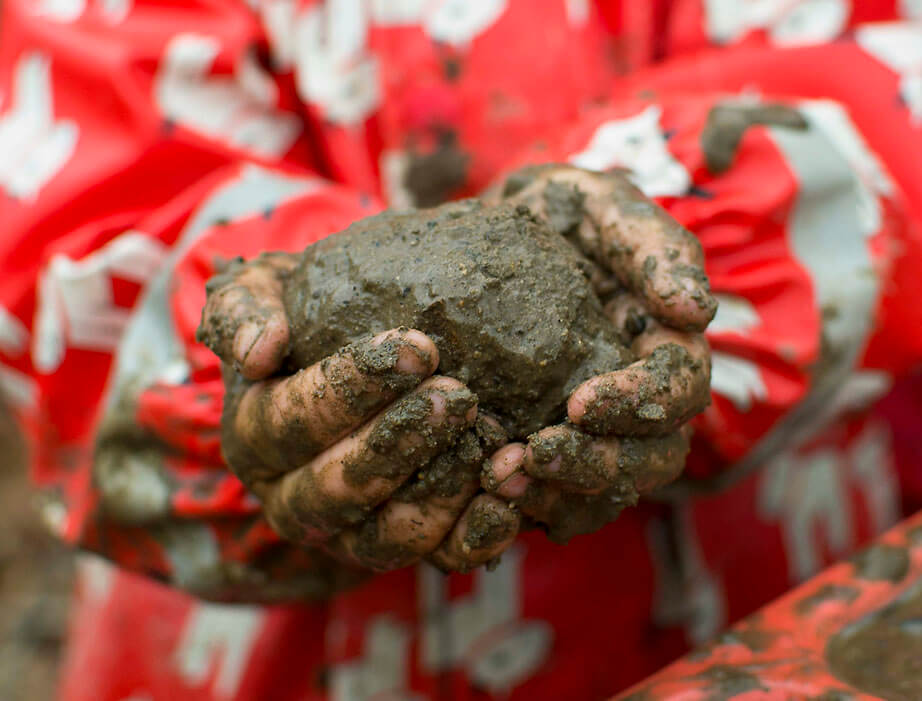
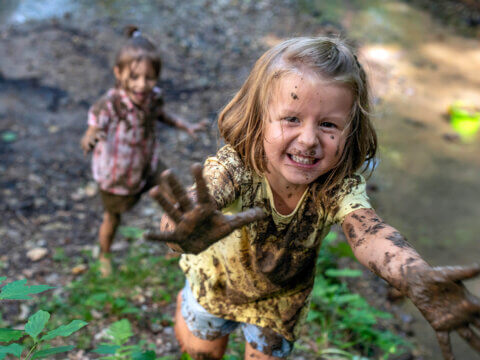
Playing with mud can be a way for children to diversify their microbiota, which in turn boosts their immune system. Photo by Linda Åkeson McGurk.
And it’s not just about the microbes. Messy outdoor play engages multiple senses, making it a boon for developing bodies and minds. The scent of damp earth, the feel of soil crumbling in your hands, the squelch of mud underfoot — these are rich sensory experiences that support neurological development and improve children’s ability to participate in everyday activities. Mud also invites creativity and open-ended play in a way that screens and structured games don’t.
But back to my initial question. Young children are notorious for putting everything in their mouths, so should we be worried about pathogens in the soil? It’s true that soil can be contaminated with harmful microbes or pollutants. In some places, especially in industrial or urban areas, contaminated soil can be a real concern, with a disproportionate effect on low-income communities and communities of color. However, the vast majority of soil microbes are harmless.
Actually, out of the millions of species of microbes on the planet, only a tiny fraction are known to cause disease in humans. According to Finlay and Arrieta, there’s no reason to panic if a little bit of mud makes its way into a child’s mouth. They even mention examples of farm kids eating animal feces without getting sick, though it’s not something they recommend.
Just like we buckle our kids into car seats for safety, we can take reasonable precautions when it comes to dirt exposure: avoid areas with known contamination, skip the sandbox covered with cat poop and teach kids a good hand washing routine.
I know it can be tough to silence the internal voice yelling, “Yuck! Don’t touch that!” or “Stay out of there! You’ll get dirty!” I’ve been there, as a recovering neat freak myself. And let’s be honest, no one likes being judged for letting their child roll in a mud puddle. But the research suggests that we’ve gone overboard with cleanliness and that if we’re going to raise healthy and resilient kids, we need to make peace with a little mess.
So, the next time your child comes home looking like they wrestled a compost heap, take a deep breath, smile and remember the wisdom of our parents’ generation: A little dirt really is good for the stomach.
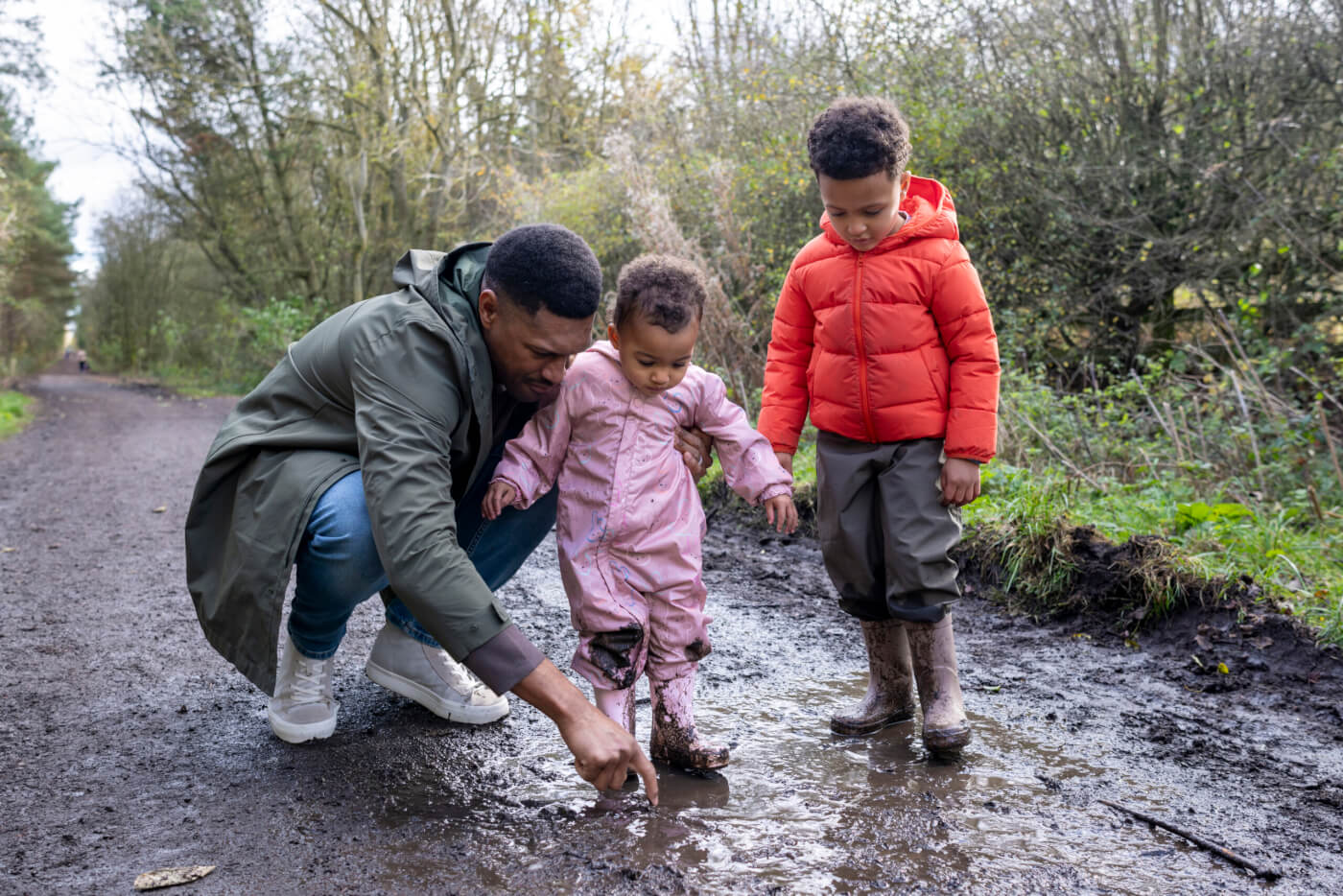
Research suggests that exposure to mud — and the microbes in it — may positively influence children's immune systems. Maybe a tromp through some puddles should be next on the family calendar!
Five ways to encourage mud play
- Dress for the mess. Keep a stash of play clothes that can handle mud, grass stains and the occasional berry smash. Splash pants, rubber boots and old, oversized T-shirts are your best friends.
- Create a mud zone. You don’t need a forest — just a corner of the backyard, community garden or even a planter box filled with soil. Add some buckets, spoons or recycled containers and let the culinary mud magic begin.
- Say “yes” more. When your child asks if they can splash in that puddle, dig a hole, or bury their feet in the garden, lean into that impulse. Clothes and children can both be washed.
- Normalize the dirt. Talk about the benefits with other parents and caregivers. By shifting the conversation from “ugh, mess” to “yes, microbes,” we can redefine what “healthy” looks like.
- Don’t stress over the clean-up. Washing hands after going to the bathroom and before eating is good policy, but there’s no need to give your child a bath every day or clean up immediately after playing outside.
How mud boosts your immune system, an article from BBC
MUD IS GOOD! Ten easy ways to connect your family to the joy of nature, a Finding Nature News story by Richard Louv
MUD! Kids love it and you can too, a Finding Nature News story
Roslund et al., 2020. Biodiversity intervention enhances immune regulation and health-associated commensal microbiota among daycare children
Puhakka et al, 2019. Greening of daycare yards with biodiverse materials affords well-being, play and environmental relationships
Nature Engagement during the Early Childhood Years, a bibliography
-
Richard Louv
VITAMIN N FOR THE SOUL: How Nature Can Nourish the Spirit of Children and Adults
-
Network News
Prescribe Outside: Progress moves at the speed of trust in Philadelphia
-
Voices
Nature to screens: How our built environment set the stage for the anxious generation
-
Feature
We’re all looking for the same moon
-
Feature
Forest bathing: Educators need nature connections, too